
The Adults Never Arrived
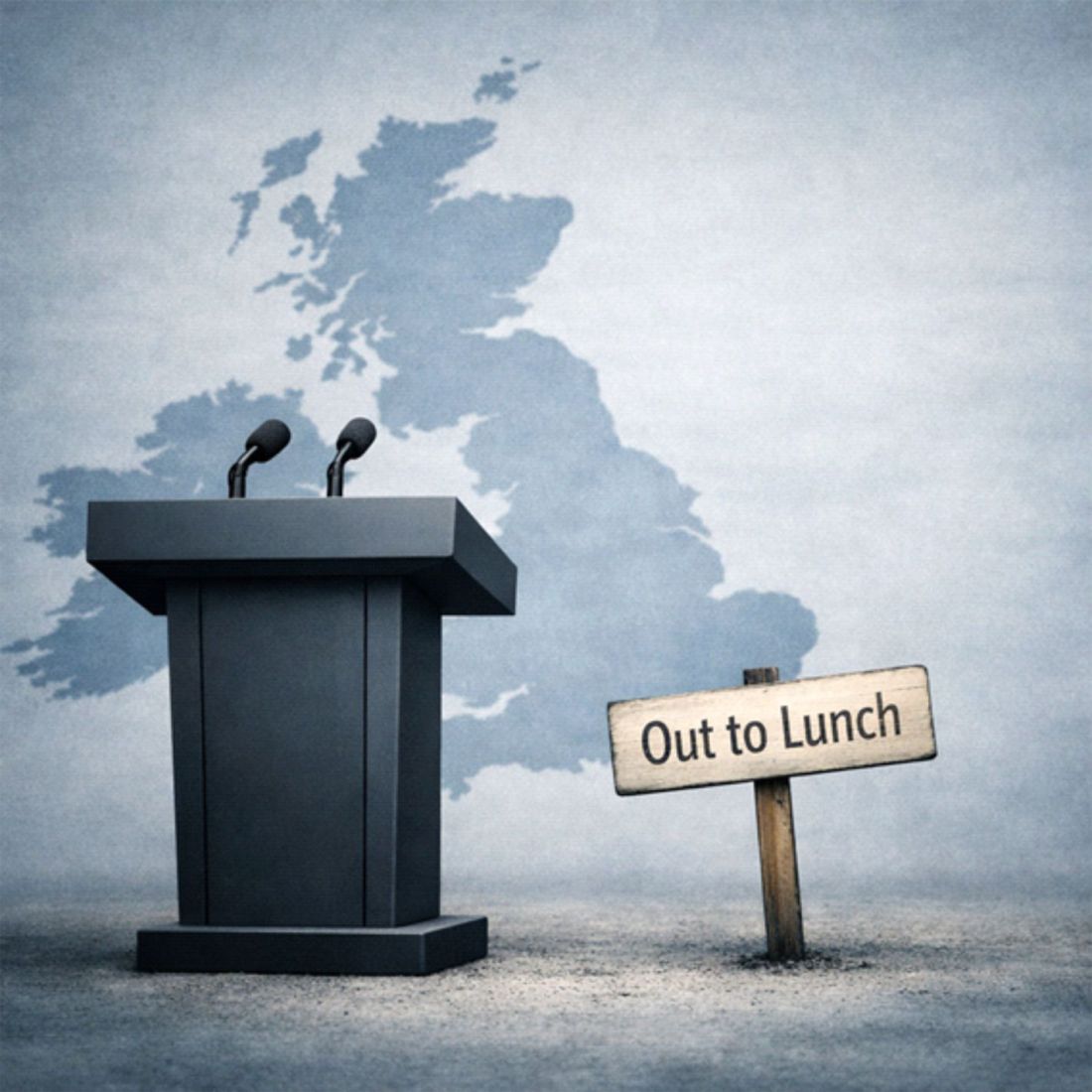
We are living through a moment when people are looking for leadership – and finding performance instead.
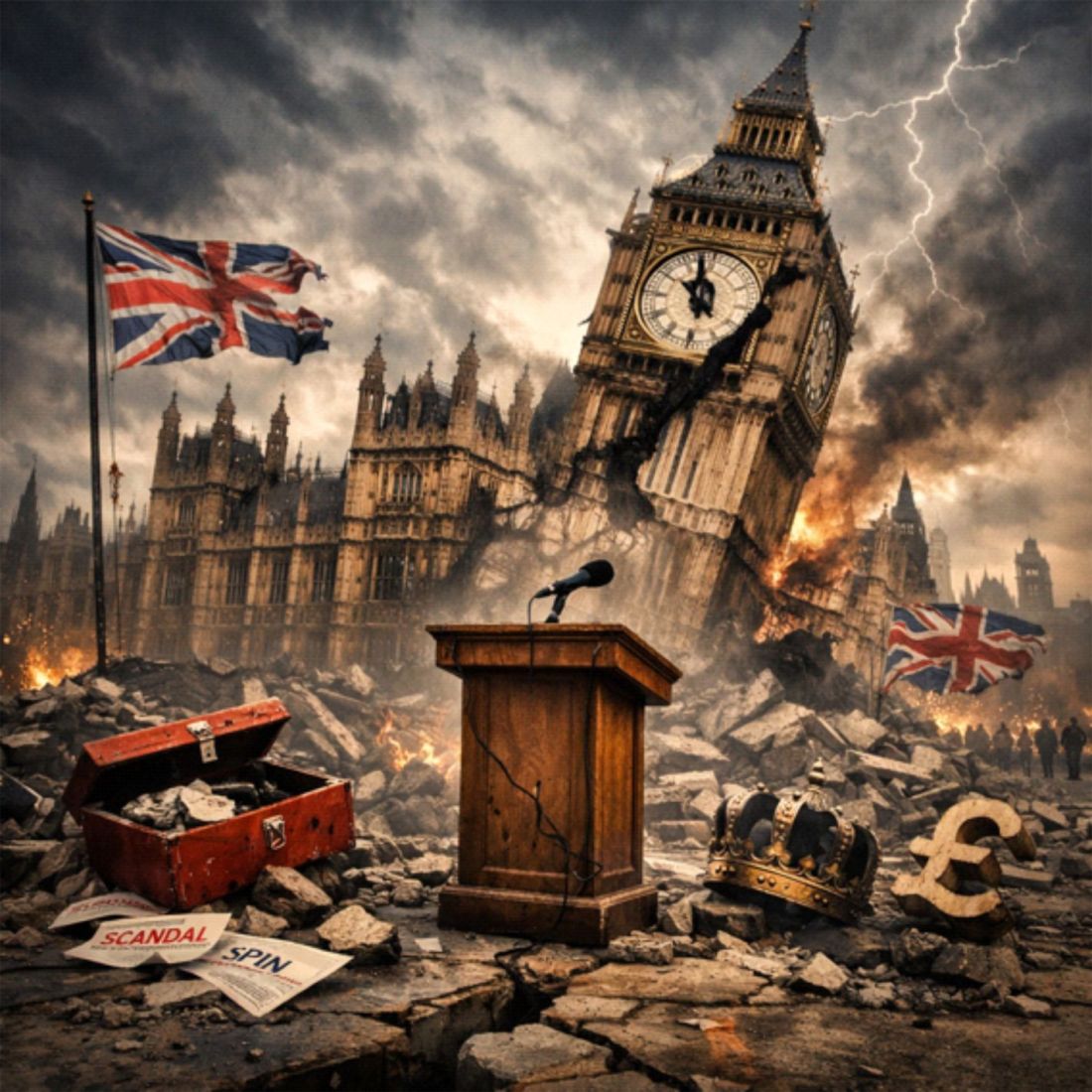
But in our moment – a moment of economic fragility, social fracture, and institutional decay – the adults never arrived.
What we have instead is a political class that knows how to look like it is governing, but increasingly struggles to govern with courage, honesty, or purpose.
As I wrote in The Way of Awakened Politics for Good Government (2022):
“People do not need perfect leaders. They need leaders who are real.”
Yet what we see today is not real leadership.
It is the performance of its absence.
1. Politics Is No Longer About Governing
Modern politics is no longer a vocation.
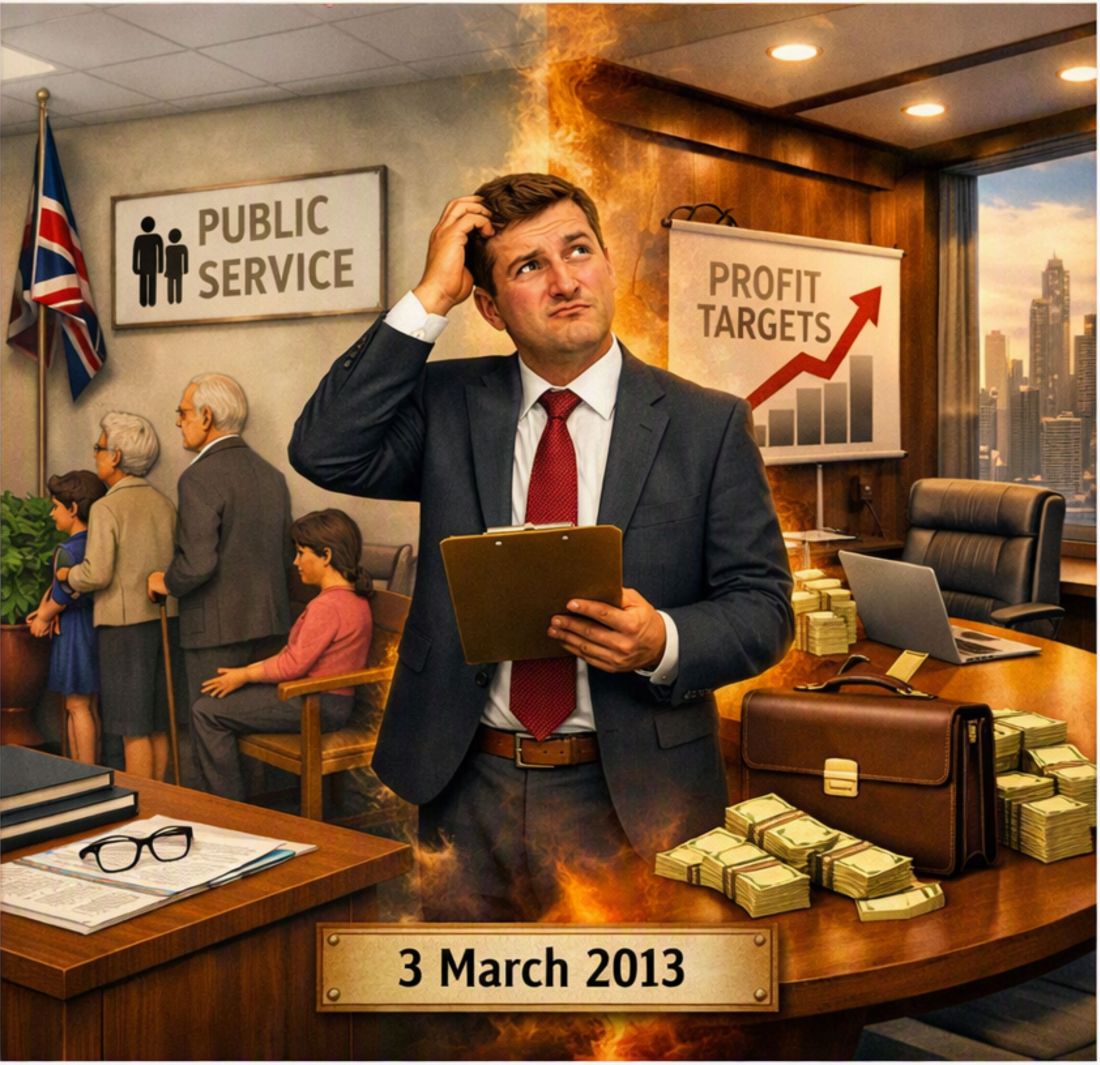
It is a career path, a branding exercise, and a survival game.
That does not mean every politician lacks integrity. Many enter public life for decent reasons. But they enter a machine whose incentives steadily pull them away from service and toward survival.
The incentives are brutally simple:
• Win the selection
• Win the seat
• Keep the seat
• Protect the party
• Protect the narrative
• Protect yourself
Everything else – policy, principle, public service – is secondary.
This is why scandal‑mining, character assassination, and narrative warfare dominate the political landscape.
They are not aberrations.
They are the natural output of a system where optics matter more than outcomes.
In How to Get Elected (2018), I wrote:
“If you are more focused on how politics looks than what politics does, you are already part of the problem.”
Today, that problem is the system itself.
2. This Did Not Happen Overnight
The dysfunction we see today did not appear suddenly.
It is the result of decades of structural drift – and it needs to be understood honestly.
By “the system”, I do not simply mean Parliament, parties, elections, advisers, donors, media cycles, and polling operations. Those are the visible mechanics of politics. They matter, but they are only one layer.
The political system is itself a system within a wider system: a money-centric, extractive order that has captured almost every institution it touches. It is a philosophy of life that places money before people, extraction before care, growth before wellbeing, and measurable value before human value.
That wider system now shapes how politics behaves, how the media frames truth, how public services are funded, how work is organised, how communities are treated, and how success itself is defined.
Nothing functions effectively for long when it is built on a broken philosophy.
Politics has not escaped this logic. It has absorbed it.
Politics became:
• Market‑constrained
• Donor‑dependent
• Media‑shaped
• Poll‑driven
• Risk‑averse
• Narrative‑obsessed
Parties became machines for winning, not governing.
Policy became a branding exercise.
Leadership became a performance.
And morality – the quiet compass that once guided public life – was replaced by legality.
As I wrote in Legality Has Replaced Morality (2026):
“We have built a world where the question is no longer ‘Is this right?’ but ‘Can we get away with it?’”
This shift hollowed out the space where leadership once lived.
3. Weak Leaders Create Weaker Successors
One of the most corrosive dynamics in modern politics is the generational weakening of leadership.
Strong leaders can tolerate strong people around them.
Weak leaders cannot.
So they surround themselves with:
• Loyalists
• Message‑disciples
• Careerists
• People who won’t challenge them
• People who won’t outshine them
And because parties reward those who “don’t rock the boat,” the next generation is even weaker.
This is how leadership quality decays over time – not because talent disappears, but because the system filters it out.
We end up with leaders who are managers, and managers who are performers.
4. The System Gives Leaders No Room to Lead – Only Room to Perform
Even the most capable, well‑intentioned politician enters a system that:
• Punishes honesty
• Discourages truth‑telling
• Rewards deflection
• Measures success in headlines
• Treats policy as messaging
• Forces loyalty to the party over loyalty to the public
So they become performers in a theatre they cannot escape.
This is the tragedy:
The system rarely rewards leaders for leading. It rewards them for looking safe, sounding disciplined, and avoiding the truth long enough to survive.
In The Way of Awakened Politics for Good Government (2022), I wrote:
“Real leadership begins where self‑interest ends.”
But in modern politics, self‑interest is the only safe place to stand.
Real leadership would look less like message discipline and more like truth-telling – even when it costs.
5. Scandal Politics Fills the Vacuum Left by the Absence of Real Leadership
When a political system cannot solve real problems, it shifts to the only arena where it can act: narrative warfare.
This is why we see:
• Personal attacks
• Dredging up old stories
• Targeting families
• Manufactured outrage
• Culture‑war distractions
These behaviours are not moral failings.
They are structural inevitabilities.
When the system cannot deliver solutions, it delivers stories.
When it cannot offer leadership, it offers theatre.
When it cannot inspire trust, it manufactures fear.
Scandal becomes the currency of a system that has run out of truth.
When public services strain, housing becomes unaffordable, or communities are left to carry the cost of decisions made elsewhere, the political response is too often not structural reform. It is a change of story, a new slogan, a symbolic fight, or another managed outrage.
6. The Public Sees the Performance – and Withdraws
People are not disengaged.
They are disillusioned.
They see:
• The avoidance of real issues
• The obsession with optics
• The lack of courage
• The absence of vision
• The endless recycling of political theatre
This is why trust collapses.
This is why turnout falls.
This is why populism rises.
This is why “None of the Above” becomes a meaningful political identity.
In Officially None of the Above (2023), I wrote:
“People are not rejecting democracy. They are rejecting the people who have hijacked it.”
The public is not apathetic.
They are waiting for adults who never arrive.
7. We Are Watching a Structural Tragedy
Politics today is not a comedy of errors.
It is a tragedy of constraints.
The actors are not villains.
They are trapped.
The system is not malfunctioning.
It is functioning as the wider extractive order requires it to function: to preserve itself, protect its interests, and keep people arguing about symptoms while the underlying philosophy remains untouched.
And until the system changes, the behaviour cannot.
Closing: The Curtain Will Fall – The Question Is What Comes After
Every political system reaches a moment when the performance can no longer continue.
When the gap between what politics pretends to be and what politics is becomes too wide to ignore.
When the public stops applauding and starts demanding something real.
We are living in that moment now.
The tragedy is not that our leaders are inadequate.
It is that the system has made adequacy impossible.
But systems are not permanent.
They are choices repeated until they feel inevitable.
And as I wrote in The Way of Awakened Politics for Good Government (2022):
“The moment we stop accepting the world as it is, we begin to create the world as it should be.”
The curtain will fall on this performance.
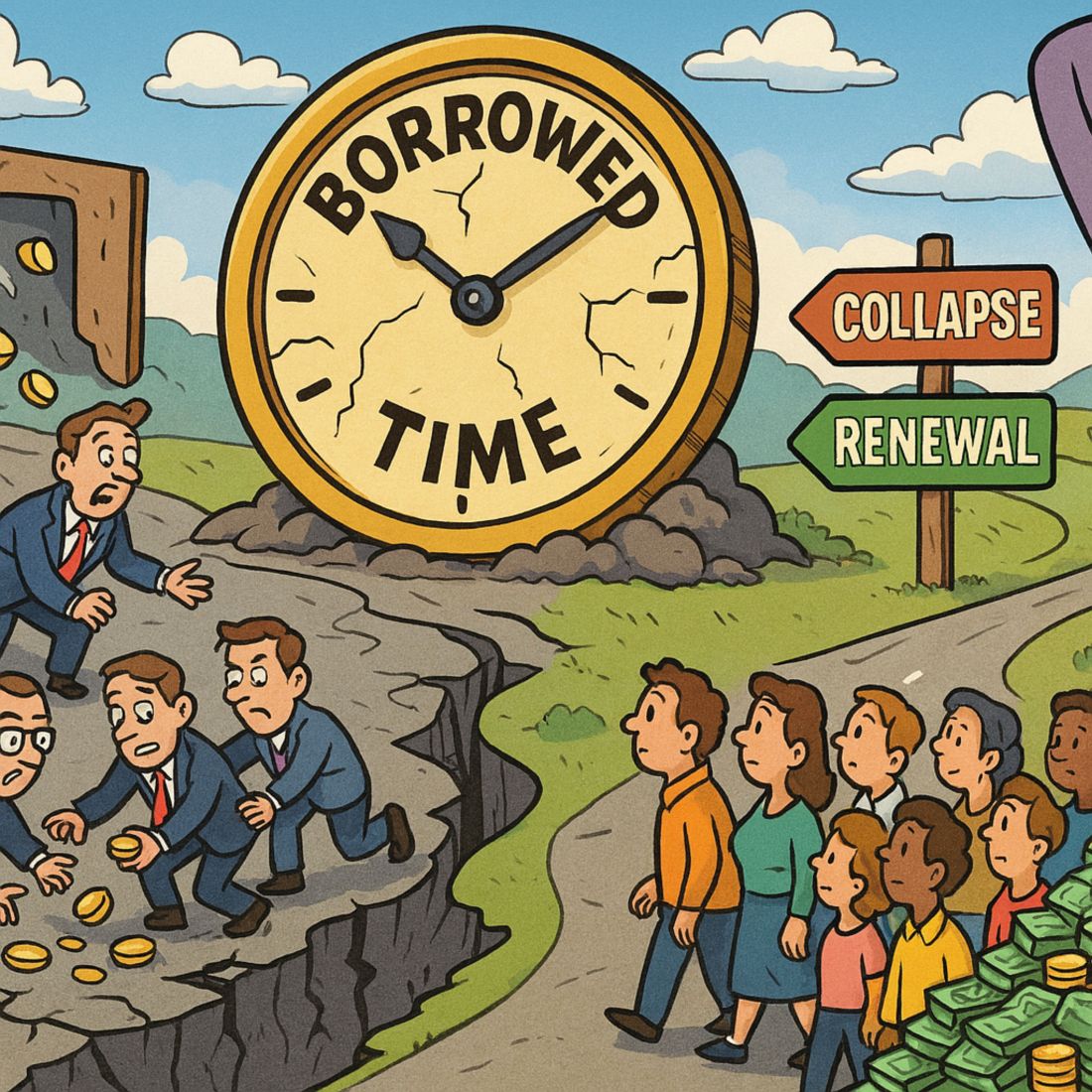
The only question is whether we will demand real leadership – and a system built around people rather than money – or continue rewarding the performance in its place.