
Qualified academically or not, we are all capable of greatness or of being complete and utter fools
As humans, we love difference. We love it so much that we use it as a way to qualify other people by colour, gender, sexual orientation, financial and material wealth, social background, taste, appearance and in many other ways too.
Many of the benchmarks we carry within our own personal make‑up, as we attribute value to others, are unconscious or, to the world outside us, completely hidden.
The fact that we make these judgements behind closed doors means that no matter how hard do‑gooders attempt to legislate or control our behaviour, controlling other people’s thinking at a personal or private level is a battle that even the most politically correct amongst us will never win.
The obsession with qualifying others
We have become obsessed with legitimising our qualification of others when it suits us. Society provides markers intended to help, yet we use them to create differences that stand far outside their original purpose.
For a long time, academic qualification has increasingly been used as the preferred way to distinguish ability, attitude, application, intelligence and countless other traits. To the audience, these markers become a convenient way to judge whether someone is “qualified” or not.
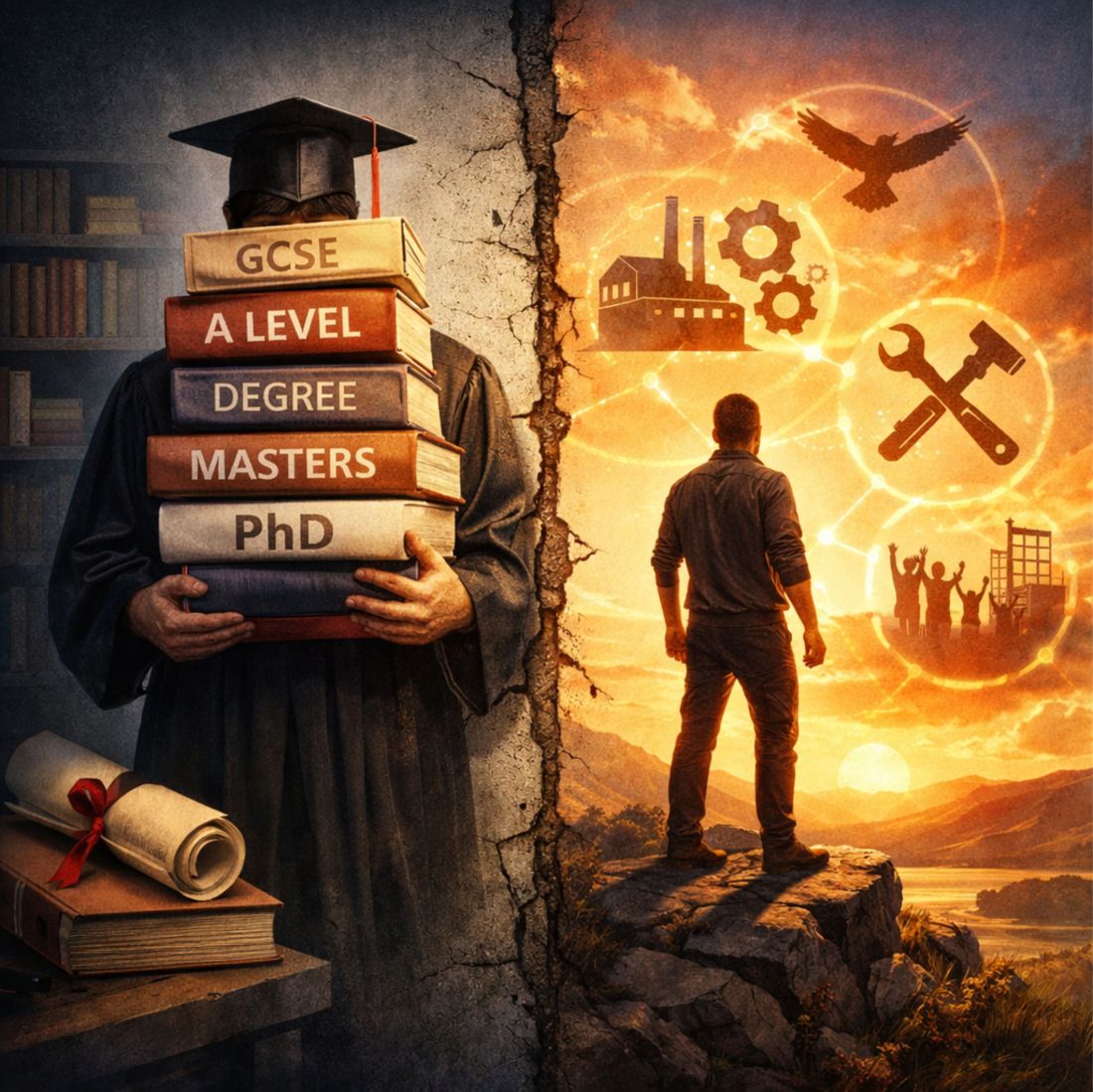
By bypassing the cold, hard reality that academic qualifications – whether GCSEs, A Levels, Degrees, Masters or PhDs – are simply benchmarks created in someone’s (usually an academic’s) thoughts, the elephants of our society have fallen head over heels into the trap of believing that academic standards portray the genuine quality or value of every individual. They do not.
Angela Rayner and the cruelty of perception
Yesterday, we witnessed these maleficent social anchors at their worst, when Shadow Education Secretary Angela Rayner was ridiculed for having what are considered to be four very poor GCSEs and, academically speaking, no more.
Whilst Labour and their principal spokesperson for Education demonstrate little credibility in terms of the policies they have been putting forward with an eye on the upcoming General Election at their Party Conference this week, there are few of us outside Westminster who could list on one hand the number of politicians from any Party who we could hand‑on‑heart consider credible in fulfilling their roles properly and representing the people well.
Perception is everything – particularly when it comes to the influences on our thinking and lives played out on social media and TV.
Just because an MP or politician looks good on camera, comes across as confident, sounds competent or can boast an academic CV that includes Eton, Oxford or wherever it may be, the reality may be – and in many cases is – that they are not “qualified” by being any such thing.
The lost value of real‑world experience
We have learned, and increasingly been conditioned against, the value of life experience and the practical understanding of people, business, community, and the views that time in the real world brings.
We have reached a stage where we look for things that make high‑profile people stand out for all the wrong reasons, mistakenly thinking those reasons are right.
There is rich irony in the fact that it was the Labour Government of 1997–2010 that pushed qualification bias to its extreme by suggesting that everyone should have a degree.
This malignant and ill‑conceived step has contributed to the biggest shift in perception about what qualifies a person. It has pushed us further away from regarding each individual as equal and the same.
The consequences of commercialised Higher Education
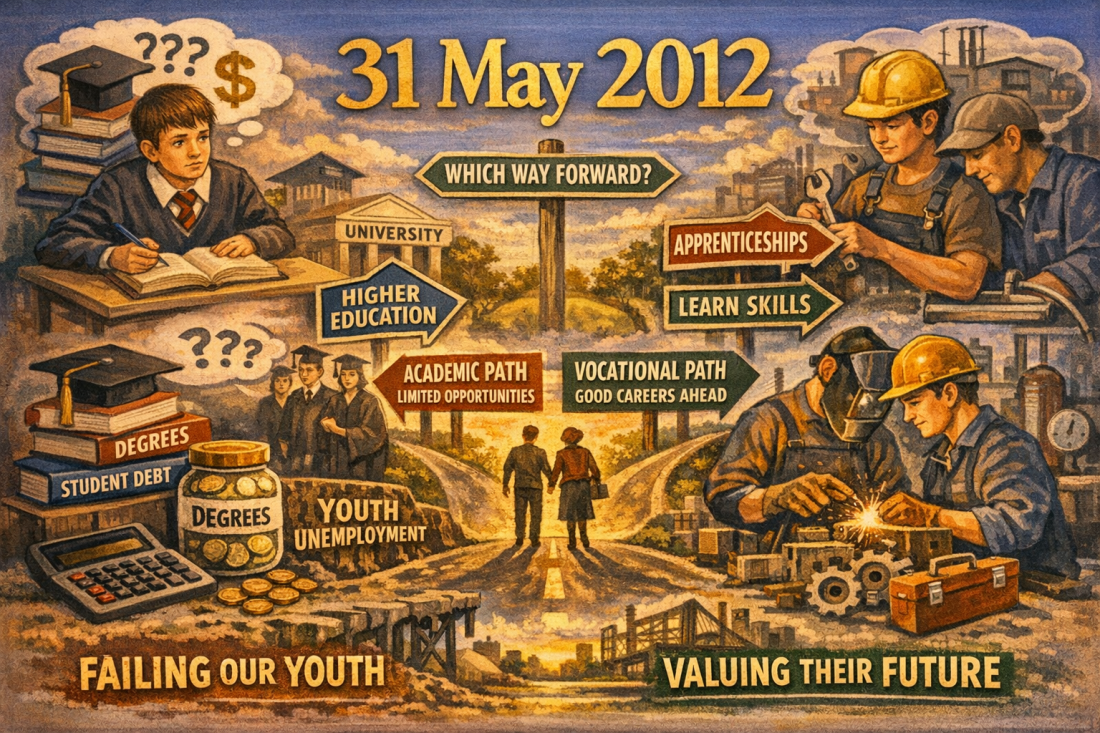
The meddling of Angela Rayner’s political predecessors bears much responsibility for the commercialisation of Higher Education. The rancid truth is that many young people have been condemned to financial servitude by a past Labour Government, encouraged to take degrees that nobody in industry values.
Others are being left behind simply because they are excluded by a system that frowns upon anyone not academically inclined, or because they know that a lifetime of debt is not something they can realistically afford.
Education, in its real sense, is only partially academic. No matter how any person is educated, they are equally capable of greatness or of behaving like fools. The suggestion that people are only capable of anything great if they have good academic qualifications is fundamentally flawed.
A better way forward
When we finally have a Government led by politicians who are responsible and not so easily led, the hard decisions over how we educate and support our young people will be addressed properly.
The focus will return to the basic reality that as teenagers, we are pretty much all either “heads” or “hands”. Once we value the fact that not everyone in their early teens is ready or able to spend another seven years in books, we can get back to providing real parallel educational – not academic – pathways.
Developed properly with business, and with the opportunities that Leaving the EU will give us, rewarding lives for people – whatever their background or birth – will, for many more of them, be fully assured.