

Although initially overlooked after I first introduced it in my book Levelling Level, published on Amazon on 31 March 2022, the Basic Living Standard (BLS) has increasingly attracted interest from readers and visitors to my blog.
However, I have noticed that when people search for BLS using AI, a whole chain of stories and information—often including quotes attributed to me—has emerged, much of which is either out of context or entirely fabricated.
This is concerning, especially when those outside the mainstream are trying to share solutions and perspectives that challenge the compliance and blindness of today’s system.
We must recognise that the so-called AI takeover is being built on delivery levels that, in many cases, are no better than the efforts of a lazy teenager responding to an encouraging parent. And the outright creation of false information and narratives—even regarding work from independent voices—is troubling.
Given that AI now tells those seeking a quick overview that the Basic Living Standard is a way to fix our broken economic system, I feel it is time to clarify: while I believe BLS is a pivotal solution, it cannot and will not work within the current economic paradigm.
The integral priority of BLS is to put people, not money, first.
The Basic Living Standard: Not Intended for the Current Economic System
I have never created or published financial models or projections to ‘cost’ or predict the impact of BLS on the current economy or financial system, because the two are mutually exclusive.
BLS was not designed to be part of, or to work within, the existing paradigm, which makes it impossible to do so.
Decision-makers, legislators, and their influencers will not openly admit that our system is structured against equity and equality.
It is only because the system works progressively against these values that the disproportionate levels of wealth and benefits enjoyed by those in power can exist as they do.
Paying Lip Service to Parity
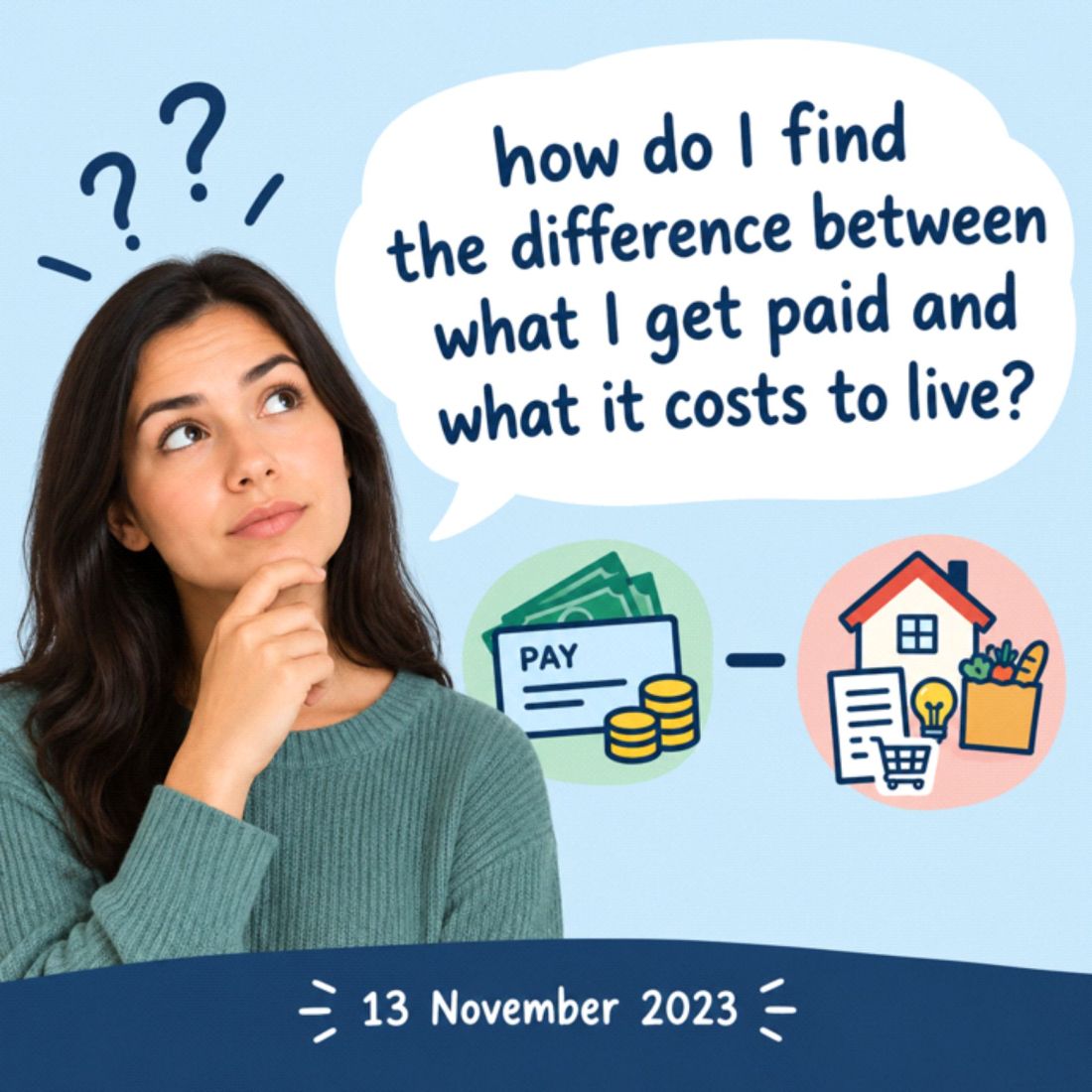
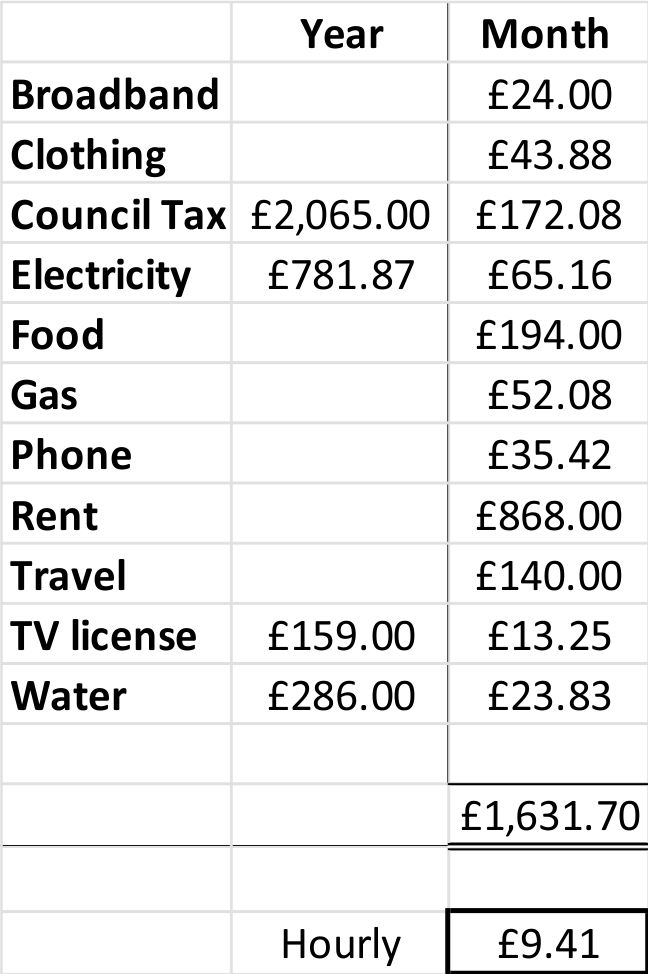
While the National Minimum Wage should be the benchmark or minimum earnings floor necessary for financial independence, the reality is that no person can be financially independent or live free of benefits, charity, or debt on this wage when working a typical 40-hour full-time week.
The current economic and financial system survives because the National Minimum Wage does not reflect the genuine cost of living for the lowest paid, who must then be subsidised by government benefits, seek help from charities such as food banks, or go into debt to meet the growing cost of living.
The FIAT, Neoliberal, Global-Driven Money System: The Perfect Crime?
A hard truth about our broken and collapsing system is that its design centres on wealth transfer and impoverishment, relying on the ongoing creation and addition of new money to the economy.
Currency debasement devalues the worth and ownership of the masses, while creating additional wealth for the elites and enabling them to secure property, public infrastructure, and ownership of everything devalued by their actions.
System Collapse and the Choice We Must Make
The finite lifetime of what may one day be considered one of the greatest ongoing crimes against humanity is fast approaching its end.
How the masses respond to financial and systemic collapse will dictate whether the Basic Living Standard, or a similar benchmark, forms the basis of a new people-centric economic and governance system.
This new system would put people back at the heart of everything, rather than the money-centric focus we have now.
The current system is collapsing because it is fundamentally corrupt and wrong.
Introducing a system like BLS within the current system—even under the name National Minimum Wage—could not achieve its true purpose, because implementing it honestly would speed up, if not immediately collapse the current money-centric system – and that’s why nobody in power today who benefits from this system will ever agree or willingly help for it to be done.
Embracing the Shift: Making Life About People, Not Money
If we accept and adopt an economy and governance system cantered on People, Community, and Environment, we will naturally move away from financial modelling, projections, profit margins, and all the tools that reinforce money as the only important value in life.
The Basic Living Standard provides a clear focus for the paradigm shift from money-centric beliefs to what everyone needs—not wants—and establishes the basic standard for independent living without dependency.
However, BLS is not a policy that can work in isolation or as an add-on to the current system. It is a fundamental building block of the universal change we must choose and embrace, because we cannot fix what cannot be fixed.
The Basic Living Standard: The Basis of a New Way of Living
By restarting, reestablishing, regenerating, reforming, and replacing our economic and governance systems, the Basic Living Standard becomes the benchmark for guaranteeing that the lowest paid can sustain themselves and be financially independent in return for a standard working week.
It requires all businesses, organisations, and systems within a new framework of economy and governance to realign with ensuring that every person experiences this minimum standard as the foundation of society, business, and culture.
Improving lives today really should be as simple as creating a Minimum Wage and changing everything for those who need help in one day. But changing perceptions is not the same as changing the way everyone thinks.
That is why the introduction of a system that genuinely works for everyone cannot be openly embraced before the pain of collapse and the reality it brings.
Everything we know today exists because of a system built around money as a value set—a flawed belief system we have all been conditioned to accept.
Only when this system fails and excludes people, step by step, do those affected awaken to the reality that something is fundamentally wrong.
Yet those excluded are often viewed by those still inside the system as the ones who are guilty and wrong.
Out of Our Problems, an Opportunity Awaits
The collapse offers a moment when the balance can flip, and those who have been excluded may reach a critical mass that signals to everyone participating in the money game that a better, equitable way exists.
However, ordinary people must see, understand, and accept this en masse.
Whatever happens next will lead to wholesale change—whether we choose it or simply go along with it.
Only by being aware and honest about what we need, rather than what we want, can we take the leap of faith necessary to change everything and contribute to the creation of a new system where people, community, and environment come first.
The Basic Living Standard offers a benchmark for the frameworks and opportunities of a new way of living. Yet, it will remain unknown and inaccessible to those unwilling to step away from the comfort of an unsustainable relationship with the past.
Money, democracy, ownership, business priorities, and practices are just the tip of the iceberg when it comes to the breadth and depth of necessary change.
Everyone must own and be part of the transformation ahead, because the change is about the needs of everyone, not just the wants of a privileged few.
There’s More…
In the coming days, and hopefully as soon as this week, my next book will be published, building on all I have been writing and sharing for over three and a half years.
Evolving directly from Our Local Future, first published in summer 2024, this latest work brings more detail and focus to the mechanics of implementing a new system for economy and governance, while simplifying previous concepts to make them more accessible and relatable.
The Basic Living Standard lies at its heart, and I am confident that we can flip everything to work for People, Community, and Economy, once we see the benefits and share the determination to implement a system and new code for life that truly works with equity and equality for all.