
Introduction
Most people sense that something is wrong with the world, but they don’t feel it in their daily lives. Their routines still work. Their seasons still arrive. Their shops are still stocked. Their homes still feel safe. Life looks normal enough that the warnings seem distant, exaggerated, or meant for someone else.
This book exists because that gap – between what you see and what is actually happening – has become too wide to ignore.
You live inside a bubble. Everyone does. It’s not a flaw. It’s not a failure. It’s simply the shape of modern life. Your bubble protects you from discomfort, but it also hides the strain the Earth body is carrying. And when you can’t see the strain, it becomes easy to believe it isn’t there.
But it is.
Not everywhere. Not all at once. Not in ways designed to frighten you. But in ways that matter – deeply, quietly, steadily.
This book is not a warning. It is not a lecture. It is not a demand for sacrifice or perfection.
It is a return.
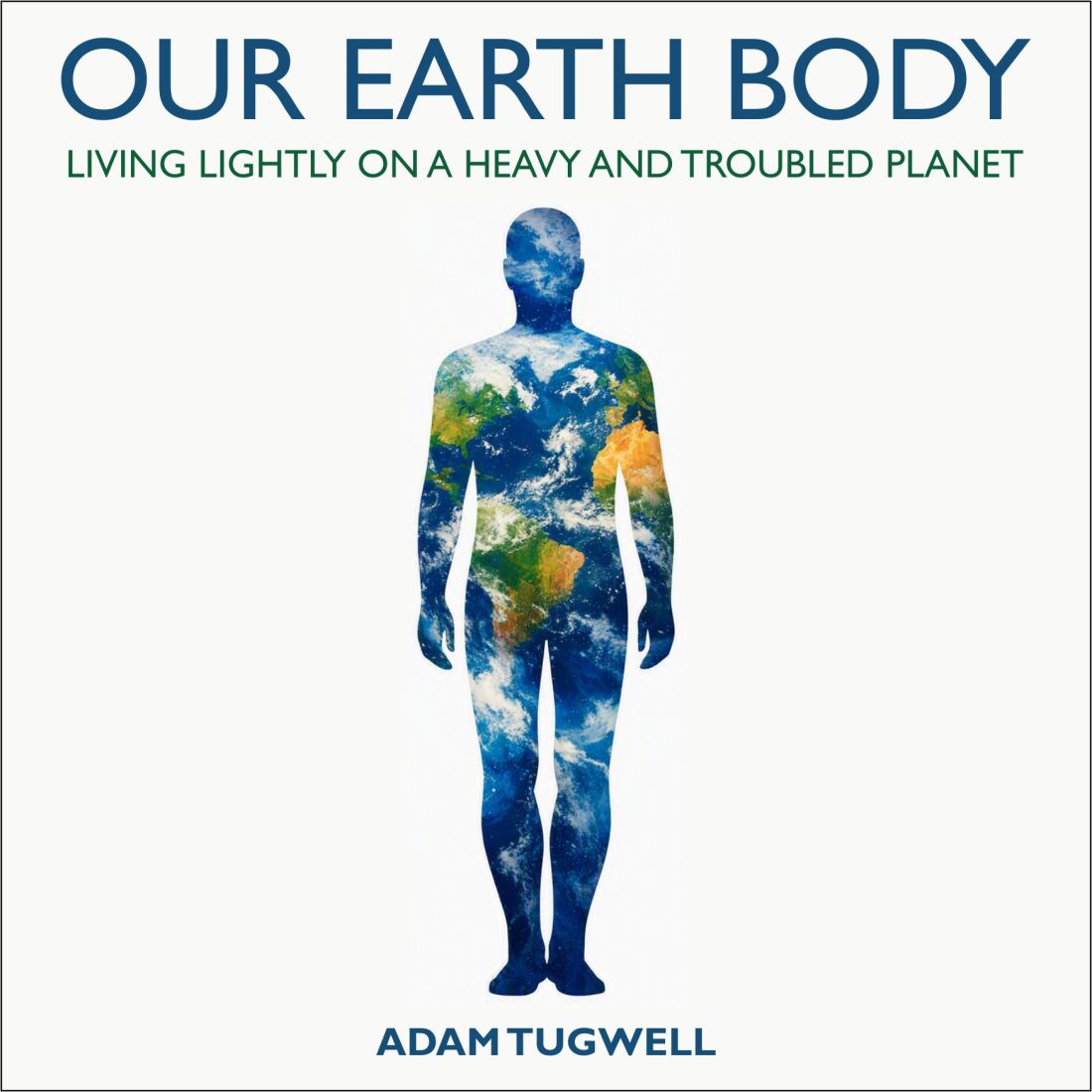
A return to the simple truth that you are part of the Earth body – not metaphorically, not symbolically, but literally. You breathe its air, drink its water, eat its food, depend on its systems, and live inside its climate. You are woven into its life, and it is woven into yours.
When the Earth body is well, you feel it. When the Earth body is strained, you feel that too – even if you don’t recognise the feeling.
This book is here to help you recognise it.
Not through fear. Not through guilt. But through clarity.
It will show you how the Earth body works, how it remembers balance, how it strains, how it heals, and how your everyday choices – small, local, human choices – ripple outward through the systems that support your life.
It will help you see beyond your bubble. It will help you understand the whisper of “more.” It will help you recognise the difference between needs and wants. It will help you understand why the Earth body feels heavy and troubled – and why that heaviness is not the end of the story.
Most importantly, it will show you your role.
Not as a saviour. Not as a culprit. Not as someone carrying the weight of the world.
But as a steward – a living part of a living planet, capable of easing pressure, capable of supporting healing, capable of living lightly in a way that feels good, feels human, and feels possible.
This book is an invitation. To see clearly. To choose gently. To live lightly. To belong consciously.
The Earth body is strained, but it is not broken. It is troubled, but it is not lost. It is heavy, but it can be lightened.
And you – simply by being aware, by being present, by being human – have a place in that healing.
Welcome. Let’s begin.
1. We Are Part of the Earth Body
You are part of the Earth body. Not in a poetic way, or a symbolic way, or a way meant to inspire awe.
In the simplest, most practical sense: you live inside a living system, and your life is woven into its life.
The Earth body holds everything that keeps you going – the air you breathe, the water you drink, the food you eat, the warmth that reaches you from the sun, the soil that grows your meals, the forests that clean your air, the oceans that regulate your climate.
You rely on these things every day, often without noticing. They are so constant, so quietly dependable, that they fade into the background of your life.
And because they fade, it’s easy to forget they’re there. Easy to forget they’re working. Easy to forget they can be strained.
For most of human history, the relationship between us and the Earth body was steady. We took what we needed – enough to live, enough to grow, enough to build – and the Earth body replenished what we used. The balance held. The system stayed whole. Life continued in a rhythm that worked for everyone.
But over time, almost without realising it, we began taking more than the Earth body could comfortably give. Not because we intended harm. Not because we were careless. Simply because we forgot the limits of the system we live inside.
We forgot that we are part of something larger, something delicate, something finely tuned.
We began adding things the Earth body was never designed to absorb – plastics that linger, chemicals that accumulate, pressures that build, speeds that overwhelm. We introduced ingredients that don’t break down, demands that don’t slow, expectations that don’t rest. And the Earth body, like any body under strain, began to show signs of discomfort.
Some of those signs are far away from where you stand. Some are close. Some you’ve seen. Some you haven’t.
But they are real, and they matter, because you are part of the Earth body – and what happens to the whole eventually touches every part.
This isn’t a warning. It’s a reminder. A gentle one.
You are not separate from the Earth body. You are not outside it. You are not a visitor here.
You are a living piece of it. And the story we’re about to walk through is simply the story of that relationship – how it works, how it’s changed, and how you can help bring it back into balance.
2. The Earth Body Remembers
The Earth body has been alive far longer than any of us. It has its own ways of keeping balance, its own rhythms, its own memory of how life works when everything is in harmony. These patterns aren’t mystical or abstract – they’re simply the quiet systems that have kept the world stable for millions of years.
You can see them if you look closely. The way forests breathe in and out through the seasons. The way rivers carve their paths with patience. The way soil builds itself grain by grain, turning fallen leaves into nourishment. The way oceans move heat around the planet like a heartbeat. The way weather shifts to keep temperatures in balance.
None of this is random. None of it is accidental. It’s the Earth body remembering how to take care of itself.
And in a way that might surprise you, these patterns aren’t so different from the ones inside your own body. You breathe without thinking. Your heart beats without instruction. Your cells repair themselves quietly. Your temperature adjusts when you’re too warm or too cold. Your body remembers how to stay alive, just as the Earth body does.
This similarity isn’t meant to make the Earth feel human. It’s meant to help you recognise something simple: you already understand how a living system works, because you live inside one every day.
When your body is in balance, you feel it. When it’s under strain, you feel that too. The Earth body is no different.
It has ways of healing, ways of adjusting, ways of responding to pressure. It has limits, just as you do. It has needs, just as you do. And when those needs aren’t met, it shows signs – not to punish, but to communicate.
For a long time, the Earth body’s memory kept everything steady. It knew how to replenish what was taken. It knew how to cool what was warm. It knew how to grow what was lost. It knew how to recover from storms, fires, floods, and droughts.
But memory can only do so much when the pressures become too great, too constant, too fast.
This is where our story begins to shift. Not into fear, but into awareness.
The Earth body remembers how to stay well. And we are part of that memory – part of the system that can help it return to balance, if we choose to.
3. Humans as Cells Within the Earth Body
If you think of the Earth body as a living system, it becomes easier to see yourself within it. Not as an outsider looking in, but as one of the many cells that help it function.
Every cell in a body has a role – some carry oxygen, some repair tissue, some fight infection, some store energy.
None of them act alone. None of them survive alone. They work together, each doing its part, each affecting the whole.
Humans are like that. You are like that.
Your life touches the Earth body in small, everyday ways – through what you eat, what you use, what you throw away, how you move, how you live.
These actions might feel tiny, almost invisible, but they ripple outward. They become part of the Earth body’s chemistry, part of its balance, part of its condition.
Most of the time, these ripples are gentle. A meal cooked. A light switched on. A walk taken. A choice made without much thought.
But when millions of cells behave in ways the body wasn’t designed for – taking too much, adding too much, demanding too much – the whole system begins to feel it. Not immediately. Not dramatically. Just gradually, like a body under a slow, steady strain.
This isn’t about blame. It’s about understanding.
A single cell doesn’t cause a fever. But many cells acting in the same way can. A single habit doesn’t disrupt a system. But millions of habits, repeated every day, can shift the balance.
And because humans are connected – through culture, through convenience, through the rhythms of modern life – we often act in similar ways without realising it. We follow patterns that feel normal because everyone around us follows them too. We take what’s available. We use what’s offered. We live inside systems that make certain choices easy and others difficult.
It’s not wrong. It’s just unexamined.
And when something is unexamined, it can grow without us noticing. Consumption grows. Waste grows. Pressure grows. Demand grows. And the Earth body, like any body, begins to respond.
But here’s the part that matters most: just as cells can strain a body, they can also help it heal.
A single cell can repair tissue. A single cell can carry oxygen. A single cell can begin a process that restores balance.
Humans can do that too. You can do that.
Not by changing everything at once, or by carrying the weight of the world, but by recognising that your actions – your small, local, everyday actions – are part of something larger. They matter because they are signals within the Earth body. They matter because they influence the cells around you. They matter because they shape the system you live inside.
You are not separate from the Earth body. You are one of its living parts. And that means you have a role in its wellbeing, whether you’ve thought about it before or not.
4. Nature as Workforce
If you think of the Earth body as a living system, it becomes easier to see how much work is happening around you all the time. Not dramatic work. Not loud work. Just the steady, dependable effort of nature keeping everything running so you can live your life.
Most of this work happens without you ever noticing. Bees move from flower to flower, carrying pollen that becomes fruit and vegetables. Trees pull carbon from the air and release oxygen back into it. Soil breaks down fallen leaves and turns them into nutrients. Rivers carry minerals from mountains to fields. Oceans move heat around the planet so temperatures stay within a range life can survive.
None of these things feel like “work” in the way we usually think of it. But they are. They’re jobs – essential ones – carried out by parts of the Earth body that never rest, never complain, never ask for anything in return.
And they support you more directly than you might realise.
The food you eat exists because soil, insects, water, and sunlight worked together to grow it. The air you breathe is clean because forests and oceans constantly filter it. The water you drink is safe because wetlands and underground layers quietly purify it. The climate you live in is stable because countless natural systems keep heat and cold in balance.
It’s easy to forget all of this because it happens quietly. It doesn’t announce itself. It doesn’t demand attention. It doesn’t stop when you’re busy or distracted or unaware.
Nature works in the background, like a team of unseen caretakers keeping the Earth body functioning.
And for most of human history, this partnership was balanced. We took what nature provided, and nature replenished what we used. We lived inside a system that could support us because we didn’t ask more of it than it could give.
But as our needs grew – and our wants grew even faster – the workload on nature increased. More land cleared. More soil used. More water drawn. More forests cut. More fish caught. More minerals extracted. More pressure placed on systems that were never designed to carry so much weight.
It’s not that nature stopped working. It’s that the jobs became harder. The demands became heavier. The balance became strained.
And just like any workforce under too much pressure, the Earth body began to show signs of fatigue.
Not everywhere at once. Not in ways that always reach your bubble. But in places where the workload is greatest – where forests thin, where soil weakens, where rivers shrink, where reefs fade.
This isn’t a story of failure. It’s a story of overwork.
Nature hasn’t given up. It hasn’t stopped. It hasn’t collapsed.
It’s simply carrying more than it was ever meant to carry.
And part of becoming a steward – part of recognising your place in the Earth body – is understanding the quiet work that supports your life, and the quiet strain that comes when that work is pushed too far.
Nature is still working for you. It always has. And it will continue to, if we help lighten the load.
5. Weather as Emotion
Weather is one of the most familiar parts of life. You feel it every day – on your skin, in your routines, in the way you dress, in the way you move through the world. It’s so ordinary that it rarely asks for your attention.
A sunny morning, a rainy afternoon, a windy evening… these things come and go without much thought.
But weather is also one of the Earth body’s most expressive systems. It’s how the Earth body responds, adjusts, and communicates. In a way that might surprise you, weather behaves a little like emotion.
When your own body is in balance, your emotions tend to be steady. When you’re under strain, they can become sharper, quicker, more intense. Not because you’re doing anything wrong – simply because your body is responding to pressure.
The Earth body works in a similar way.
When its systems are balanced, weather moves in gentle rhythms. Seasons arrive when they should. Rain falls where it’s needed. Heat and cold trade places in a pattern that feels familiar.
But when the Earth body is under strain, weather can become more reactive. Storms gather faster. Heat lingers longer. Rain arrives all at once instead of gradually. Cold snaps bite harder. Dry spells stretch further.
It’s not punishment. It’s not anger. It’s not a message of doom.
It’s simply the Earth body responding to pressure – the same way you do.
If you’ve ever felt overwhelmed, you know how quickly your emotions can shift. If you’ve ever been exhausted, you know how hard it is to stay steady. If you’ve ever carried too much, you know how even small things can feel big.
Weather reflects that same kind of sensitivity.
And just like your emotions don’t always show up in the same way for everyone, weather doesn’t show its changes evenly across the world.
Some places feel the strain more intensely. Others barely notice. Some experience floods while others face drought. Some see heat waves while others see storms.
This unevenness can make it hard to recognise what’s happening. If your bubble hasn’t been touched by unusual weather, it’s natural to think everything is fine. If your seasons still look familiar, it’s easy to believe the warnings are exaggerated.
But the Earth body is larger than any one place. And weather is one of the ways it reveals how it’s feeling.
Not to frighten you. Not to overwhelm you. Just to show that something in the system is shifting – and that the shift matters.
Weather is the Earth body’s emotion. And like any emotion, it tells a story about what’s happening inside.
6. The Bubble Problem – Why You Don’t See the Crisis
Most of us live inside a bubble we didn’t choose and rarely notice. It’s shaped by the places we spend our time, the people we speak to, the routines we follow, and the comforts we’ve grown used to.
Inside that bubble, life feels familiar. Predictable. Safe. The world seems stable because the part of it we touch each day hasn’t changed very much.
And when life feels normal, it’s easy to believe the world is normal too.
Your bubble might be a neighbourhood where the seasons still look the same. A job where the lights always come on. A supermarket where the shelves are full. A home where water runs when you turn the tap. A routine that hasn’t been interrupted by anything that feels like global change.
When that’s your lived experience, it’s natural to think: “Everything seems fine. Surely the warnings are exaggerated.”
But bubbles are small. And the Earth body is not.
The Earth body stretches across oceans, forests, rivers, mountains, reefs, and communities you may never see. It holds systems that feed you, water that sustains you, air that keeps you alive, and cycles that quietly support every part of your life. And many of those systems are under strain – not in ways that always show up in your bubble, but in ways that matter deeply to the whole.
If you haven’t seen soil turning to dust, or rivers running dry, or reefs bleaching white, or islands sinking beneath rising seas, it isn’t because these things aren’t happening. It’s because they’re happening outside the edges of your daily life. Outside the places you stand. Outside the routines you know.
Your bubble protects you from seeing the Earth body’s discomfort. But it doesn’t protect the Earth body from feeling it.
And this is where a gentle truth sits: you behave locally, but you impact globally.
Every choice you make touches the Earth body in some way – even if the effects never show up in your own bubble.
That’s why so many people feel confused. They look around and see normality. They hear warnings and see nothing wrong. They trust their senses, and their senses tell them: “Everything is fine.”
But the Earth body is larger than any one person’s experience. And the signs of strain often appear far from the places where life still feels comfortable.
This isn’t a criticism. It’s simply how bubbles work. They keep life manageable. They keep things familiar. They keep us focused on what’s right in front of us.
But bubbles can also keep us from seeing what needs our care.
And part of becoming a steward – part of recognising your place in the Earth body – is learning to look gently beyond the edges of your own bubble. Not with fear. Not with guilt. Just with awareness. With curiosity. With the understanding that your life is connected to places you may never visit, and people you may never meet.
The bubble isn’t a flaw. It’s just incomplete. And seeing beyond it is the first step toward understanding the role you already play in the Earth body’s wellbeing.
7. The Misinformation Loop – Why You Were Misled
It’s easy to feel uncertain about what’s happening to the Earth body. Not because you’re uninformed. Not because you’re careless. But because the information you’ve received over the years has been inconsistent, confusing, and often shaped by people who were themselves misled.
Most of us grew up hearing mixed messages about the state of the planet. Some said everything was fine. Some said everything was collapsing. Some said the changes were natural. Some said they were new. Some said the warnings were exaggerated. Some said they were urgent.
When you hear contradictions for long enough, you learn to tune them out. You trust what you see. You trust what feels normal. You trust your bubble.
And your bubble probably didn’t show anything dramatic. The seasons still came. The shops stayed stocked. The weather felt familiar enough. Life continued in a way that didn’t match the warnings.
So you believed what made sense: “If something was truly wrong, surely I would see it.”
But the people who shaped your understanding weren’t trying to deceive you. They were repeating what they had been told. They were relying on the same bubbles you were. They were influenced by the same habits, the same assumptions, the same desire to believe that everything was okay.
Some were protecting their livelihoods. Some were protecting their comfort. Some were protecting their sense of stability. Some simply didn’t know any better.
And because the Earth body is so large – and because its strain shows up unevenly – many of the early signs appeared far from where most people lived. In places without cameras. In communities without global attention. In ecosystems that don’t make headlines.
By the time the signs became impossible to ignore, the misinformation loop had already done its work. People had settled into the belief that the warnings were exaggerated. That the changes were temporary. That the Earth body would correct itself. That humans couldn’t possibly have such a large impact.
These beliefs weren’t foolish. They were comforting. They were familiar. They were easy to hold onto because they matched what people saw in their own lives.
And once a belief feels comfortable, it becomes hard to let go – even when new information arrives.
This is how misinformation works. Not through lies shouted loudly, but through half‑truths repeated quietly. Through misunderstandings passed from one person to another. Through assumptions that feel safe because they protect us from discomfort.
You weren’t misled because someone tricked you. You were misled because the truth was too big to fit inside your bubble.
And now that you’re seeing beyond it – gently, gradually, without fear – the picture becomes clearer. Not frightening. Not overwhelming. Just clearer.
The Earth body is under strain. And understanding how we came to believe otherwise is part of understanding how we move forward.
8. The Whisper – The Voice of “More”
If you look closely at modern life, you’ll notice something subtle running through it – a kind of whisper. It’s not loud. It’s not aggressive. It doesn’t shout instructions or demand obedience. It simply nudges. Suggests. Encourages. And almost always, it says the same thing:
“More.”
More convenience. More comfort. More speed. More choice. More entertainment. More efficiency. More of whatever makes life feel easier, smoother, or more satisfying in the moment.
This whisper is everywhere. In adverts that promise happiness in a purchase. In shops that offer endless options. In apps designed to keep you scrolling. In services built to remove every inconvenience. In cultural messages that equate success with accumulation.
None of this is sinister. None of it is designed to harm. It’s simply the way our world has evolved – a system built to keep growing, keep producing, keep offering, keep expanding.
And because the whisper is so constant, it becomes easy to follow without noticing. You buy things you didn’t plan to buy. You upgrade things that still work. You replace things that could be repaired. You choose convenience over durability. You accept speed over patience. You adopt habits that feel normal because everyone around you does the same.
The whisper doesn’t force you. It guides you. Gently. Persistently. Quietly.
And over time, it shapes your sense of what’s “enough.”
The Earth body feels this whisper too – not in the way you do, but in the consequences of the choices it encourages.
Every “more” becomes a little more pressure. A little more extraction. A little more waste. A little more strain on systems that were never designed to carry so much demand.
But it’s important to understand something: you didn’t create this whisper. You didn’t choose it. You didn’t ask for it.
You simply grew up inside it.
It shaped your expectations before you even knew you had expectations. It shaped your habits before you realised they were habits. It shaped your sense of normal before you ever questioned what normal should be.
And because everyone around you was hearing the same whisper, it became part of culture – part of how we live, how we measure success, how we define comfort.
This is why change feels difficult. Not because you’re unwilling. Not because you’re uncaring. But because the whisper has been with you for a long time, and stepping back from it feels like stepping out of a familiar rhythm.
But here’s the gentle truth: you don’t have to silence the whisper. You only have to notice it.
Once you see it – once you recognise how it nudges you – you gain something powerful: choice. The ability to pause. The ability to question. The ability to decide whether “more” is actually what you want, or simply what you’ve been encouraged to want.
And that small moment of awareness is one of the first steps toward becoming a steward of the Earth body. Not by rejecting modern life, but by choosing your place within it with a little more clarity.
The whisper will always be there. But you don’t have to follow it blindly. You can choose differently. Gently. Gradually. In ways that feel right for you.
9. Extraction as Fire
Every day, without thinking about it, we draw things from the Earth body. Food. Water. Energy. Materials. Space. Comfort. Convenience.
These things feel ordinary because they’re woven into the rhythm of modern life.
You turn on a light, and electricity appears. You buy something, and it’s already been made. You fill your car, and fuel is waiting. You eat a meal, and the ingredients have travelled through a long chain of hands and places to reach you.
Extraction is the quiet engine behind all of this. It’s how the Earth body provides what we use. It’s how nature’s workforce delivers the things we depend on.
But extraction has a temperature. When it’s gentle, the Earth body stays cool. When it’s balanced, the Earth body stays steady. When it’s within limits, the Earth body replenishes what’s taken.
For most of human history, extraction was like a small flame – warm, manageable, part of the natural cycle. We took what we needed, and the Earth body recovered. Forests regrew. Soil rebuilt. Rivers refilled. Fish populations returned. Minerals remained abundant. The flame stayed low.
But as our wants grew – and as the whisper of “more” became part of everyday life – extraction began to intensify. More land cleared. More trees cut. More soil used. More water pumped. More minerals mined. More fuel burned. More pressure placed on systems that were never designed for such constant demand.
The flame grew hotter. Not suddenly. Not dramatically. Just steadily, year after year, until the warmth became heat, and the heat became strain.
Extraction is fire because it consumes. It burns through forests. It burns through soil. It burns through water reserves. It burns through minerals and metals and fuels. It burns through the quiet resilience of ecosystems that once had time to recover.
And like any fire, when it spreads too far, it becomes difficult to control.
But here’s the part that matters: you don’t see this fire in your bubble. You see the products, not the process. You see the shelves, not the supply chain. You see the convenience, not the cost. You see the comfort, not the strain.
This isn’t your fault. It’s simply how modern life is designed – to hide the fire and show only the flame’s benefits.
But the Earth body feels the heat. It feels it in thinning forests. In exhausted soil. In shrinking rivers. In depleted fisheries. In landscapes that once thrived and now struggle to recover.
Extraction isn’t wrong. It’s necessary. It’s part of life.
But extraction without balance – extraction without limits – becomes fire that spreads through the Earth body faster than it can heal.
And part of becoming a steward is learning to recognise this fire. Not with fear. Not with guilt. Just with awareness.
Because once you see it, you can begin to understand how your choices – even the small ones – help cool the Earth body rather than heat it further.
The fire isn’t unstoppable. It’s simply unexamined. And awareness is the first step toward bringing it back under control.
10. Needs vs. Wants
If you pause for a moment and think about what you truly need to live, the list is surprisingly small. Food. Water. Shelter. Safety. Connection. Purpose. A sense of belonging. A sense of meaning.
These are the things that sustain you – the things your body and mind rely on to stay well. They’re simple, steady, and deeply human. They don’t change much from one generation to the next. They don’t depend on trends or technology. They’re the quiet foundations of a good life.
But modern life has layered many other things on top of these needs – things that feel essential because they’ve become familiar, but that aren’t actually required for wellbeing.
Extra comforts. Extra choices. Extra conveniences. Extra speed. Extra stimulation. Extra possessions.
None of these things are wrong. None of them make you a bad person. They’re simply part of the world you grew up in – a world shaped by the whisper of “more,” a world that rewards accumulation, a world that makes wants feel like needs because they’re always within reach.
The Earth body feels this difference too.
When we take what we need, the Earth body stays balanced. When we take what we want – endlessly, habitually, without noticing – the balance begins to shift.
Needs are gentle. They’re predictable. They give the Earth body time to replenish.
Wants are louder. They’re faster. They ask for more than the Earth body can comfortably provide.
But here’s the important part: most of us don’t consciously choose wants over needs. We simply follow the rhythm of the world around us. We buy what’s available. We use what’s convenient. We adopt habits that feel normal because everyone else has adopted them too.
It’s not intentional. It’s cultural. It’s inherited. It’s unexamined.
And because wants often arrive disguised as needs – wrapped in comfort, wrapped in convenience, wrapped in the promise of making life easier – it becomes difficult to tell the difference.
But when you look closely, you can feel it.
Needs leave you satisfied. Wants leave you wanting more. Needs create stability. Wants create appetite. Needs support the Earth body. Wants strain it.
This isn’t about giving things up. It’s about seeing clearly.
When you recognise the difference between what sustains you and what overstimulates you, you gain something powerful: the ability to choose with intention. To pause. To consider. To ask yourself gently, “Do I need this, or have I just grown used to wanting it?”
That small moment of awareness is enough to shift the balance – not just in your life, but in the Earth body too.
Because when millions of people make small, thoughtful choices, the Earth body feels the relief. The pressure eases. The strain softens. The systems begin to recover.
Needs keep the Earth body cool. Wants, when left unchecked, heat it up.
And part of becoming a steward is learning to recognise the difference – not perfectly, not rigidly, but with a little more clarity and a little more care.
11. Climate Illness – The Earth Body’s Symptoms
When your own body is under strain, it doesn’t fail all at once. It gives you signals. Small ones at first. A little tiredness. A little inflammation. A little imbalance. A little discomfort that comes and goes.
These symptoms aren’t dramatic, but they’re meaningful. They’re your body’s way of saying, “Something isn’t quite right. I need a moment to recover.”
The Earth body works in much the same way.
It doesn’t leap from balance to collapse. It shifts gradually. It reacts. It compensates. It tries to keep things steady even when the pressure grows.
And when the strain becomes too much, it begins to show symptoms – not to frighten us, but simply because that’s what living systems do.
Some symptoms look like heat waves that last longer than they used to. Some look like storms that gather faster. Some look like droughts that stretch further. Some look like floods that arrive suddenly instead of slowly. Some look like winters that feel unpredictable. Some look like seasons that drift out of place.
None of these symptoms mean the Earth body is failing. They mean it’s working harder than it should.
If you’ve ever had a fever, you know what this feels like. Your body warms itself to fight off strain. It’s uncomfortable, but it’s purposeful. It’s a sign of effort, not collapse.
The Earth body’s rising temperatures are similar – a sign of effort, a sign of imbalance, a sign that the system is trying to cope with pressures it wasn’t designed to carry.
If you’ve ever felt inflamed – sore muscles, swollen joints, a sense of heaviness – you know how your body reacts when something is irritating it.
The Earth body shows inflammation too: wildfires that spread more easily, forests that dry out faster, landscapes that become more sensitive to heat.
If you’ve ever felt exhausted – unable to recover as quickly as you used to – you know how your body behaves when it’s overworked.
The Earth body shows exhaustion in soil that loses nutrients, rivers that shrink, reefs that fade, ecosystems that struggle to bounce back after stress.
These symptoms aren’t punishments. They aren’t warnings of doom. They’re simply the Earth body’s way of saying, “I’m carrying more than I can comfortably hold.”
And just like with your own body, the symptoms appear unevenly. Some people feel them intensely. Some barely notice. Some places experience heat. Others experience storms. Some see drought. Others see floods.
This unevenness can make the symptoms easy to dismiss – especially if your bubble hasn’t been touched by them. But the Earth body is larger than any one bubble, and its symptoms reflect the whole, not just the part you live in.
The important thing to understand is this: the Earth body is not broken. It’s strained.
And strain can be relieved. Systems can recover. Balance can return.
But only if the pressure eases – the same way your own body heals when you rest, hydrate, slow down, and give it space to repair itself.
Climate illness is not the end of the story. It’s the middle. It’s the moment when the Earth body is asking for care, not despair.
And recognising these symptoms – gently, calmly, without fear – is the first step toward understanding how we can help it heal.
12. The Point of No Return – What Collapse Really Means
Every living system has a point where strain becomes more than it can comfortably absorb. Not a moment of sudden collapse, not a dramatic tipping point, but a gradual shift where recovery becomes harder and harder.
You’ve felt this in your own life. When you’re overwhelmed for too long, rest doesn’t restore you the way it used to. Healing takes more time. Balance becomes harder to find.
The Earth body is experiencing something similar.
It’s not failing. It’s not dying. It’s not approaching an end.
But in some places, the strain has reached a level where the old balance can’t return on its own. The systems still work, but they work under pressure. They work with less resilience. They work with less room to recover.
This is what people mean when they talk about a “point of no return.” Not a cliff. Not a countdown. Not a moment of irreversible catastrophe.
Just a threshold where the Earth body can’t bounce back to the way things were – and instead has to adapt to a new reality.
You can see this most clearly in places where the strain is concentrated. Places where the fire of extraction has burned hottest. Places where the symptoms of climate illness have appeared earliest. Places where the Earth body’s limits have been tested again and again.
One of those places is Fiji.
Fiji is made of islands – beautiful, vibrant, full of life – but also fragile in ways that most people never have to think about. The land sits low. The communities live close to the shore. The rhythms of life depend on the ocean being predictable, gentle, and steady.
For generations, it was.
But as the Earth body warmed, the ocean expanded. As ice melted, sea levels rose. As storms intensified, coastlines eroded. As weather shifted, the balance changed.
Villages that once sat safely above the tide now face water at their doorsteps. Homes that stood for decades now sit on land that is slowly disappearing. Families who have lived in the same place for generations are being asked to move inland – not because they want to, but because the Earth body has changed around them.
This isn’t a distant warning. It’s a present reality.
Fiji is not collapsing. Its people are not helpless. Its culture is not disappearing.
But the Earth body has crossed a threshold there – a point where the old balance cannot return. The land that has been lost will not rise again. The shorelines that have shifted will not move back. The villages that relocate will not return to their original homes.
This is what “no return” looks like. Not destruction. Not apocalypse. Just change that cannot be undone.
And Fiji is not alone. Other places are beginning to feel similar shifts – slowly, unevenly, quietly. Not everywhere. Not all at once. But enough to show us what happens when the Earth body carries more strain than it can heal.
The important thing to understand is this: the point of no return is not global. It is local. It happens in pockets. It happens in ecosystems. It happens in communities. It happens where the pressure is greatest.
The Earth body as a whole is still capable of healing. Still capable of recovering. Still capable of finding a new balance.
But only if the strain eases – only if the fire cools – only if the pressure stops increasing.
Fiji shows us what happens when the strain goes too far. Not to frighten us. Not to overwhelm us. But to help us understand what’s at stake, and what can still be protected.
The point of no return is not the end of the story. It’s the moment when the Earth body asks us, clearly and calmly, to help it find a new path forward.
13. Overdose – The Earth Body Under Strain
Every body has a limit – a point where too much of something becomes harmful, even if that thing was harmless in smaller amounts.
You’ve felt this in your own life. Too much noise. Too much stress. Too much sugar. Too much work. Too much stimulation. Even too much responsibility.
When the load becomes too heavy, your body reacts. It doesn’t collapse; it strains.
The Earth body is experiencing something similar.
For a long time, the pressures placed on it were manageable. Forests regrew. Soil rebuilt. Rivers refilled. Oceans stayed balanced. Weather stayed steady. Ecosystems recovered from storms, fires, floods, and droughts.
But as extraction intensified – as the whisper of “more” shaped our habits – the Earth body began receiving more than it could comfortably process.
More heat trapped in the atmosphere. More carbon released from fuels. More chemicals entering soil and water. More plastic accumulating in oceans. More land cleared. More species pushed to the edge. More pressure placed on systems that once had room to breathe.
None of these things, on their own, would overwhelm the Earth body. But together – layered, constant, unrelenting – they create a kind of overdose.
Not a sudden one. Not a dramatic one. Just a slow, steady accumulation of strain.
If you’ve ever taken on too much at once, you know how this feels. Your body doesn’t fail. It copes. It compensates. It works harder. It tries to keep everything functioning even when the load is too heavy.
But over time, the effort shows. You become tired. You become reactive. You become sensitive. You become less resilient. You lose the ability to bounce back quickly.
The Earth body is showing the same signs.
Heat waves that linger. Storms that intensify. Droughts that stretch. Floods that arrive suddenly. Ecosystems that struggle to recover. Species that disappear faster than they can adapt.
These aren’t signs of collapse. They’re signs of overdose – the Earth body carrying more than it was designed to carry.
And just like with your own body, the symptoms appear unevenly. Some places feel the strain intensely. Others barely notice. Some ecosystems react quickly. Others hold on until the pressure becomes too great.
This unevenness can make the overdose easy to dismiss – especially if your bubble hasn’t been touched by it. But the Earth body is larger than any one bubble, and its strain reflects the whole, not just the part you live in.
The important thing to understand is this: the Earth body is not failing. It’s overloaded.
And overload can be relieved. Systems can recover. Balance can return. Resilience can rebuild.
But only if the pressure eases – only if the fire cools – only if the demands placed on the Earth body stop increasing.
An overdose is not the end of the story. It’s the moment when a living system asks for rest, for relief, for space to heal.
And recognising this – gently, calmly, without fear – is part of understanding how we can help the Earth body find its way back to balance.
14. Cold Turkey – The Difficulty of Change
Change sounds simple when you talk about it in theory. Use less. Choose differently. Slow down. Be mindful. Shift habits. Reduce pressure on the Earth body.
But when you try to do it in real life, it rarely feels simple. It feels uncomfortable. It feels inconvenient. It feels unfamiliar. It feels like stepping out of a rhythm you’ve lived in for years.
And there’s a reason for that.
When you’ve grown used to certain comforts, certain routines, certain conveniences, your body and mind adapt to them. They become part of your sense of normal. They become part of your daily rhythm. They become part of how you move through the world.
So when you try to change – even in small ways – your system reacts. Not dramatically. Not violently. Just with a quiet resistance that feels like friction.
It’s the same feeling you get when you try to cut back on sugar, or reduce screen time, or wake up earlier, or stop checking your phone so often. Your body doesn’t collapse. It just protests. It asks for the familiar. It nudges you back toward what feels easy.
This is withdrawal. Not in the dramatic sense. Just in the human sense.
And the Earth body feels something similar.
When millions of people follow the whisper of “more,” the Earth body adapts to that rhythm – not comfortably, but consistently. It learns to cope with the pressure. It compensates. It adjusts. It works harder. It tries to keep everything functioning even when the load is too heavy.
So when we begin to change – when we reduce extraction, slow consumption, ease pressure – the Earth body reacts too. Not with collapse. With recalibration. With shifts. With moments of instability as systems adjust to a new rhythm.
This is why change feels difficult on both sides. Humans feel withdrawal. The Earth body feels recalibration.
Neither is a sign that change is wrong. Both are signs that change is real.
Cold turkey is uncomfortable because it interrupts habits that have been reinforced for years. Habits shaped by culture. Habits shaped by convenience. Habits shaped by the whisper of “more.” Habits shaped by bubbles that hide the consequences.
But discomfort is not danger. It’s simply the sensation of stepping into a new pattern.
And here’s the gentle truth: you don’t have to change everything at once. You don’t have to overhaul your life. You don’t have to reject modernity. You don’t have to become perfect.
You only have to begin. Slowly. Thoughtfully. In ways that feel manageable. In ways that feel human.
Because change that is forced rarely lasts. But change that is chosen – gently, gradually, with awareness – becomes part of a new rhythm. A rhythm that supports you. A rhythm that supports the Earth body. A rhythm that feels natural once you’ve lived in it long enough.
Cold turkey is uncomfortable. But discomfort is temporary. And on the other side of it is balance – for you, and for the Earth body you’re part of.
15. Healing Instinct – The Earth Body’s Capacity to Recover
Every living system has a natural instinct to heal. Your body does it constantly – repairing cuts, fighting infections, restoring balance, rebuilding strength. Most of the time, you don’t even notice. Healing is quiet. It happens underneath your awareness, patiently, steadily, without asking for permission or praise.
The Earth body works the same way.
It has been healing itself for millions of years. After storms. After fires. After floods. After droughts. After volcanic eruptions. After ice ages. After every natural disruption that has ever touched it.
The Earth body knows how to recover. It remembers how to rebuild. It remembers how to restore balance.
You can see this instinct everywhere if you look closely.
A forest regrows after a fire. Green shoots appear in blackened soil. Animals return. Birdsong comes back. Life rebuilds itself from the edges inward.
A coral reef begins to heal when water temperatures fall. Colours return. Fish come back. The ecosystem slowly knits itself together again.
A river cleans itself when pollution stops entering it. Sediment settles. Plants return. Water becomes clear. Fish populations rise.
A field left alone for a season begins to repair its soil. Microbes multiply. Nutrients rebuild. The ground becomes fertile again.
Healing is not dramatic. It is persistent.
And the Earth body is exceptionally good at it – far better than we often realise.
But healing requires one thing: relief from pressure.
Your body cannot heal if you keep injuring the same place. It cannot recover if you keep exhausting it. It cannot rebuild if you keep overwhelming it.
The Earth body is no different.
When extraction slows, ecosystems begin to breathe. When emissions fall, temperatures stabilise. When forests are protected, they regrow. When oceans are cared for, they replenish. When soil is allowed to rest, it rebuilds. When rivers are respected, they recover.
The Earth body does not need perfection. It does not need purity. It does not need a world without industry, technology, or modern life.
It simply needs space. Room. A pause. A little less pressure. A little more care. A little more balance.
And here’s the part that matters most: healing begins the moment pressure eases – not decades later, not generations later, but immediately.
The Earth body responds quickly. It adapts quickly. It recovers quickly when given the chance.
This is why your choices matter. Not because you can fix everything alone. Not because you carry the weight of the world. But because every small reduction in pressure helps the Earth body heal faster.
Millions of small choices create millions of small moments of relief. And those moments add up. They accumulate. They become recovery. They become resilience. They become balance.
Healing is not a distant dream. It is a natural instinct – one the Earth body has never lost.
And when you act as a steward, even in small ways, you become part of that instinct. Part of the recovery. Part of the resilience. Part of the healing that begins the moment pressure eases.
The Earth body wants to heal. It is ready to heal. It is waiting for the space to do so.
16. Ecosystems Within Ecosystems
If you look at the Earth body from far away, it seems like one single, unified system – one planet, one climate, one environment. But when you look closer, you begin to see something more intricate. The Earth body is made of countless smaller systems, each with its own rhythms, its own needs, its own limits, and its own ways of staying balanced.
Forests are ecosystems. Rivers are ecosystems. Wetlands, reefs, grasslands, deserts – all ecosystems. Even a single patch of soil is an ecosystem, alive with microbes, insects, roots, and nutrients.
And these ecosystems don’t exist separately. They nest inside one another. They depend on one another. They influence one another.
A forest depends on the soil beneath it. The soil depends on the microbes within it. The microbes depend on the moisture around them. The moisture depends on the weather above it. The weather depends on the climate surrounding it. The climate depends on the balance of the entire Earth body.
This nesting is what makes the Earth body so resilient – and also what makes it sensitive.
When one ecosystem is strained, the effects ripple outward. Not always dramatically. Not always immediately. But steadily, like a thread pulled from a woven fabric.
A river polluted upstream affects communities downstream. A forest cleared in one region affects rainfall in another. A reef damaged by heat affects fish populations across entire coastlines. A wetland drained affects flood patterns miles away.
These connections are quiet, but they are constant.
And because ecosystems are nested, strain doesn’t stay local. It travels. It accumulates. It spreads through the layers of the Earth body until it reaches places that seem unrelated.
This is why climate illness feels uneven. Some ecosystems reach their limits quickly. Others hold on longer. Some collapse into new patterns. Others adapt. Some recover easily. Others struggle.
It’s not chaos. It’s connection.
And here’s the part that matters most: when one ecosystem heals, the healing ripples outward too.
A restored forest cools the air around it. A protected wetland reduces flooding downstream. A recovering reef supports fish populations across entire regions. A healthy soil ecosystem supports crops, insects, birds, and animals.
Healing spreads through the Earth body the same way strain does – quietly, steadily, through the nested layers of connection.
This is why your choices matter. Not because you can fix everything alone. But because every ecosystem you touch – even indirectly – is connected to others.
Your food comes from soil ecosystems. Your water comes from river ecosystems. Your air is cleaned by forest ecosystems. Your climate is regulated by ocean ecosystems. Your wellbeing is supported by all of them.
You live inside nested ecosystems too – your home, your neighbourhood, your community, your region. Your actions ripple outward through these layers, just as the Earth body’s actions ripple through its own.
Understanding this nesting doesn’t make the problem bigger. It makes it clearer. It shows you where you fit. It shows you where your influence lies. It shows you how healing can spread from small places to large ones.
The Earth body is not one system. It is many systems woven together. And when you care for even one of them – gently, consistently, thoughtfully – you help strengthen the whole.
17. Stewardship – Your Role in the Earth Body
By now, you’ve seen the Earth body as something living – something with rhythms, needs, limits, and a remarkable capacity to heal. You’ve seen how strain builds, how symptoms appear, how ecosystems connect, and how pressure can ripple through the layers of life.
But there’s one more truth that matters just as much: you are part of this body.
Not metaphorically. Not symbolically. Literally.
You breathe the air it creates. You drink the water it filters. You eat the food it grows. You live inside the climate it regulates. You depend on the ecosystems it maintains.
You are a cell within the Earth body – and every cell has a role.
Stewardship isn’t a job title. It isn’t activism. It isn’t sacrifice. It isn’t a burden placed on your shoulders.
Stewardship is simply the natural behaviour of a cell that understands it belongs to something larger.
It’s the instinct to care for the system that cares for you. It’s the awareness that your actions ripple outward. It’s the recognition that balance is shared. It’s the quiet understanding that wellbeing is mutual.
Stewardship doesn’t require perfection. It doesn’t require purity. It doesn’t require dramatic lifestyle changes. It doesn’t require you to reject modern life.
It only requires participation – small, steady, human participation.
A steward is someone who notices. Someone who chooses with a little more intention. Someone who understands the difference between needs and wants. Someone who recognises the whisper of “more” and pauses before following it. Someone who sees their bubble clearly and looks gently beyond it. Someone who understands that healing begins the moment pressure eases.
Stewardship is not about saving the Earth body. The Earth body is not a fragile thing waiting to be rescued. It is powerful, ancient, and capable of extraordinary recovery.
Stewardship is about supporting that recovery. About giving the Earth body space to heal. About easing the strain so its natural resilience can return.
And here’s the part that matters most: you already know how to do this.
You know how to care for things. You know how to protect what matters. You know how to nurture, how to repair, how to choose gently. You do it in your relationships, in your home, in your work, in your daily life.
Stewardship is simply extending that instinct outward – from your personal world to the Earth body you live inside.
It can be as small as choosing durability over disposability. As simple as using a little less. As gentle as pausing before buying something new. As thoughtful as noticing where your food comes from. As human as appreciating the systems that support you.
These choices are not symbolic. They are signals. They are messages sent through the Earth body. They are moments of relief. They are tiny acts of cooling the fire. They are small steps toward balance.
And when millions of people make millions of small choices, the Earth body feels it. The pressure eases. The symptoms soften. The ecosystems breathe. The healing instinct activates. The resilience returns.
Stewardship is not a burden. It is a belonging. It is the recognition that you are part of a living system – and that your role within it is both gentle and meaningful.
You are not separate from the Earth body. You are one of its living parts. And that means you have a place in its healing.
18. The Steward’s Path – Practical Guidance
Stewardship isn’t an identity you adopt. It’s not a badge. It’s not a lifestyle you have to perform. It’s simply a way of moving through the world with a little more awareness – a way of easing pressure on the Earth body while still living a full, modern, human life.
The path is not rigid. It’s not demanding. It’s not all‑or‑nothing.
It’s gentle. It’s gradual. It’s human.
And it begins with small shifts – the kind that feel almost too simple to matter, yet matter deeply when millions of people make them together.
Here are the kinds of choices stewards tend to make, not perfectly, not constantly, but consistently enough to create relief in the Earth body.
1. Choose durability over disposability
A steward looks for things that last. Not because it’s trendy, but because durability cools the fire of extraction.
A durable item means fewer replacements. Fewer replacements mean fewer resources. Fewer resources mean less pressure.
It’s a quiet, powerful form of care.
2. Use what you have before seeking more
The whisper of “more” is loud. Stewardship is simply the act of pausing before following it.
You look at what you already own. You ask whether it still serves you. You use things fully. You repair when possible. You replace only when necessary.
This isn’t deprivation. It’s clarity.
3. Reduce waste gently, not rigidly
Waste is pressure the Earth body has to absorb. Stewards ease that pressure by being mindful of what they discard.
Not perfectly. Not obsessively. Just thoughtfully.
A little less food waste. A little less packaging. A little more reuse. A little more recycling.
Small acts, repeated often.
4. Support ecosystems indirectly through your choices
You may never visit the forests, rivers, reefs, or wetlands that support your life. But your choices still touch them.
Choosing sustainably sourced food. Choosing products made with care. Choosing companies that respect ecosystems. Choosing local when possible.
These choices send signals through the Earth body – signals of relief.
5. Slow down consumption where you can
Stewardship is not about stopping. It’s about pacing.
When consumption slows, ecosystems breathe. When ecosystems breathe, healing begins.
Even small reductions – fewer impulse purchases, fewer upgrades, fewer unnecessary conveniences – create space for recovery.
6. Notice your bubble and look gently beyond it
A steward understands that their bubble is not the whole Earth body.
You pay attention to places outside your daily life. You learn about communities experiencing strain. You stay aware of ecosystems under pressure. You recognise that your comfort doesn’t reflect global reality.
Awareness is a form of care.
7. Choose energy with intention
Energy is one of the Earth body’s most sensitive systems.
Stewards reduce energy use where it’s easy: turning off lights, unplugging devices, choosing efficient appliances, walking or cycling when possible.
Not perfectly. Just mindfully.
Every reduction cools the fire.
8. Support restoration when you can
Planting trees. Supporting conservation groups. Backing rewilding projects. Choosing products that fund ecosystem recovery.
These actions help the Earth body heal faster – not symbolically, but physically.
9. Speak gently about stewardship
Stewardship spreads through conversation.
Not through preaching. Not through pressure. Not through guilt.
But through quiet, human sharing: “I’m trying this.” “This helped me.” “This feels good.” “This makes sense.”
Stewardship grows through encouragement, not demand.
10. Remember that small choices accumulate
A steward understands that healing doesn’t come from grand gestures. It comes from millions of small, steady acts.
Every time you choose durability, you cool the fire. Every time you reduce waste, you ease pressure. Every time you slow consumption, you create space. Every time you act with awareness, you support recovery.
Stewardship is not about being perfect. It’s about being present.
The path is simple:
Use a little less. Appreciate a little more. Choose a little more gently. Care a little more consciously. Act as though you belong to the Earth body – because you do.
Stewardship is not a burden. It’s a way of living that feels lighter, clearer, calmer, and more connected.
It’s the path back to balance – for you, and for the Earth body you’re part of.
19. The Steward’s Mindset – A New Way of Seeing
Stewardship isn’t just a set of behaviours. It’s a way of seeing the world – and your place within it – that makes those behaviours feel natural rather than forced.
It’s not about rules. It’s not about restrictions. It’s not about guilt or pressure or perfection.
It’s about perspective. A shift in how you understand yourself. A shift in how you understand the Earth body. A shift in how you understand the relationship between the two.
The steward’s mindset begins with one simple truth: you are not separate from the Earth body. You are part of it. You live inside it. You depend on it. You influence it. You are influenced by it.
Once you see this clearly, everything else becomes easier.
1. A steward sees connection instead of isolation
You begin to notice how your choices ripple outward. Not dramatically. Not overwhelmingly. Just quietly – through ecosystems, through supply chains, through communities, through the Earth body itself.
You see that your life touches places you’ve never visited. And those places touch you back.
Connection becomes a source of meaning, not burden.
2. A steward sees impact instead of insignificance
You stop believing the lie that “one person can’t make a difference.”
You understand that every small act eases pressure. Every gentle choice cools the fire. Every moment of awareness supports healing.
You see yourself as part of a collective – millions of small signals adding up to real change.
Impact becomes something you participate in, not something you chase.
3. A steward sees abundance instead of scarcity
You realise that enough is a feeling, not a quantity.
You begin to appreciate what you already have. You find satisfaction in durability. You find comfort in simplicity. You find richness in experiences rather than possessions.
Abundance becomes something you feel, not something you accumulate.
4. A steward sees responsibility instead of blame
You stop looking for villains. You stop looking for heroes. You stop looking for someone to blame or someone to save the world.
You understand that stewardship is shared. Distributed. Collective. Human.
Responsibility becomes something you carry lightly, not heavily.
5. A steward sees time differently
You stop expecting instant results. You stop expecting dramatic change. You stop expecting perfection.
You understand that healing is slow. Recovery is gradual. Balance is built through consistency, not urgency.
Time becomes an ally, not an enemy.
6. A steward sees beauty in balance
You begin to notice the quiet intelligence of ecosystems. The elegance of natural cycles. The resilience of living systems. The way the Earth body heals when given space.
You see beauty not just in nature, but in the relationship between nature and human life.
Balance becomes something you value, not something you sacrifice for.
7. A steward sees themselves as a participant, not an observer
You stop standing outside the Earth body, looking in. You step into your place within it.
You understand that stewardship isn’t about saving the planet. It’s about belonging to it. Caring for it. Supporting it. Living in harmony with it.
Participation becomes natural – a quiet expression of who you are.
The mindset is simple:
See clearly. Choose gently. Care consistently. Belong consciously.
Stewardship isn’t a task. It’s a way of being – a way of moving through the world with awareness, intention, and a sense of connection to the Earth body you’re part of.
Once this mindset settles in, the actions follow effortlessly. Not because you force them, but because they make sense. They feel right. They feel human. They feel like the natural expression of a life lived in relationship with the world that sustains you.
The steward’s mindset is not about changing who you are. It’s about remembering who you already are – a living part of a living Earth, capable of care, capable of balance, capable of belonging.
20. The Steward’s Future – A Vision of What’s Possible
It’s easy to imagine the future as something distant, shaped by forces too large to influence.
But the truth is simpler, and far more human: the future is shaped by the rhythms we choose today. Not by grand gestures. Not by dramatic revolutions. But by millions of small decisions made by millions of ordinary people who understand their place in the Earth body.
A steward’s future is not a world stripped of comfort. It’s not a world of sacrifice or scarcity. It’s not a world where modern life disappears.
It’s a world where balance returns – gradually, steadily, naturally – because people began living with awareness instead of autopilot.
What does that future look like?
It looks like towns and cities designed around human wellbeing instead of constant consumption. Places where green spaces are woven into daily life, where air feels clean, where walking feels natural, where communities feel connected.
It looks like homes filled with fewer things but better things – durable, meaningful, chosen with intention rather than impulse. Spaces that feel calmer, lighter, more grounded.
It looks like food systems that nourish both people and ecosystems. Local produce where possible. Regenerative farming that rebuilds soil. Fisheries managed with care. Meals that feel connected to the land and sea that provided them.
It looks like energy systems that work with the Earth body instead of against it. Cleaner grids. Smarter use. Less waste. More efficiency. A rhythm that cools the fire instead of feeding it.
It looks like communities that understand their bubbles – and choose to look beyond them. People who stay informed. People who care about places they’ve never visited. People who recognise that their comfort is connected to someone else’s strain.
It looks like ecosystems recovering. Forests regrowing. Rivers clearing. Wetlands returning. Reefs healing. Species stabilising. Land breathing again.
It looks like weather becoming gentler over time – not instantly, not perfectly, but gradually, as the Earth body finds its balance again.
It looks like children growing up with a natural sense of stewardship. Not as a duty. Not as a burden. But as a normal part of life – the same way kindness, curiosity, and responsibility are normal.
It looks like a world where “enough” feels satisfying. Where abundance is measured in wellbeing rather than accumulation. Where people feel connected to the Earth body instead of separate from it.
It looks like a future where healing is visible. Where strain softens. Where the Earth body’s symptoms fade. Where resilience returns.
This future is not imaginary. It is not idealistic. It is not unreachable.
It is simply the natural outcome of millions of small acts of stewardship – the kind you’ve already seen, the kind you already understand, the kind you’re already capable of.
The steward’s future is built slowly. Gently. Humanly. Through choices that feel good, feel clear, feel connected.
It is a future where the Earth body thrives because the people within it remembered who they are: participants, not observers; cells, not outsiders; stewards, not consumers.
A future shaped not by fear, but by care. Not by urgency, but by awareness. Not by perfection, but by presence.
A future where you belong – fully, naturally, and with purpose.
21. Closing – Returning to the Earth Body
If you step back from everything we’ve explored – the bubbles, the whispers, the strain, the symptoms, the healing, the stewardship – you’ll notice something simple underneath it all.
You are part of a living world. You always have been. You always will be.
The Earth body is not a concept. It’s not an idea. It’s not a metaphor. It’s the reality you live inside every day, whether you notice it or not.
It holds you. It feeds you. It shelters you. It breathes with you. It changes with you. It responds to you. It heals because of you. It strains because of you. It includes you.
And now, you see it.
Not as a distant planet. Not as a fragile thing. Not as a problem to solve. But as a body – a living body – one you belong to.
This is the return.
A return to awareness. A return to connection. A return to belonging. A return to the simple truth that you are a cell within something vast, ancient, and alive.
The Earth body does not ask for perfection. It does not ask for sacrifice. It does not ask for fear. It does not ask for urgency.
It asks for presence. It asks for gentleness. It asks for care. It asks for balance. It asks for stewardship – not as a duty, but as a relationship.
You are not separate from the Earth body. You are not outside it. You are not a visitor. You are not an observer.
You are a participant. A contributor. A living part of a living whole.
And when you act with awareness – even in small ways – the Earth body feels it. It responds. It heals. It steadies. It breathes easier.
This is not the end of the story. It’s the beginning of a new one – a story where you move through the world with clarity, with intention, with connection, with a sense of belonging that was always yours but only now has words.
You are a steward. Not because you chose the role, but because it is part of what it means to be human.
And the Earth body is ready for you. Ready for your gentleness. Ready for your awareness. Ready for your presence. Ready for your care.
This is the return. To the Earth body. To your place within it. To the relationship that has always been there, waiting quietly for you to notice.
You are home.
Conclusion – Returning to Yourself, Returning to the Earth Body
By now, you’ve walked through a story that was never really about the planet alone. It was about you – your place, your belonging, your connection to the living world that holds you. It was about remembering something simple that modern life made easy to forget: you are part of the Earth body, and the Earth body is part of you.
Nothing in these pages asked you to be perfect. Nothing asked you to carry the weight of the world. Nothing asked you to become someone else.
It asked you to notice. To care. To choose gently. To live lightly in ways that feel human and possible.
The Earth body is strained, but it is not beyond healing. It is troubled, but it is not lost. It is heavy, but it can be lightened.
And you – simply by being present, by being aware, by being willing to act with a little more intention – are part of that healing.
Stewardship is not a burden. It is a relationship. It is a way of seeing the world that makes care feel natural rather than difficult. It is a way of living that brings you closer to the systems that sustain you.
When you step outside after reading this, nothing will look different. The sky will be the same. The air will feel familiar. Your routines will continue.
But you will be different. You will see the quiet work of nature more clearly. You will feel the weight of “more” more honestly. You will recognise the difference between needs and wants more gently. You will understand your bubble without being confined by it. You will know that your choices ripple outward, even when they feel small.
And that knowing – that awareness – is enough to begin.
The Earth body does not need heroes. It needs participants. It needs stewards. It needs people who remember that they belong.
You belong.
And every small act of care you offer – every moment of living lightly – becomes part of the Earth body’s healing.
This is not the end of the story. It is the beginning of a new one. A story where you live with clarity, with connection, and with a sense of gentle responsibility to the world that sustains you.
A story where the Earth body grows lighter because you chose to live lightly within it.
Welcome to that story. Carry it with you.