One of the things we often overlook, is that there is a series of different local, regional and central government authorities to which anyone eligible can be elected as a member, which have responsibility for different parts and areas of government delivery.
Once you begin campaigning, you will quickly understand that many voters do not understand the structure of government and where responsibility for different public services is held. It can be confusing for many reasons and this is why it is important to understand a.) what the authority you wish to be elected to itself does, and b.) what all the other authorities do – as you may quickly find yourself needing to contact them.
The different authorities are known as the Tiers of Government, because they overlap, literally on top of each other in the same geographical area.
It is currently possible for a voter to have a different elected representatives representing them at up to 5 or 6 different levels, depending upon the local structure of government and where the responsibilities for any specific geographical areas lie.
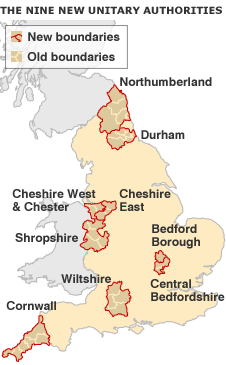
A major reconstruction of local authority boundaries created a number of Unitary Authorities in 2009. Government cuts and a drive to share services between authorities may lead to the creation of more in the future
In some areas, the roles and responsibilities of Parish & Town and/or Borough & District and County Councils have been amalgamated and made the responsibility of one local authority for that area. The areas they cover typically correspond with a Borough/District Boundary or a County Boundary, but could mirror the area covered by a multiple of former Borough/District Councils.
Competition for a seat on a Unitary Authority is likely to be higher than fighting for a seat on a Borough/District Council or a County Council Division – especially if ‘unitary status’ has been recently obtained and the way that Councilors are elected to the Authority has been changed.
County Councils make up the highest tier of local government and provide a range of public services which are typically more strategically focused, as opposed to the more ‘day-to-day’ nature of the work of District Level Authorities. Their area of control usually corresponds with the geographical boundaries of Counties.
Councillors are elected to County Council Seats as Representatives of ‘Divisions’. Divisions typically cover the same area as several District Level Authority Wards, which themselves typically cover a multiple of Parish Wards. (where they exist)
The responsibilities of County Councils include:
Education (The Local Education Authority)
Adult Education
School Buildings & Infrastructure
Highways (Minor roads and the major roads not under the control of the Highways Agency)
Setting the Council’s Annual Budget or ‘Precept’ – the amount every household contributes to the running of the Council, which is paid as part of their ‘Council Tax’
Elections are rarely uncontested and most County Councils are under the control of a Political Group, or made up of Members who have been elected as representatives of well known Political Parties.
Once elected, Members usually have the opportunity to join various committees and contribute in different roles with varying levels of responsibility, depending on the structure of the Council.
Borough or District Councils provide the administrative hubs of local government. They oversee and manage a wide range of the public services that voters experience on a regular basis and hold key responsibilities for our local environment.
Councillors are elected to Borough or District Council Seats as Representatives of ‘Wards’. Wards typically cover the same area as a multiple of Parish Council Wards (where they exist).
District Level Authorities typically provide Electoral Services for ALL public elections, irrespective of the Tier of Government through their Democratic Services Departments, and it will be this authority that you will need to contact regarding the process and requirements to become a candidate in an election in the location over which the authority presides.
The responsibilities of District Level Authorities include:
Planning
Building Control
Licensing (Sale of Alcohol, Taxi & Private Hire, Scrap Metal Collection, Gambling, Sex Shops, Street Trading)
Housing
Environmental Health
Refuse & Recycling collections
Maintaining Parks & Green Spaces
Street Cleansing
Setting the Council’s Annual Budget or ‘Precept’ – the amount every household contributes to the running of the Council, which is paid as part of their ‘Council Tax’
Electoral Services (non-political)
Flood Prevention & Emergency Planning
The collection and redistribution of Council Tax
Community facilities (Sports halls, swimming pools, public toilets, car parks)
District Level Authorities are perceived by many in politics to be where responsibility really begins. Elections are rarely uncontested and most Councils at this level are under the control of a Political Group, or made up of Members who have been elected as representatives of well known Political Parties.
Once elected, Members usually have the opportunity to join various committees and contribute in different roles with varying levels of responsibility, depending on the structure of the Council. Some of these, such as those with Licensing or Planning responsibility are considered apolitical and quasi-judicial in nature.
The Parish Council Meetings from the TV Comedy ‘The Vicar of Dibley’ give a warm and fun portrayal of the responsibilities of government at the most accessible level. But the responsibilities are real, and elected councillors can make a big difference on behalf of their local community
Arguably the most accessible form of Government in the UK today are local Parish & Town Councils. They are also the most diverse, in terms of their size, the regularity of when they meet, their budget, and the assets and activities which they have responsibility for.
Typically Parish & Town Councils only exist within rural or countryside Boroughs or Districts and they often hold responsibility for the area around and including a Village, a definable/outlying area of a Town or a group of very small Villages or Hamlets (Parish), or alternatively an area known as a Town which itself is not big enough demographically (have enough people living there or registered to vote) to qualify as a Borough or District in government terms.
Their responsibilities typically include:
Community Assets (Which includes Village Halls, Town Halls, Public Toilets, other community buildings, playing fields, parks, green spaces etc, which have belonged to the Parish/Town historically OR have been ‘adopted’ as a result of development)
Litter Bins (Paying for their purchase and installation, choosing the site etc)
Dog Bins (Paying for their purchase and installation, choosing the site etc)
Benches (Paying for their purchase and installation, choosing the site etc)
Bus Shelters (Paying for their purchase and installation, choosing the site etc)
Cleaning and maintaining Community Assets
Setting the Parish or Town ‘Precept’ – the amount every household contributes to the running of the Council, which is paid as part of their ‘Council Tax’
Grants
Consideration of Planning Applications as a Respondent
Representing the community where appropriate
Supporting other community stakeholders and local organisations (where appropriate)
Other responsibilities which are specific to the Council
It doesn’t look or sound like a lot of responsibility. But for those who really care about the community in which they live and the shared experience they have with others who live and work there too, becoming a member of a local Parish or Town Council can be very rewarding as it is possible to experience the impact of the work and decisions made first hand.
Parish & Town Councils will always have at least one Officer known as a Clerk, who is responsible for administration and communication. The Clerk is person you would normally contact to make enquiries about the work of the Council.
Information regarding the area which the Parish or Town Council covers (its Electoral Constituency), its Parish Wards, the number of Councillors elected for each, the Electoral Cycle (When the Council will next be elected) should be available from the Council itself via its Website, or alternatively the Clerk. Otherwise, the Democratic Services Department of the corresponding District Level Authority should be able to help, or you can find information from the Local Government Boundary Commission here.


 County Councils make up the highest tier of local government and provide a range of public services which are typically more strategically focused, as opposed to the more ‘day-to-day’ nature of the work of District Level Authorities. Their area of control usually corresponds with the geographical boundaries of Counties.
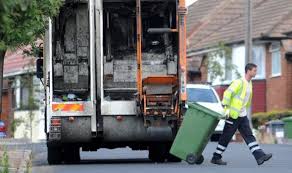 Borough or District Councils provide the administrative hubs of local government. They oversee and manage a wide range of the public services that voters experience on a regular basis and hold key responsibilities for our local environment.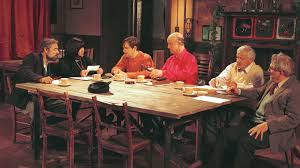
 Adam Tugwell