
Idealism cannot be imposed. The moment you impose it, it ceases to be ideal. Yet idealists convince themselves that if only they were in charge – or able to enforce the changes they believe necessary – the world would fall neatly into the shape they imagine. Those who “can’t see it” would simply comply, because in the idealist’s mind, obedience would be in their best interests, even if they didn’t realise it.
But the world we live in is far from perfect.
After extensive work on The Local Economy & Governance System and The Basic Living Standard, I’m convinced that profound change is not only desirable but necessary.
Even so, one truth remains: no organisation, community or society can function or survive if most of the people within it are not free to make what they understand to be their own choice.
The Illusion of Choice – and Why Leaders Misunderstand It
Our money‑centric system gives very few of us genuine freedom of choice. Money – and everything it touches – shapes almost every decision we make. The system has endured, to our detriment, because we retain at least the illusion of choice.
Yet that illusion is increasingly misunderstood by the very people who rely on it: the establishment and the government.
Whether through design, agenda or naïve idealism, they seem to have forgotten how essential choice is – even in areas where they assume choice is unnecessary or inconvenient.
A Small Rule That Reveals a Bigger Problem
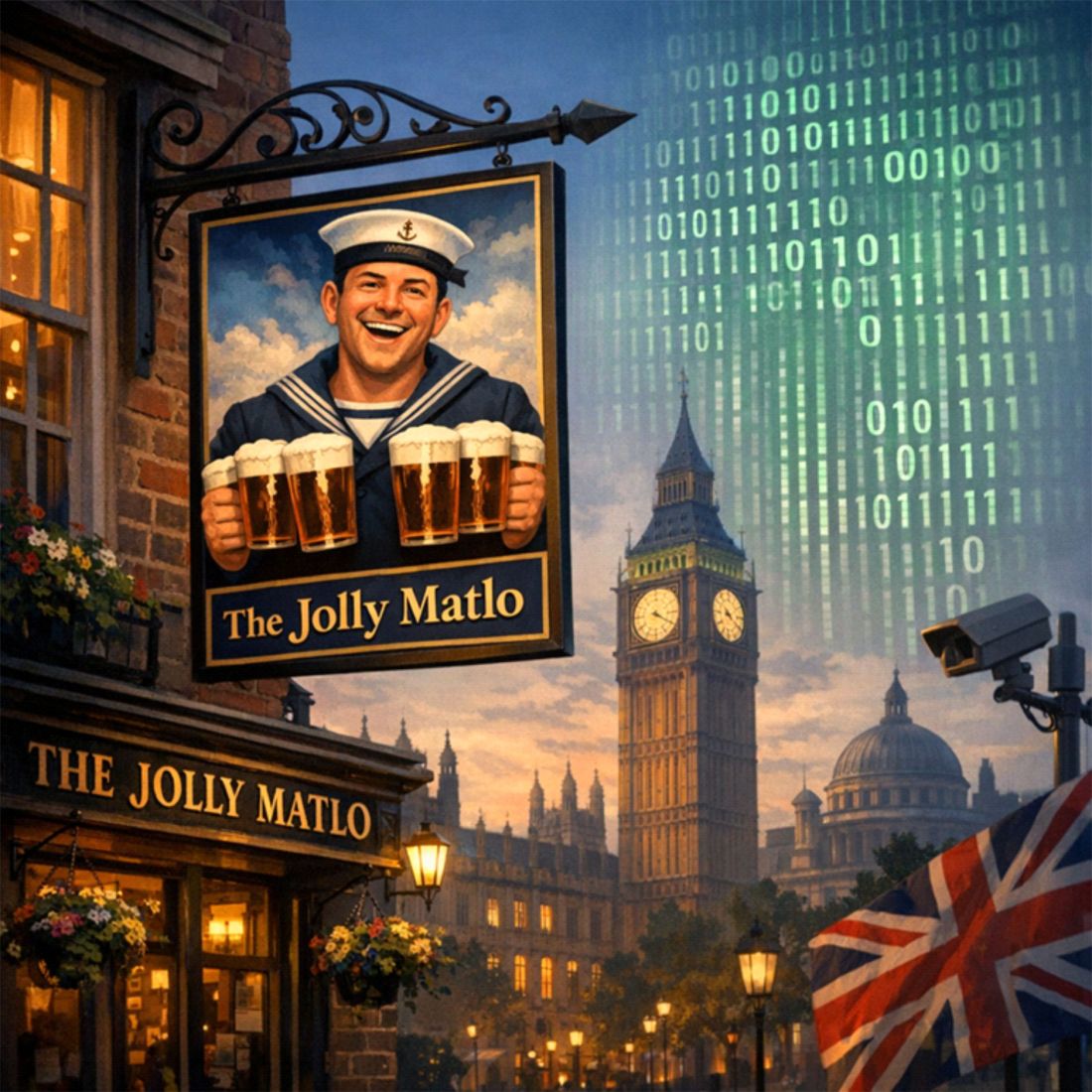
When I opened Twitter earlier today, I saw a post about Retired Admiral Lord West commenting on the news that the Royal Navy intends to restrict personnel to no more than six pints of beer a week.
I was not surprised. It is yet another example of the creeping belief that behaviour can be engineered from above, and that those who serve should simply accept it.
This follows closely on the criminalisation of veterans for actions judged through the lens of today’s civilian morality – a morality that did not exist at the time of events that are being questioned, and which has no place being retrofitted onto military decisions made under military conditions.
It is hardly surprising that many within the armed forces and the specialist security services now question whether their political masters want them – or anyone – to be happy, capable and able to do their job.
Why Choice Matters Even in the Most Disciplined Institutions
It would be wonderful to live in a world where we had no need for the Police, the British Army, the Royal Navy, the Royal Air Force, GCHQ, the SAS or anything like them. But that is not the world we inhabit. And we will never build anything better unless open, informed choices remain available to everyone involved.
This is precisely what progressive idealism misses. It assumes that system‑level restrictions can reshape human behaviour, and that imposing them will somehow inspire universal change.
It propagates the myth to followers that doing what the narrative tells you to without question is always “the right thing,” and that doing so means that you will never be harmed.
But peace – and peace of mind – require security. Security requires capability. And capability requires human beings who retain the ability to choose.
The Military Cannot Function Without Human Choice
Real power today is not about capability – that should never be in question.
Real power lies in choosing not to abuse capability.
For that to be possible, the military must be staffed by people who retain the ability to make choices, even though they surrender some freedoms when they sign up.
They must retain choice in the small things – such as what they drink – and in the most serious things, such as whether to fire a weapon. They can only be our protectors if they remain capable of making those decisions within the framework of rules we give them.
Remove that freedom, and they cease to be human agents. They become machines.
Perhaps that is the intention. But machines cannot interpret context, cannot weigh consequences, and cannot be held morally responsible. Humans can – and must.
Political Responsibility Cannot Be Outsourced
Yes, military personnel sometimes get things wrong. But they did not put themselves in those situations.
Whether they were deployed proactively, reactively or because of political calculation, the responsibility for placing them there lies with the politicians who made those choices.
Any alleged wrongdoing must always be considered in that context – a military context – and judged by a military court, based on the circumstances at the time and what was considered appropriate then.
Civilian hindsight has no place rewriting the realities of a battlefield, circumstances where the military or security services have been deployed, or the decisions made within them.
The Drift Toward Control Disguised as Progress
Restricting military personnel from having a beer is not discipline. It is micromanagement born either of idealism or of a deliberate attempt to destabilise a shrinking military at a time when we desperately need young people to sign up, believing the experience will be rewarding and worthwhile.
And while we now live in an era increasingly shaped by AI – an era that tempts some leaders to imagine a future where human beings can be sidelined – the truth remains simple: robots and battlefield technology are not infallible. They are only as good as the programming behind them, and that programming will, for the foreseeable future, remain the product of human choice.

 Adam Tugwell