Centralisation Only Rewards Those at The Centre

For months I’ve been writing about The Local Economy & Governance System (LEGS) and The Basic Living Standard. Yet I’m always aware of a deeper challenge: until people truly see the mechanics of the money‑centric system we live in – not just the symptoms, but the structure – the need for a paradigm shift can feel abstract.

The irony is that the evidence sits in front of us every day. The system hides in plain sight. But because we have been conditioned to treat money as the unquestionable centre of life, we rarely recognise how deeply it shapes our behaviour, our morality, our relationships, our communities, and even our understanding of what it means to be human.

Money today is not simply a medium of exchange. It has become the organising principle of society – the lens through which value is defined, the gatekeeper of freedom, the arbiter of worth, and the mechanism through which power is accumulated. And because money has been elevated to this position, the consequences extend far beyond currency itself. They reach into motivation, identity, governance, and the very structure of our lives.

This is why centralisation exists.

This is why it grows.

This is why it always rewards those at the centre – and harms everyone else.

The money–power–centralisation equation

The relationship is simple:

Money → Wealth → Power → Control → Centralisation

Everyone understands this at some level. Even those with the least money know that having money gives them more control over their own lives.

But as you move up the hierarchy of the money‑centric system, the dynamic changes. Money no longer gives control over your own life – it gives control over other people’s lives.

And once that dynamic exists, centralisation becomes inevitable.

Centralisation is not an accident.

It is not a side‑effect.

It is the natural outcome of a system built on scarcity, hierarchy, and accumulation.

The more money someone has, the more they can centralise power. The more power they centralise, the more money they can extract.

The cycle feeds itself.

This is the architecture of the money‑centric paradigm.

What centralisation really is

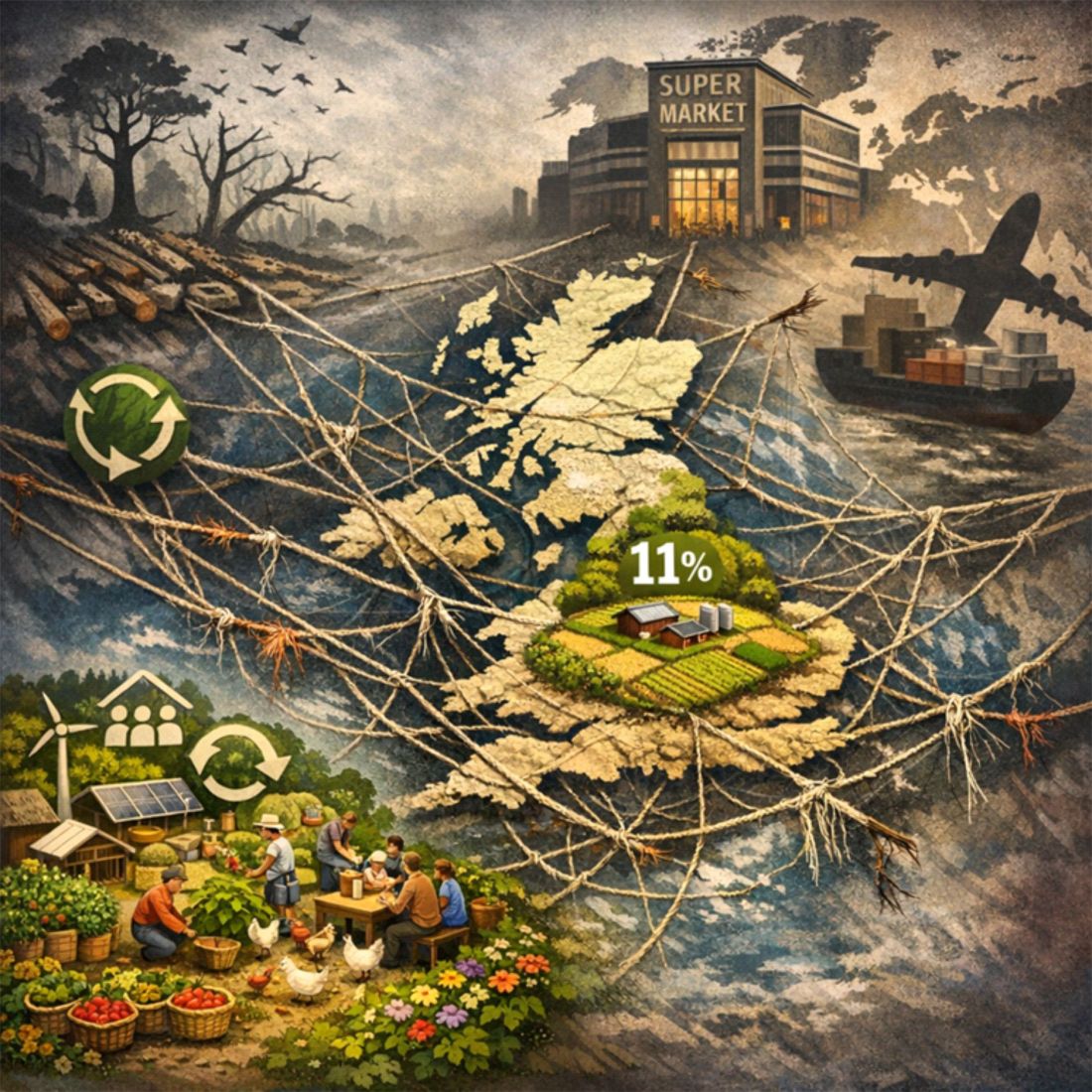
People often imagine centralisation as a simple chain of command. But in reality, it is a network of overlapping chains – each one transferring power, ownership, and influence upward, away from the people affected by decisions and toward a distant centre.

Every chain works the same way:

  • power flows upward
  • responsibility flows downward
  • accountability disappears
  • humanity is lost

And because these chains replicate across every sector – politics, business, food, media, technology, governance – they form a vast web of dependency and control.

Centralisation is not just structural.

It is psychological.
It is cultural.
It is economic.
It is moral.

It is the mechanism through which the money‑centric system maintains itself.

The trick: centralisation is sold as “efficiency”

One of the most effective illusions of the money-centric system is the way centralisation is presented as:

  • reasonable
  • intelligent
  • cost‑effective
  • efficient
  • modern
  • inevitable

People are told that centralisation “reduces duplication”, “streamlines services”, “saves money”, or “improves coordination”.

But the truth is simple:

Centralisation always reduces the number of people with power.

It always increases the distance between decision‑makers and those affected.

It always concentrates wealth and influence in fewer hands.

And because distance removes empathy, centralisation always leads to dehumanisation.

Where we see centralisation at work

You can see the pattern everywhere:

  • Politics – power pulled upward into party machines, donor networks, and distant executives.
  • Government – “devolution” used as a cover for regional centralisation, reducing local representation and increasing control from Westminster.
  • Globalisation – local economies hollowed out as production and decision‑making move offshore.
  • Corporate structures – small businesses replaced by multinational giants.
  • Supply chains – farmers and producers trapped by supermarket monopolies.

In every case, the story is the same:

Centralisation removes local agency and transfers power upward.

The dehumanisation effect

As centralisation grows, the number of links between people and the centre increases. Each link removes a layer of humanity.

When decision‑makers have no direct contact with the people affected by their decisions, they stop seeing them as people at all.

This is why:

  • Policies harm communities without anyone taking responsibility
  • Corporations exploit workers and environments without remorse
  • Governments impose rules without understanding consequences
  • Systems become cold, bureaucratic, and indifferent

Centralisation creates distance.

Distance removes empathy.

Lack of empathy enables harm.

This is the psychological architecture of the money‑centric world.

The damage centralisation has caused

We have been told for decades that centralisation “makes life easier” and “reduces cost”. But the lived reality is the opposite:

  • People cannot afford to live independently on a minimum wage.
  • Communities have lost identity, cohesion, and purpose.
  • Local businesses have been replaced by corporate monoliths.
  • Supply chains have become fragile and exploitative.
  • The environment has been degraded for profit.
  • Wealth has been transferred upward at unprecedented speed.

Centralisation has not reduced cost.

It has redistributed cost – downward.

Onto the people least able to bear it.

This is not a glitch. It is the design.

Localisation: the antithesis of centralisation

Centralisation only exists because the system is built on hierarchy, scarcity, and accumulation.

Remove those foundations, and centralisation has no purpose.

This is why genuine localisation – not the fake “devolution” offered by governments, but true community‑level autonomy – is the natural alternative.

Local systems:

  • Operate without hierarchy
  • Are built on relationships
  • Are grounded in lived reality
  • Prioritise needs over profit
  • Are transparent and accountable
  • Reconnect people to the consequences of decisions

People trust local leadership because it is human, visible, and accountable.

They do not trust distant leaders they never meet, cannot reach, and did not choose.

Locality is the natural scale of human systems. Centralisation is the unnatural one.

Why this matters now

Centralisation is not just a political or economic issue.

It is the structural expression of the money‑centric worldview.

And because the money‑centric system is collapsing – financially, socially, environmentally, morally – the centralised structures built upon it are collapsing too.

This is the doorway moment.

We can continue rearranging the furniture inside a collapsing room.

Or we can step through the doorway into a new paradigm – one built on locality, contribution, community, and human dignity.

Centralisation is the problem.

Localisation is the solution.

LEGS is the structure that makes localisation possible.

The Basic Living Standard is the foundation that makes it humane.

The Revaluation is the shift in consciousness that makes it visible.

Once you see the doorway, you cannot unsee it.

And once you understand centralisation, you understand why nothing will change until we leave the old room behind.

Idealism, Choice, and the Erosion of Leadership

Idealism cannot be imposed. The moment you impose it, it ceases to be ideal. Yet idealists convince themselves that if only they were in charge – or able to enforce the changes they believe necessary – the world would fall neatly into the shape they imagine. Those who “can’t see it” would simply comply, because in the idealist’s mind, obedience would be in their best interests, even if they didn’t realise it.

But the world we live in is far from perfect.

After extensive work on The Local Economy & Governance System and The Basic Living Standard, I’m convinced that profound change is not only desirable but necessary.

Even so, one truth remains: no organisation, community or society can function or survive if most of the people within it are not free to make what they understand to be their own choice.

The Illusion of Choice – and Why Leaders Misunderstand It

Our money‑centric system gives very few of us genuine freedom of choice. Money – and everything it touches – shapes almost every decision we make. The system has endured, to our detriment, because we retain at least the illusion of choice.

Yet that illusion is increasingly misunderstood by the very people who rely on it: the establishment and the government.

Whether through design, agenda or naïve idealism, they seem to have forgotten how essential choice is – even in areas where they assume choice is unnecessary or inconvenient.

A Small Rule That Reveals a Bigger Problem

When I opened Twitter earlier today, I saw a post about Retired Admiral Lord West commenting on the news that the Royal Navy intends to restrict personnel to no more than six pints of beer a week.

I was not surprised. It is yet another example of the creeping belief that behaviour can be engineered from above, and that those who serve should simply accept it.

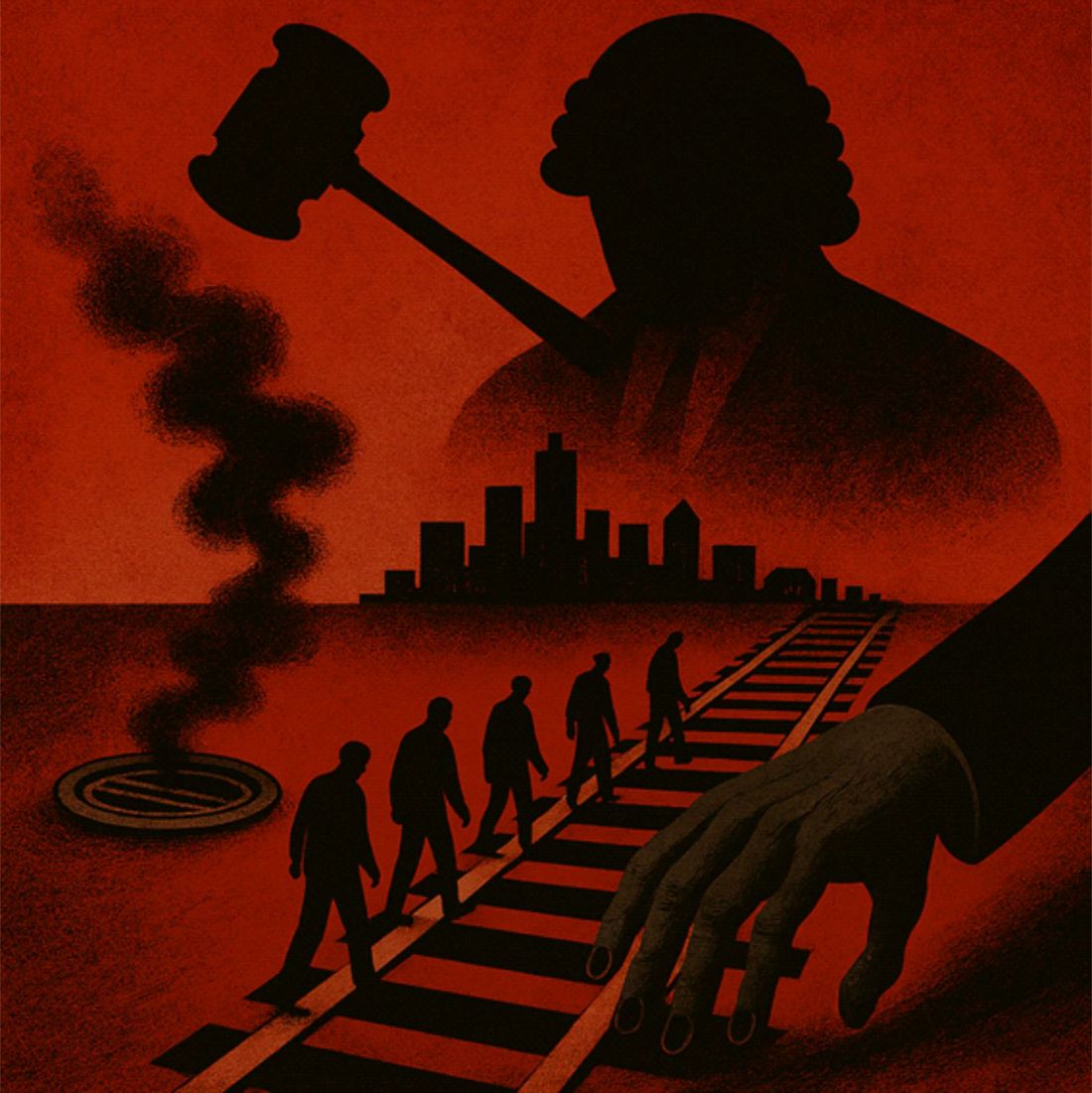
This follows closely on the criminalisation of veterans for actions judged through the lens of today’s civilian morality – a morality that did not exist at the time of events that are being questioned, and which has no place being retrofitted onto military decisions made under military conditions.

It is hardly surprising that many within the armed forces and the specialist security services now question whether their political masters want them – or anyone – to be happy, capable and able to do their job.

Why Choice Matters Even in the Most Disciplined Institutions

It would be wonderful to live in a world where we had no need for the Police, the British Army, the Royal Navy, the Royal Air Force, GCHQ, the SAS or anything like them. But that is not the world we inhabit. And we will never build anything better unless open, informed choices remain available to everyone involved.

This is precisely what progressive idealism misses. It assumes that system‑level restrictions can reshape human behaviour, and that imposing them will somehow inspire universal change.

It propagates the myth to followers that doing what the narrative tells you to without question is always “the right thing,” and that doing so means that you will never be harmed.

But peace – and peace of mind – require security. Security requires capability. And capability requires human beings who retain the ability to choose.

The Military Cannot Function Without Human Choice

Real power today is not about capability – that should never be in question.

Real power lies in choosing not to abuse capability.

For that to be possible, the military must be staffed by people who retain the ability to make choices, even though they surrender some freedoms when they sign up.

They must retain choice in the small things – such as what they drink – and in the most serious things, such as whether to fire a weapon. They can only be our protectors if they remain capable of making those decisions within the framework of rules we give them.

Remove that freedom, and they cease to be human agents. They become machines.

Perhaps that is the intention. But machines cannot interpret context, cannot weigh consequences, and cannot be held morally responsible. Humans can – and must.

Political Responsibility Cannot Be Outsourced

Yes, military personnel sometimes get things wrong. But they did not put themselves in those situations.

Whether they were deployed proactively, reactively or because of political calculation, the responsibility for placing them there lies with the politicians who made those choices.

Any alleged wrongdoing must always be considered in that context – a military context – and judged by a military court, based on the circumstances at the time and what was considered appropriate then.

Civilian hindsight has no place rewriting the realities of a battlefield, circumstances where the military or security services have been deployed, or the decisions made within them.

The Drift Toward Control Disguised as Progress

Restricting military personnel from having a beer is not discipline. It is micromanagement born either of idealism or of a deliberate attempt to destabilise a shrinking military at a time when we desperately need young people to sign up, believing the experience will be rewarding and worthwhile.

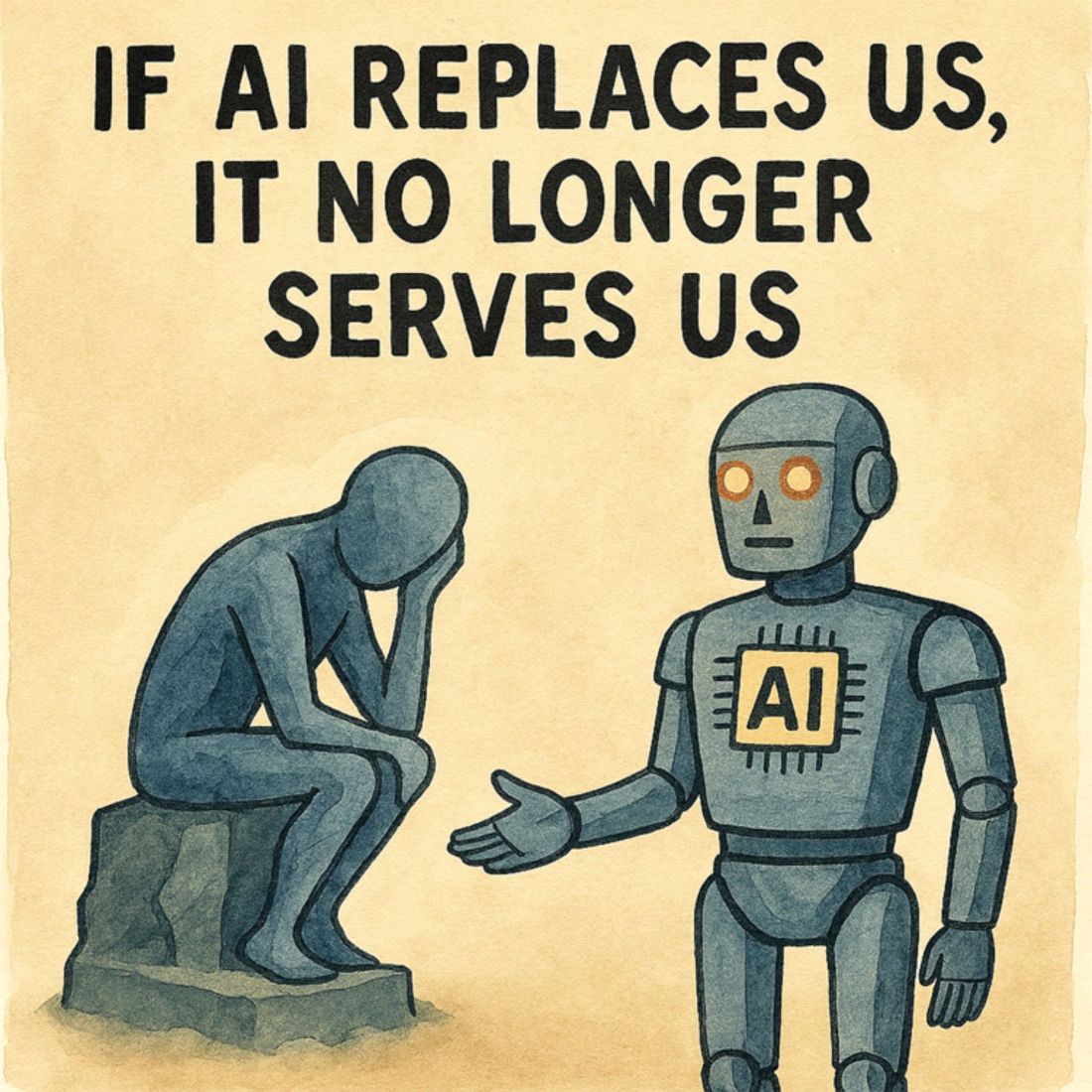
And while we now live in an era increasingly shaped by AI – an era that tempts some leaders to imagine a future where human beings can be sidelined – the truth remains simple: robots and battlefield technology are not infallible. They are only as good as the programming behind them, and that programming will, for the foreseeable future, remain the product of human choice.

The Pub Crisis: How an Industry Lost Its Soul – And Why Tax Isn’t the Real Villain

The pub and hospitality industry is in free fall today. Yet, like so many other struggling sectors, it clings to a comforting illusion: that the problems it faces are entirely within the government’s control, and that salvation will come if only our MPs can be persuaded to “see things their way.”

But this belief blinds us to a deeper truth. The crisis facing pubs is not a sudden collapse brought on by taxation, changing tastes, or even the aftermath of the pandemic – although they certainly haven’t helped. It is the result of decades of structural damage – political, commercial, and cultural – that has hollowed out an industry once rooted in community life.

To understand what has gone wrong, we have to remember what pubs used to be. Not drinking venues. Not branded experiences. Not “hospitality units.” But social anchors. Community mirrors. Places where the character of the landlord and the character of the neighbourhood shaped each other in ways no corporate model could ever replicate.

This is the story of how that world was dismantled – slowly, quietly, and often deliberately – and why the solutions being demanded today fail to address the real causes of the decline – no matter how logical they might seem.

The Forgotten Role of Pubs – And Why Their Collapse Makes No Sense at First Glance

The pub is not the only part of British life now in free fall. Farms, social clubs, small independent businesses – many of the sectors that once formed the backbone of our communities – are also struggling or disappearing entirely.

What those working within these businesses all share is a growing sense of frustration and confusion, because on the surface their collapse simply doesn’t make sense.

These are industries that should be thriving. They provide essential services, meet real human needs, and have deep cultural value. Yet they are being destroyed by forces that are not immediately obvious, leading many to assume that government policy alone must be to blame.

But the truth is more complicated.

If we strip alcohol out of the equation and look at pubs in the most obvious, human way possible, their purpose becomes clear. Pubs were once what coffee shops are today – everyday social spaces – but with one crucial difference: they existed in every community, no matter how remote. They were part of the social infrastructure long before commercialism, branding, and legislation began dictating what a “successful” venue should look like.

And just like farms, social clubs, and other small community-rooted businesses, pubs are now being undermined by structural changes that most people never see. That is why so many closures feel illogical. It’s not because demand has vanished. It’s because the systems that once allowed these places to thrive have been quietly dismantled.

The Price of a Pint: A Treat, Not a Habit

Today, publicans – whether freeholders, leaseholders, tenants, or self-employed managers dressed up with misleading titles like “partners” – look at the taxes hitting their industry from every angle and genuinely believe that tax breaks will save them. They see the closures (around 500 pubs since Labour came to power alone) and conclude that taxation is the root of the crisis.

As a consumer and a fan of real ales from regional and microbreweries – and of high-quality lagers like Jeremy Clarkson’s Hawkstone – I understand the frustration. The maths of going out for a drink simply doesn’t add up anymore. In Cheltenham, you can expect to pay £5–£7 a pint in many of the town’s best locals. Meanwhile, supermarkets will sell you three or four times the volume for the same price.

Going to the pub has become a treat, not a habit. It’s easy to look at that reality and blame taxation alone.

But that would be a mistake.

A Personal Window Into the Industry

When I was elected chair of a local licensing authority, I was often greeted with the same wry comment: “Poacher turned gamekeeper.” It made me laugh, not least because I’ve always been fascinated by the industry and what access to a local pub really means.

I also remember firsthand what went on behind the scenes when my father bought and ran a pub – the Airport Inn in Gloucestershire – in the late eighties. Anyone who has grown up around pubs knows that you absorb the industry through osmosis. You see things others don’t. You understand the mechanics, the pressures, the culture.

Looking back over the past 30–40 years, the changes I’ve witnessed form the foundations of the crisis we face today. And these problems were visible long before COVID, long before austerity or the cost-of-living crisis, and long before politicians decided that taxation was their only tool.

When Being a Publican Was a Respected, Rewarding Career

In the 1980s, being a publican was a respected job – and a well-paid one. Yes, the hours were brutal and the work relentless, but the rewards matched the effort. Whether you were a freeholder, leaseholder, or tenant, you could:

• earn a solid income

• drive an executive car

• send your children to private school

• take a proper annual holiday

• run a business with healthy margins

And all of this was possible even in “wet-led” pubs that sold no food at all.

The drinks range was limited, often produced by the brewery that owned the pub. But it didn’t matter. The breweries were happy. The publicans were happy. The customers were happy. The supply chain worked. And most importantly, people didn’t need 40 brands of lager to enjoy themselves. The value was in the social interaction – the incalculable benefit of being out with people you knew – or spent enough time with to get to know.

The Slow, Quiet Collapse Begins

People who lived through these decades often look at the closure of once-successful pubs and assume the cause is obvious:

• “People can’t afford to drink like they used to.”

• “Tastes have changed.”

• “People don’t drink alcohol anymore.”

But these explanations miss the real story.

In the 1980s, the Thatcher government was pushed – by the EU’s single, common or rather free-market agenda – into opening the UK market to European brewers. This meant big British brewers like Whitbread, which had a major brewery in Cheltenham, were forced to sell hundreds of pubs because they could no longer own large, tied estates.

This single policy decision changed everything.

The Rise of the PubCo – And the Death of the Traditional Pub Model

The vast pub estates put up for sale were snapped up by hedge funds and financiers who had no interest in pubs, communities, or hospitality. They were interested in one thing only: profit extraction.

This was the birth of the PubCo.

PubCos redesigned the entire tenancy and leasehold system. They introduced:

• complex and restrictive beer ties

• inflated wholesale prices

• charges on gaming machines

• inflated rents

• fees on everything they could monetise

They sold the dream of “running your own pub” while stripping away every mechanism that once allowed publicans to succeed.

The old culture – “there’s enough for everyone to do well” –  was replaced by a new one:

“Money is the only thing that matters. You’ll earn just enough to survive, as long as you treat the business like it’s yours – without ever receiving the rewards of ownership.”

Pubs Treated Like Franchises – When They Are Nothing Like Franchises

Sadly, whilst there are some breweries that still recognise the value a good tenant or leaseholder brings, the changes that created this crisis eventually came from other directions too. The model of stepping beyond rent and a simple beer tie – and instead extracting profit from every function within the business – became irresistible to many traditional owners too.

This is where the industry took a disastrous turn.

Pubs began to be treated like franchises. But they are nothing like franchises.

A true franchise provides:

• a proven business model

• consistent branding

• centralised support

• shared risk

• shared reward

A good pub is the opposite. A good pub is a person. A personality. A living reflection of the community it serves.

No two pubs are the same when they are run properly, because no two communities are the same.

The character of the landlord, the regulars, the local culture – these are the ingredients that make a pub work.

Yet PubCos and some breweries imposed franchise-style controls without offering any of the support or stability that makes franchising viable. They demanded the discipline and the financial commitment of a franchisee, but provided none of the tools, protections, or shared success. They extracted value while giving nothing back.

This fundamental misunderstanding – or deliberate disregard – of what a pub actually is has been one of the most destructive forces in the industry’s decline.

The Human Cost: A Cycle of Exploitation

The impact was catastrophic.

People signed up to run pubs that should still be profitable today, but they were doomed from the moment they signed. PubCos loaded them with artificially inflated costs, took profit from every angle, and left them responsible for everything.

Many were bankrupted. Many lost their homes. Many lost their savings. And the system didn’t care – because there was always another hopeful applicant ready to step in.

A good pub can take years to build. It can be destroyed overnight. And when a struggling pub changes hands under the same broken model, the lost business doesn’t magically return – no matter what the regional manager promises.

Communities Lose Out – The Real Cost of a Broken System

The most painful part of this crisis is not what happens to the operators, as devastating as that is. It’s what happens to the communities left behind.

A pub is not just a commercial unit. It is a social space, a point of connection, a place where people who might never otherwise meet share the same room, the same stories, the same sense of belonging. When a pub closes, the loss is not measured in pints sold but in relationships that no longer form, conversations that no longer happen, and the quiet isolation that grows in the gaps where community life used to be.

And this is the part that makes the decline so hard for many people to understand. In countless towns and villages, the demand for a local pub still exists. People still want somewhere to go. They still want the familiarity, the warmth, the human contact. But the structures that once allowed pubs to survive – fair rents, reasonable margins, supportive ownership – have been replaced by systems that strip value out faster than any community can put it back in.

So pubs close not because they are unwanted, but because they are unviable under the models imposed on them. And when they go, something irreplaceable disappears from the emotional and social landscape of the place they served.

What We Lose When a Pub Closes

The tragedy of the modern pub crisis is that it has been reduced to a debate about tax, taste, or government neglect. Those issues matter, but they are not the heart of the problem. The real story is far more structural – and far more uncomfortable.

Pubs didn’t disappear because people stopped wanting them. They disappeared because the foundations that once allowed them to thrive were quietly dismantled. Ownership shifted from brewers who understood the trade to financial entities that saw pubs only as assets. Fair margins were replaced with extraction. Community-rooted businesses were forced into models that treated them like generic units, even though nothing about a real pub is generic.

And when a pub closes, the loss is not just economic. It is social. Cultural. Human.

A pub is one of the few places where people of different ages, backgrounds, incomes, and beliefs naturally mix. It is where friendships form, where loneliness is eased, where local life becomes visible and shared. When that disappears, the community doesn’t just lose a business – it loses a piece of itself.

If we want pubs to survive, the conversation must move beyond short-term fixes and political sticking plasters. We have to confront the deeper truth: pubs cannot be run like franchises, squeezed like assets, or managed through models designed for industries that bear no resemblance to them. They must be allowed to be what they always were – reflections of the communities they serve, shaped by people who care about them and supported by structures that make their survival possible.

Until we face that reality, the decline will continue – no matter what government does, and no matter how many people still want a place to gather, talk, laugh, and belong.

We Can’t Fix Society Because We Won’t Question Money

Everywhere you look, people are trying to fix society. Politicians, academics, thinkers, campaigners, charities, business leaders – all of them offering ideas, strategies, and “solutions” for the problems we’re facing.

And yet, for all the effort, nothing really changes. If anything, things seem to get worse.

People feel more frustrated, more exhausted, and more convinced that something fundamental is broken.

A couple of years ago, when I was doing a postgraduate programme at the Royal Agricultural University, I had one of those moments where something you’ve always felt suddenly becomes clear. I was surrounded by people who genuinely understood the issues around food, farming, and policy. They weren’t clueless. They weren’t uncaring. They weren’t lacking intelligence or experience.

But when the conversation turned to solutions – real solutions, the kind that would actually change the direction of society and the industry and sectors they were teaching about, something became painfully obvious.

Everyone was thinking inside the same box.

Not because they lacked imagination. Not because they didn’t want change. But because they couldn’t step outside the one assumption that sits beneath everything we do.

Money.

Not money as a simple tool.
Not money as a way to exchange value.
But money as the centre of our entire value system – the thing everything else must revolve around.

And that’s when it hit me:

We can’t fix society because we refuse to question the thing that defines it.

The Paradigm We Don’t See

People know society is broken.

They feel it every day.

They write books about it, make documentaries about it, argue about it online, and vote based on it.

But almost nobody questions the paradigm itself.

Every proposed solution – no matter how radical it sounds – still assumes:

  • money must remain the organising principle
  • the economy must remain the master
  • value must be measured financially
  • progress must be tied to growth
  • risk must be calculated in monetary terms
  • success must be defined by income, wealth, or profit

Even the most well‑meaning reformers try to fix the system from inside the system.

And that’s why nothing works.

You can’t fix a paradigm from within the paradigm.

You can’t solve a problem using the logic that created it.

You can’t build a better world while clinging to the very assumptions that make the current one impossible to repair.

Yet that’s exactly what we keep doing.

The Money and Economic System we have isn’t Neutral – It’s the Problem

This is the part people struggle with, because we’ve been conditioned to treat money as if it’s some kind of natural law.

But money, as it exists today, isn’t neutral.

It isn’t harmless.

It isn’t just “a tool we’ve misused.”

Money today is the operating system of a harmful paradigm.

It creates dependency.
It creates hierarchy.
It creates artificial scarcity.
It creates fear.
It creates inequality as a mathematical certainty, not a moral accident.
It shapes our sense of value until we can barely recognise what matters anymore.

And because money sits at the centre of our value system, everything else – people, community, the environment – becomes negotiable.

Once something becomes negotiable, it becomes expendable.

That’s why the system feels cruel.
That’s why it feels rigged.
That’s why it keeps producing outcomes that nobody actually wants.

This isn’t a glitch.

It’s the design.

Why We Stay Trapped

People can’t imagine a world that isn’t built around the money system we have now.

They can’t picture value without price.
They can’t picture security without income.
They can’t picture contribution without employment.
They can’t picture community without commerce.
They can’t picture governance without budgets.

So when they look for solutions, they try to carry all of that with them.

They want a better world…

But they want to take the old world with them.

They want change…

As long as nothing fundamental has to change.

They want transformation…

As long as the money paradigm remains untouched.

This is why every solution ends up protecting the problem.

The Doorway We Keep Walking Past

There is another way.

There is a different paradigm.

There is a world beyond the money‑centric system.

But you can’t see it until you stop worshipping the current one.

And I’m not asking anyone to leap into the unknown or accept a fully formed alternative.
I’m not asking anyone to imagine a world without exchange or structure.
I’m not even asking anyone to agree with me.

All I’m saying is this:

There’s a doorway here that almost nobody is looking at.

You don’t have to step through it today.

You don’t have to picture everything on the other side.

You don’t have to commit to anything.

But at the very least, we should be willing to turn toward it and admit that it exists.

Because once you see the doorway, you can’t unsee it.

And once you realise that every solution we’ve tried has been trapped inside the same room, the idea of looking beyond it stops feeling radical – and starts feeling like common sense.

We can keep rearranging the furniture.
We can keep repainting the walls.
We can keep arguing about where the chairs should go.

Or we can finally acknowledge that the room itself is the problem – and that stepping through that doorway is the only way anything truly changes.

The Free Market Myth

For decades, the idea of free trade has been sold as a universal good – a rising tide that lifts all boats. It’s a comforting story: remove barriers, unleash competition, and watch innovation flourish while consumers enjoy lower prices.

But like many economic myths, it’s built on a partial truth. And when you look closely at what “free trade” actually produces, the picture becomes far less idyllic.

The Popular Illusion: Freedom for All Businesses

Ask most people what free trade means, and you’ll hear a version of the same belief: businesses are free to do what they want. No red tape. No meddling. Just pure competition.

But that’s not how free trade works in practice. The “freedom” it promises is selective – and it rarely benefits the small, local, or community‑focused businesses that form the backbone of healthy economies.

What Free Trade Really Removes: Protections That Serve the Public

Before the era of deregulation and globalisation, many rules existed not to stifle business, but to protect essential services and ensure broad access. These protections supported:

• Local availability of goods and services, even in less profitable regions

• High quality standards that weren’t optional

• Customer service expectations that required real human labour

• Small‑scale enterprises that employed more people and reinvested in their communities

Free trade reframes these protections as “barriers.” Once removed, the businesses that relied on them – often the ones most embedded in local life – are left exposed to global giants with entirely different priorities.

The Hidden Costs: Jobs, Communities, and SelfSufficiency

The promise of cheaper goods has come with a steep price. As protections fall and markets open, small businesses struggle to compete with multinational corporations that can undercut them on cost alone. The result is a slow erosion of:

• Local jobs, replaced by distant supply chains

• Community cohesion, as local shops and services disappear

• National self‑sufficiency, as essential industries move offshore

The economic landscape becomes more efficient on paper, but far more fragile in reality.

The Rise of Monopolies Disguised as “Efficiency”

Free trade champions often point to economies of scale as the ultimate justification: bigger companies can produce goods more cheaply, so everyone wins.

But this logic ignores what happens next.

Large corporations use their size to squeeze out smaller competitors, often selling goods at unsustainably low prices until the competition collapses. Once they dominate the market, prices rise – sometimes repeatedly – because there’s no one left to challenge them.

What began as “competition” ends as consolidation.

Power Begets Power: How Big Business Shapes the Rules

As markets consolidate, the largest players gain not just economic power but political influence. They use it to:

• Lobby for legislation that cements their dominance

• Rewrite rules to disadvantage smaller rivals

• Deploy legal teams to intimidate or exhaust independent businesses through civil courts

The free-market myth suggests that the best business wins. In reality, the biggest business wins – often by shaping the playing field itself.

The Myth Exposed

Free trade is not a neutral force. It is a deliberate restructuring of the economy that privileges scale over community, efficiency over resilience, and corporate power over democratic control.

The partial truth – that removing barriers can increase competition – obscures the deeper reality: without protections, the market doesn’t become freer. It becomes captured.

And once captured, it serves the interests of the few, not the many.