Writing about people, systems and the realities that shape our lives
Category: Wealth Inequality
Discussing the wealth divide, wealth inequality, the cost of living, the cost of living crisis, poverty, hunger, disadvantage, social exclusion, social mobility issues, being underpaid, unemployment,
The Basic Living Standard is a foundational guarantee that ensures every individual earning the lowest legal weekly wage can afford all essential costs of living—without falling into debt, relying on welfare, or turning to charity.
It defines the minimum threshold of financial independence, where core needs—such as food, housing, utilities, healthcare, transport, clothing, communication, and modest social participation—are fully covered by earned income alone. It also includes provision for savings, unexpected costs, and fair contributions to society.
This standard is not aspirational—it is structural. It affirms that full-time work at the lowest wage must equate to full dignity, autonomy, and security.
***
No food banks. No emergency loans. No skipped prescriptions or unpaid bills. Just a life that’s livable, sustainable, and free from poverty.
Everyone’s ability to work and be financially secure is vital to humanity, whereas accepting an unnecessary AI and Tech-Takeover that nobody genuinely needs will ultimately only benefit the few
The narrative now dictating to us that the Tech and AI Takeover is inevitable is tiring. Not least of all, because the whole idea that progress can and will only go one way is a myth.
Indeed, the myth that the AI and Tech Takeover is now inevitable serves only those who stand to benefit from everything being pushed this one, very specific and wholly unnecessary way.
Granted, many of us do feel that once technology has arrived and it is in our lives, there is no choice but to accept whatever the implications and outcomes of its arrival might be. Even when for increasing numbers of us it is beginning to become frighteningly clear that we and everything that we know may be about to be affected in some disastrous, life-changing way.
However, you may want to ask yourself, ‘Is this tech takeover, and what is going to change a voluntary choice that I am making?’
Did you consciously agree with the direction everything that touches your life digitally is now going?
Did you agree to changes that may quickly lead to you or people you know having no work or hope of ever getting another job?
Did you knowingly allow the parallel, digital universe and the role of arbitrary judgements about you and everything you are, do or can be, to walk in and begin the process of taking over each and every part of your life through the clever use of man-made codes which have been called algorithms?
So many of us fall into the trap of going along with the idea that jobs we know of today will no longer be required or even exist within perhaps just a matter of months because we are told that it represents progress and that the changes that the introduction of new AI-based technologies across life will be better for us all.
But when the narratives and words of politicians, tech gurus and influencers say all or everyone, just exactly who are they really referring to?
Are you going to benefit and in what way?
Are those benefits real, or are they just distractions that appear to make the very small and seemingly meaningless things that we do every day much easier?
Are those benefits really meaningful and long-lasting, or do they cover up how the small wins everything outside of us tells us we need actually covering up the real, long-term losses in our lives that unless we quickly wake up, we will never be able to replace?
Regrettably, few of us are even thinking about the impact and consequences of the changes that we have accepted for the simple reason that everything we have seen and experienced so far, whether it’s the way we shop, are able to access so much through apps or online, or are able to access whatever we believe we want in mere moments online, leaves us with the idea that AI and anything related to digital tech can and will only ever be good for us.
But what was wrong with the way things were two years ago; five years ago, or ten years ago, where the tech that we had in our lives or that we had access to was concerned?
Didn’t life work just as well, and perhaps in some ways that may seem unrelated even better then?
Have computers, smartphones and digital tech really benefitted our lives in the ways that we are led to believe? Or have they actually disadvantaged us and changed our lives in ways that make us very unhappy and create what for some are unmentionable problems, in so many other ways?
Technology and technological improvement or progress is a phenomenon that we must begin looking at in relation to ourselves, the people we care about and those who we have real face to face contact with, regularly within our communities; You know – people living in the real world that is OFFLINE!
Do we actually need a world where we and those people around us do not have jobs and cannot work, because a machine or different software systems can now do all the things that every person does at work, or once did?
Do those people who don’t have jobs really benefit from no longer having work?
Is the best use of AI and new technology to replace us? Or the best use of AI and new technology to assist us?
Surely there can be no doubt that the world around us would be a much better place to live and experience if everyone who can work, does work; and that in return for doing a full weeks work, they in turn receive enough money or remuneration of whatever kind to ensure that they can cover the cost or be able to secure all the basic essentials that give them independence, rather than a situation now evolving where the masses look like they are soon to be left behind.
Where is the drive really coming from for jobs to be lost and make it all seem necessary?
Who benefits from it appearing to be a foregone conclusion that ending jobs and mass redundancy is not a choice that is any of ours to decide?
What we can be sure of is it will not ultimately be people like you and me.
Technology and the advancement of technology and AI is like everything right across life that is being driven by the quest for greater and continuing profits, and the wealth, control, power and influence that quickly follows behind.
We don’t see it because we aren’t supposed to and that’s why what’s really changing underneath what we can see is actually leaving us, our communities and our humanity behind.
The choices being made about the way that new technology is being rolled out and used are not being made in the best interests of the masses. Because if they were, they would not be threatening to take away jobs and resulting in outcomes like the destruction of communities and to lives that it will bring.
If the purposes driving AI and new Tech were genuinely about improving life for all, the changes underway would not be beginning to impact us all negatively, just so that business owners, tech owners and those that benefit can elevate themselves in every way, whilst their actions and choices begin to leave everyday normal people like you and I behind.
Yes, the idea that all jobs, tasks and requirements could be met by machines, software and automation will sound appealing if it means that everyone can do and have whatever they might want without ever having to do a day’s work or lift a finger in effort, ever again.
But just how real do you or anyone that you know believe that idea to be?
Do you really think that the tech companies and those who control AI and digital technology are working day and night at an incredible pace to create a utopia where we all do nothing, pay for nothing, are given everything for free and have whatever we want in our lives without paying for it or working for it?
Wouldn’t we be seeing and experiencing signs of this great giveaway already, if they really were on the altruistic pathway to greatest giveaway to everyone else ever known?
The answer is that whoever and whatever is controlling all of this only has the benefits to themselves in mind. Or they would be happy for AI, for tech and the advancements that are available to be used only to improve life and working conditions for everyone, rather than them being imposed at the head of a revolution, deliberately hidden in plain sight, that is apparently set to leave the majority of the people across the world behind.
The narrative about the role of AI is a myth and the creation of a prophecy that can and will only become true, because we believe the narratives and respond to them as if they were already true. Not Because they are actually real and the AI takeover is as complex or on its imminent way to sentience or being genuinely all-knowing in any way.
The irony is that if we continue to believe the hype; continue to be fooled into thinking AI can and will do all we are being told it will, simply because we have been blindsided by the speed that it works and what we have seen it do so far, we will walk into an elephant trap where the masses will have made themselves irrelevant and we will soon be of no use to those who are controlling all of this and believe it is their right to exploit everything and the lives of all others, if it will help them to achieve whatever they want to do.
The advances in digital technology and Artificial Intelligence are just another step in a long-term process of centralisation and power transfer by design, where the power and Personal Sovereignty that all human beings should have the right to enjoy, has slowly but surely been stolen, but with our manufactured consent.
Our independence and personal power have been progressively eroded and transferred to organisations and people who have no idea who we are, what we do and know nothing about the communities and places where we live.
Yet they now find themselves on the cusp of being able to control every part of our lives and existence through the removal of our independence, making life dependent upon them and their system, which can and will only be able to exist because we have failed to question and reject the idea that this all represents progress for humanity.
Without change, the creation of a mass sub-class of people who can do nothing more than exist – if it is indeed possible for them to continue to do so – is now inevitable and the only way our subservience to this system and what it is dictating can take us.
To be clear, the AI Takeover and technology revolution that we are being conditioned to expect is not necessary. It is not legitimate at any level or in any way.
Technology and innovation should always be used to benefit the whole of mankind. Not just those who create it, own it, regulate it or pay for it, with money they would never have even had, if they had not first corrupted and manipulated the monetary and economic systems of the world so that it would appear to have legitimately gifted them everything that they now have.
Life and what it should offer every person was never meant to be this way.
Power over us all was never meant to be concentrated within the hands of just a few.
Centralisation, remoteness and the dehumanisation of every process and function that maintains and provides for life was never meant to be funnelled into the hands of others. People who will soon have the ability to choose whether other people live or die, based on using the digital chains that our own eagerness to have more of everything has unwittingly enabled them to wrap around a lot more than just our wrists.
Walking away from a system that puts money and the technology that enables it first, as the absolute priority before the masses of people is key to creating a different future. A good future for all, where everyone once again has the opportunity to be free, to be independent and to enjoy fulfilling the functions necessary to create and maintain a genuinely good life. All the time working together and collaborating only with those strictly necessary within our communities to provide everything that is essential for life in a real, localised world where everyone and everything can be trusted, because it can always be seen.
Simplicity of life; simplicity of governance; simplicity of business models and structures; simplicity of money and the systems that only administer it are key to improving every part of life and creating the equitable experiences and opportunities that only real justice, fairness and balance in everything can provide.
Yes, the technology we have certainly has its place.
But the place of tech is to help humanity; not replace it.
People need jobs more than anyone needs a Tech Takeover. Because we all need to function in the world; to contribute to it and to what we all need from each other collectively in some way, and then in return receive whatever we need that will at the very least meet all of our essential and basic needs, so that we can function and support those we care about without ever having to seek or become reliant upon help.
We must reject the use of AI, Tech and the takeover of real life by the digital universe.
We need to get back to basics with the prioritisation of businesses and business structures that are essential to life being sustainable and maintained locally.
Businesses that employ people need to be sized in such ways that mean everyone in every community has work to do and a contribution to make within a system where everyone who can work does work and receives everything they need to be functionally independent and therefore able to meet all their own needs.
Imagine the 21st century equivalent of the village green, where every essential and basic need for members of the community is met by small businesses dedicated to meeting just the needs of the people that everyone knows and meets face to face, pretty much each and every day.
Businesses that are and only ever will be big enough to provide services and goods to the people they serve as specialists in whatever it is that they do. So that customers always have the best experience possible for them to have, and the business itself prioritises just those needs and pays all of the staff and its working shareholders fairly and justly, ensuring that retail prices will never exceed an affordable relationship with what everything genuinely costs.
This scenario is not only possible. It has now become necessary, if we want to enjoy lives that are built around values and care for everyone, for our communities and the environment that supports us. Rather than pursuing a desperate path to make life and everything we ever do about whatever material wealth, possessions and power that we have.
Money, profit and everything that prompts and promotes the greed that underpins it are the real reasons for centralisation and the transfer of control.
There is no humane reason for any person to become impoverished by the implementation of any form of technology that isn’t being used purely for the benefit of humanity or the public good.
Each of us see the problems this country is facing from different points of view.
Whilst conversations about the crisis now unfolding with a range of different people would almost certainly deliver a range of common themes, the emphasis, value or meaning of each of them will almost certainly be different.
However, the one commonality, which isn’t about anything that we all have in common at all, would be the solutions that almost all of us will have based on our own world view, that in the bigger scheme of things, may be in no way similar at all.
Ironically, because so many of us have so many interpretations of the whys, hows and whats that have got us all here, and share them with what will be a relative few, we spend next to no time – if indeed any time at all, thinking about any of the common problems that we all really do share.
We certainly don’t think about the ways we can work together to create a better way of life for everyone and then how we get the leaders and mechanisms in place that will actually get us there.
The devil is in the detail
It really is no accident that the UK is in the kind of mess that it is. Because life has become so very complicated – and deliberately so.
The more detail, the more distracting and the more impossible a solution to just about anything might seem. Even to those amongst us who really can see that the status quo cannot continue and that no matter how bought into the things we like about the way we live – which we want to keep but don’t recognise that they are actually the part of the problem that’s making everything so impossible to fix – we really do need to snap out of the fixation with noise that’s doing none of us any good.
We must recognise that the things that work well for everyone and will work even better for everyone are much simpler than what we have been convinced we need.
It is inevitable that we will keep tripping ourselves up each and every time we think of the next step as being only about putting our own self-interest first.
Unfair, Unjust and Unworkable living, demonstrated best by Tax
Perhaps the best example of how we get lost and misdirected by the detail of what needs to change for us, rather than focusing on what needs to change so that it works for everyone, relates to the question of tax, taxation and everything else that means people like you and I are stumping up cash that we could often do with being able to spend, just so we can live without debt or in some cases rely on handouts or even food banks.
Yes, even framing the ‘tax issue’ this way will make some prickly – and that really is the point.
The UK Tax code is today thought to be over 21,000 pages and 10 million words long, giving everyone the distinct impression that the subject of how the bill for government action and delivery gets paid for (ostensibly on our behalf), needs to be tailored specially to everyone as if bespoke governance is the only kind of governance that’s really fair to everyone.
This is ‘The day when Britons stop paying tax and start putting their earnings into their own pocket’. Or alternatively, the final day of the year when every penny we’ve earned goes to the government – if we start counting on January 1st, which was this year (2025) calculated as being June 11th by the Adam Smith Institute.
The reason I’m using this figure isn’t to piss anyone off by drawing attention to the fact that as an average, we arguably all work for no other reason than to keep the wheels of government turning every year for at least 5 months.
I’m doing so because it may be the only way to look at the relationship all taxpayers have with the government in the same way. Given how easy it is to get sidetracked by the question of what everyone earns!
June 11th 2025 was the 162nd day of the year (as 2025 is not a leap year), and with 365 days in 2025, this means that in comparative terms, people are giving over 44% of their earnings (162 days divided by 365 days), before they can even begin to think about what they need to spend money on, in turn before anything that they might actually want.
For a moment, let’s forget the amount anyone is actually earning for themselves, as we know that some have considerably more than others, whilst many just don’t have anywhere near what it takes to live without struggling to make ends meet, and then take it as read that everyone is giving up 44 Pence in every Pound they earn (£0.44).
After realising just how much of everything we do have taken from wages and then what we pay for that includes some form of tax, it doesn’t take much to realise that government or rather the model of government that we have is simply unaffordable, unsustainable and that we must do everything we can to find a different and much better way to pay for the things that we share.
Regrettably, the complexity of rules and regulations supposedly there to benefit and protect us don’t stop at taxation.
One of the reasons that every part of life, that doesn’t already relate to the question of financial affordability in some way, seems so difficult or restricted, is because our freedoms and therefore our independence from the system and government are already being actively controlled in many different silent rules that have deliberately been put there using the excuses like health and safety, and protecting us or someone in some way.
Even if we aren’t actively being followed around by a police officer all the time the fact that we are aware of and abiding by these rules usually adds up to being the same.
Government isn’t what it should or was ever supposed to be
Whilst many would actually like to see the wealthiest in our society directly paying at least 44% of their income to the government to help run everything outside of our front doors, we still need to keep some perspective when it comes to the obvious question we will come back to in a moment about who pays and begin with the question, ‘Does government actually work?’
Government certainly functions. Even the deepest or most vocally critical of what government in the UK does will find it difficult to argue otherwise.
Because no matter the organisation or service that comes under the rather large umbrella of government, they all continue to do something. Even if they are not delivering what we might agree to be the correct results. And that’s the only reason it can be argued that it all works.
However, functioning and succeeding are not the same thing.
The time is long overdue that we all took a very hard and questioning look at every part of government and decided what, if anything, public services should or could be; just exactly where the scope and reach of government should end, and then and only then, what many believe to be the most important question of all, ‘How whatever government and the public sector does is paid for and by whom’.
Whilst it remains the case that there are services, infrastructure and even public facing roles that every modern society needs to be provided by the community, so that everyone can have universal experiences and opportunities which will always be the same, no matter who, where or what you are, the practical approach to not-for-profit service delivery – which this really should in almost all cases be, is not the same as the public sector and system of governance that we have today.
Every part of government and the public sector that we have today is focused on delivering (political) and therefore biased agendas which will inevitably advantage some people more than others in some way. Or is all about the jobs, terms and conditions for whoever the incumbent employees are who currently have the jobs.
There have always been politicians, officers and suppliers who for many reasons have chosen to advantage themselves in some way, if and where they failed to have the integrity to exercise their roles properly. And regrettably, it’s the position of trust we gave them all that enabled them to behave in such questionable ways.
Yet even more shocking reality that we all face today is that the whole public sector and everything that runs within it is now dysfunctional in terms of delivery in some of the most critical ways.
It has only been able to become this way because decisions have either been made (or not made) at the very top by people who really should have known better, and whose actions have allowed or facilitated everything that serves the public unwinding in this way.
Money before People
Regrettably, like so many areas of life today, the role of money – which stretches far beyond the scope of the tax question that we’ve already considered – is also the key element within the dysfunctionality of government and public services across the UK. Because the poor leaders that we have are obsessed with the idea that the only way any problem can and will be fixed is by having enough money to spend – no matter where it comes from, which is itself is these days even better for some politicians who dare not do anything which could restrict what they are already committed to spend.
Idealism and agendas cost a lot of money. Because their implementation requires the creation of systems, rules and infrastructure somebody wants but nobody needs.
The very perverse outcome from decades of government and the public sector serving itself, its people and whoever or whatever influences them, is that the changes that have been made in every way imaginable to support this are now costing too much for either the Taxpayer or government itself to sustain.
We have a VERY BIG problem. Because nobody in government or who wishes to form one either can or will be honest about the true depth and breadth of the mess that the UK is now in.
With Tax rises thought to be well on their way this coming Autumn, the reality that too many of us face is the 44% (or probably much more) that we are already contributing to this public sector black hole through so many of the things that we buy, pay for or earn, are set to keep going up.
All to cover the exploding costs of incompetence, waste and the furtherance of playing up to what are very dangerous egos. Because somewhere in amongst all of this the point has been lost that government does not and never did have the right to exist over the people that it was created to represent.
For any kind of government to be unrepresentative of the people it represents, would by its very nature and intended purpose mean that it represents someone or something else.
Money: The drug wrecking everything to enrich and empower the few
The way that money actually works, how it is controlled and worst but not least, how it is actually created at will, is the truth that sits behind everything bad, that few of us will willingly believe.
It’s much easier to believe that it is all good rather than even having the potential to be bad – even when almost everyone can see the destruction that money or the lack of it is causing to everyone in some way or form.
At the heart of the money tree and its root and branch system sits the mechanisms that supposedly fund government, but actually do so by doing everything to help grow the volume of money that is in circulation, so that the public spending – and the only way that politicians know how to get themselves out of trouble, can leverage ‘growth’ so that the entire shitshow can be hid.
Unfortunately for all of us, the exponential growth of the ‘money’ that has entered circulation, particularly since the responses of government to the Global Financial Crisis of 2008 and the Covid Pandemic of 2020, has wildly contributed to the inflationary spiral that accompanies such an expansion of available cash.
The creation of money that doesn’t relate to anything else like productivity or output devalues the money and incomes that normal people already have, as well as what they have the ability to earn.
It does so at breakneck speed whilst the real value of everything is funnelled towards those who control and benefit from what is a fully legal, legitimised but nevertheless completely corrupt system that appears real, because they have typically become millionaires and billionaires in the process.
Put simply, the lowest paid and most vulnerable now have zero chance of ever being able to earn enough to live independently of benefits, charity, debt or worse.
For as long as the money madness continues, the bubble containing all of those who are branded as being a drain on the system will rapidly continue to expand.
The leadership void or black hole
When a country has such shit, incompetent leadership, and has done for the period of time that the UK has, it wouldn’t be unfair for any of us to be asking, ‘How did we get them?’ and ‘How did they get to where they are?’.
However, as we all need to realise, very few of us do ask these questions or indeed any questions that are like them. And because we don’t, each time an election takes place locally or nationally, we are, as a majority, making the same mistakes over and over again.
We are chewing at the very same shit sandwich with the bits just wrapped differently with words, rosettes and faces – all hiding the same miserable self-interested and dangerously incompetent content that always delivers outcomes that are the same.
Because we have a very bad, self-destructive habit of going along with the idea that the political fairies come along and give us all a genuine choice at election time – as all good democracies surely would, we have not only accepted that government after government and council after council has worked on all of our behalf. We have also jumped into an elephant trap of our own making that tells us these same fairies will deliver the politicians to choose from at the next election, who will sort out and solve the very same mess that they and their own kind created (with a little help from their friends) in the first place.
Sadly, there are no exceptions to the reality that we must face that there are no real leaders in politics today.
The so-called leadership we see, and what the people we identify as leaders say, is much more likely to be aligned with us hearing and seeing whatever we need to fuel our own confirmation biases than it either is or ever will be about the solutions and outcomes that we might not be ready to hear about, but nonetheless actually need.
Victim or Victimiser: There is no longer an in between
As a society and culture, we are collectively suffering what might be the worst type of addiction of all. Simply because it is majority of us are addicted rather than the few.
Meaning that that same majority is completely out of touch with the realities of what that addiction does and will remain so, until the supply runs out – which is where all those who cannot afford to live independently within the current system have or are beginning to find out.
Money, or rather the way that money is used by those who control the system – and that means government and politicians, who are very much under their control too, has become the key factor in every equation and consideration in our lives.
The role of money and its reach has dehumanised everything to the point where money and the power, influence and control it is perceived to give at every level of life has become more important than the value of life and community itself.
Few realise just how their lives are completely at the mercy of the ability to spend, borrow and achieve the momentary of transitory hit that this money centric, Moneyocracy we inhabit demands of everyone and which is enforced by the barrage of non stop marketing and remote, typical digital pressure which comes at us constantly and demands that we all conform.
Money; what it does, what it can do and what it says about you is the qualification and gatekeeper that runs through every part of functional life and if you are in, you are in and if you are out, you really are all the way out and fully at the mercy of those who continue to be ‘in’.
The tragedy of the system is the ruthless and methodical way that human behaviour has been used against the masses by the few and the experts they pay who understand it.
The sweeties and trinkets that have been flowing towards for decades have only been bettered by what has appeared to be the endless ability to secure more and more credit to buy it with, all the time becoming more and more essential to secure as real earnings and wealth have been stripped by the printing of all this extra ‘pretend’ or non existent money that even relatively wealthy people have no chance of keeping up with.
The irony is that those of us who continue to believe we benefit from what the establishment is doing and therefore acquiesce or go along with it are – through our actions – making those who cannot the victims.
All for no better reason than this whole situation could not exist without the elites treating the masses as a resource that is not real. But is instead just like oil, coal, precious metals, forests, farms, land and even animals – and just something else for those who ‘own them’ to exploit.
We all need to contribute to what we share in life. But real life cannot continue if we are required to contribute everything we have
Whilst we must all accept it is correct for everyone to contribute to the upkeep and maintenance of the systems and infrastructure that serve us all, from the moment we step onto the pavement or road outside of our homes, what we share is not and never should become more important than the right to have a fully independent, functioning and self supported life experience.
The system that we have discussed is at breaking point and cannot continue as it has, or as it is today.
Those in charge don’t know how to do anything other than borrow or tax us. And as the system can no longer sustain the borrowing that idealism and agendas have made necessary, the current government are now looking at everything they can tax beyond everything they already do.
One way or another, the system is going to collapse. Because we are all living unsustainably in a system that itself is unsustainable and at the centre of which is a plague which is the absence of real leadership, replaced with what is instead no better than incompetent management that makes it the most unsustainable part of it all.
Real life and a money-centric economy are mutually exclusive outcomes
Government already costs us way too much – even at 44%.
That’s before we even begin to consider the work and additional value to public service that charities and other nonprofit organisations bring, that we are all in one way or another contributing to too.
The whole model of economics needs to be restructured and redeveloped so that it supports life, rather than feeding off it like the giant parasite that the financial system and the role that government plays in it now is.
A realistic level for everyone to contribute to ‘the community’ would be around 10% – without any form of exception for anyone.
We should also be considering the added requirement that everyone able to work also contributes the equivalent of 10% of their working time and the skills and experience they offer, to help make our communities, their governance and infrastructure work.
Thereby creating real buy-in and ownership for what we all share, whilst drastically cutting the scope and influence of an out-of-control sector, and the ballooning costs that are actually paying for lots of agendas snd idealistic ideas, but very little that is actually about people and certainly nothing that’s doing everyone equally any good.
The identity, qualification and process of finding good leaders
Good public leaders, public representatives and public servants, would not facilitate or contribute to the creation, implementation and furtherance of agendas, ideologies and idealism that doesn’t serve the genuine best interests of those who they have been elected, appointed or recruited to serve.
Yet we have been experiencing decades of exactly that. And we have no hope that this will change if we continue to rely on a system that needs to change giving us the leaders who will then do the right thing when it comes to the delivery of that change.
Contrary to accepted thought, we do not need money to play the role across society that it has been deliberately engineered to do.
Power and control are certainly not a gift that should be secured within the hands of a distant, faceless, unanswerable few who we will never meet and whether intended or not, are treating humanity as a resource and no better than a numbers game that they can do with as they like. All as if they are now, as the result of decades of manipulating the system and bending it to their will, the new gods of everything with everyone else’s destiny theirs and only theirs to decide.
The truth that few see is that the centralisation and push for remote control of everything that globalisation and everything that walks alongside it has been, has been the active and complete restructuring of our society and culture, so that nothing can or will work without the say so and direction of those who make all the decisions.
None of this was accidental. Locality, local relationships, local businesses, local supply chains, local decision making and everything that goes with it promotes sovereignty and independence. It encourages and grows a living environment and cultural model that is good for everyone other than those who want to advantage themselves and be in power or control.
Meanwhile, the downsides of centralisation and everything that goes with it are the for every one of us to see.
However, despite the various attempts, compelling rhetoric and highly credible narratives that work so well when playing up to the addiction for material living that we currently have, there is an alternative and much better alternative to running life and everything that we and our communities need. And the real upside of this real alternative is that it centres completely around putting normal people and our local communities back in control.
The fact that generations of political leaders and those they favour or are influenced by have misused and abused their position to create a system with faux legitimacy – simply by legalising immorality to make it appear moral and therefore unquestionable, doesn’t make it right. And it certainly doesn’t become right, just because those in power today continue to insist and behave as if it is so.
We have a legitimate right to hold power and control over our own destiny.
The power of collective decision making should sit as part of a new structure of governance within our communities, amongst people and representatives who we ourselves select and know we can trust.
A moral obligation arguably also exists to reset the entire system and the various devices such as money and the tools of governance the existing system uses, so that we once again bring the focus of everything in life back to people, to humanity and to creating the best kind of environment that we can to ensure that every person has the life experience that everyone – and not just a selective few should have.
However, nobody else will step up or step in to do this for us – no matter how compelling or necessary this might seem.
Whether addicted or not, the choice and the steps necessary to return power to people and to our communities, and with it the creation of a genuine democracy we can all trust and believe in, are ours and only ours to take.
Nobody in the public sphere today can or will do this. None of them will give us back the influence that is rightly ours. Because they all imagine themselves as leaders who can only lead by having absolute control over everyone and everything else.
We don’t have a roadmap agreed for the future.
But there are plenty of ideas we can share about the outcomes that will serve all of us equally well and in a balanced, fair and just way.
This is where the conversation should start.
The one thing we can be sure of is that real leaders do actually lead. But also know that it is real equality, balance, fairness and justice that applies equally to everyone where the pathway to everything good for everyone really starts.
Whilst so-called socialists and capitalists alike will continue to argue that their destination would have been different, until whoever is in power takes the rap for destroying everything at the time – and then the other tries desperately to convince everyone that there’s still time for them, just to be sure, the very perverse and somewhat disturbing truth that is now coming into our view of reality is that the direction of both left and right political thinking takes humanity to exactly the same place.
What all these ‘philosophies’ – the ideas of academics, thinkers, economists, industrialists, tech moguls, agitators, the aggrieved, life’s bitter victims, entitled shirkers, greedy and selfish bastards – have in common, is the centralisation of power into the hands of one or just a select few – who for whatever purpose intended – control everything, so that they can enjoy their own lives and positions more than anyone they see as different to themselves and therefore as being a threat.
Verging on enlightened thinking, as many will surely argue their heroes and inspirations to have written these works will have been, enlightenment doesn’t revolve around creating environments that centre purely on a beneficial vacancy at the top. Which the design of these solutions surely was the intention, resulting from whatever experiences the authors had themselves experienced up until the time of writing.
None of these accepted visionaries were wrong. Or at least they were not wrong in the sense that we all are the sum of our experiences and our position looking upon or perception of life in any given moment will be correct, for us personally, in terms of what those experiences have taught us and what we have therefore concluded that they should be, right up to that same moment in time.
Let’s face it. The world is a very shitty place to be. Whether you have nothing and cannot escape poverty because of the boot that rides rough-shod over you; or at the other extreme you are as financially wealthy as it is possible to be and all you quietly worry about is protecting yourself, your wealth and how you are going to accumulate even more.
The pain that hides behind our eyes hasn’t changed over decades and centuries in human time.
Yes, the surroundings, clothes, transport, technology and everything else may seem different. But the nature of the experiences we are all having on our different pathways are in relative terms very much the same.
Wherever we may sit across this spectrum, 200 or more years ago at the dawning of the Industrial Revolution or right now as we are being prepared for the AI takeover, we all have an idea of what the perfect world for us would be.
It is regrettable that only some of us find ourselves able to share those ideas and thoughts and have them taken seriously by enough others for them to be seen to matter – which itself doesn’t mean they are genuinely enlightened or of benefit to greater humankind.
It’s simply the case that even when complete idiots or utterly selfish bastards are heard, their thoughts and views are swallowed up like nectar by people who themselves have a back catalogue of difficult experiences that identify with what they read or hear.
They pick those ideas – those philosophies – up and run with them, no matter how twisted or damaging in the longer term they might be. Leaving ideas behind in the dirt that the chaos they unleash leaves behind to fester for years and possibly centuries, that would otherwise deliver for the good of everyone when implemented.
We must be clear that all the ideas and philosophies for the world, whether they fall under the socialist or capitalist umbrellas or not, are without fail just ideas and suggestions.
Whether well intended or not, these philosophies were all packaged with the pretense that they were the ingredients, nuts and bolts or technicalities of a model of the perfect working world, for all people.
As history has demonstrated only too well, the actions of those underneath these umbrellas lead to both the imprisonment and oppression of the masses under the yoke of world elites.
We are fooled into believing there is a difference in outcomes because one system gets straight to work by enforcing its ideologies on people and the systems of the world as it tightens its grip and pushes those who are left into the cage. Meanwhile, the other drugs everyone with every conceivable high that they believe they like, creating mass addiction to ways of living that mean there is little hope of sobriety for anyone who has bought in and become addicted, until the very heavy jail cell door will have already slammed shut behind us all.
Centralisation is the flaw in all of these philosophies. Because it is impossible to centralise every part of life, for every single person across every country and across the entire world, without life, values, happiness, health, wellbeing and all the mechanics of essential function and civic society collapsing in their wake.
The clever tools and devices used by capitalists, globalists and neoliberals are ultimately no different to the level-playing-fields, street revolutions and guns employed by communists and socialists to enforce and police their point.
The painful outcomes that these forms of idealistic thinking inflict upon the masses always have agendas behind them, and none of those paying the real cost of these ideological-turned-material crimes ever agreed to the world being run this way.
The elites and those behind all of this have of course been aided by technological advances and the many different ways that the world has opened up and the distances between us all have been bridged.
Yet the point has always and pretty much systematically been missed that humanity and our morality based values system do not need and never needed to change to keep up with the material changes in the world, which have always been about the things that appear to be important beyond and outside of people.
Indeed, the changes that have been made to our frameworks for behaviour have always been made to suit those in power, with influence and who are directly benefitting from those changes. Those who perceive that the only way they can benefit more is for the old ways or ways that benefit others with fairness and balance must be left behind. Because they will otherwise get in the way.
So, was there ever a point in history where humanity genuinely got the whole thing right?
There is good reason to believe not. Or that if that moment of genuine balance has ever existed so far, it was momentary and could only really have been so, because the opportunity didn’t actually then exist to end the self-interest, anger, frustration, greed and every other dark part of the human condition that drives generation after generation to ingeniously, creatively and ignorantly to exactly the same things over and over again.
We may not see it, nor appreciate nor even find value in the suggestion. But a centuries-long pathway of humanity being led and controlled by interests that are not in any way genuinely shared, has led us all to a place where those who have benefited from that control and the generations following behind them, can no longer maintain that control. Because the whole pathway is about to have gone too far, before that door can be slammed shut and the final adjustments to the oppressed fate of humankind can be made.
The intention underlying of all these ideologies was that everything and everyone would be controlled throughout the journey, until that control was necessary no more.
Yet the systems we have been conditioned into accepting, like the out of control value of money, the rules that are supposedly there to protect and help whilst they disadvantage us, and the process of making very intelligent people doubt themselves or force them to believe and support ideas which run contrary to common sense or that are completely untrue, have all contributed to a situation where many already know the world is out of balance. People know that whatever is behind all of this has gone too far.
Natural, universal, unspoken rules have always existed that require each and every one of us to have the freedom to learn, to grow and to develop if we so choose to do so.
Because of the persistent actions of these patriarchal few and those who have followed them, that freedom for everyone to learn grow and develop, no matter their background or position in life, no longer exists. Because the way the system of the world has been developed now means that many no longer have the opportunity to experience the personal sovereignty to which every man is entitled. No matter how, where or to whom they were born.
A collapse is coming. That collapse is already underway. We are all within it and experiencing it at subjective levels that keep us from the objectivity that would make it much easier to define.
The critical point that is now approaching will be the moment that something happens, that could be civil unrest, financial collapse, the extension of foreign wars, civil war or something else, when each and every one of us realises and accepts that we have a Choice. And that we no longer have to be passengers or passively accept whatever someone else has engineered to be our fate.
The curse of overcentralisation is the never-ending desire of those who are at the centre of that centralisation process to centralise even more. Simply because of the greater rewards and control that they believe it will bring.
The outcome of the overcentralisation is that nobody ever has enough of any of the things they really need. When in a world and time when we have so much available to everyone, this has become a first-hand tragedy for us all to experience indeed.
The only centre that we need and that we should ever seek is the community, locality and to share responsibility for everything amongst the people we see face to face and interact with each day.
This is real life that doesn’t come to us through media channels, digital technology or through rules that have been made by some name without a face.
This system is the only resource and ecosystem that we need to sustain us, that we need contribute to and that can be relied upon to create frameworks and governance for life that will always be in our best interests.
It is the only system that will provide and leave us with the genuine freedom necessary to enjoy every aspect of a good life, as the majority of us would want and like to experience.
The decision to make this change and embrace the power to do so is ours already, if we actually want it.
There is no need for hierarchies, for top-down systems and procedures, for political parties, financial markets and devices, globalised business and supply chains, or anything else that makes life cheaper. When life being cheapened any further is the very last thing that any of us need.
Local communities that are genuinely local and locality driven, and the ecosystems and self contained economies that they will create, offer us everything that we will need to have to experience valuable lives, where the basics and essentials are always in place.
Locality driven communities offer a system of governance meaning that no matter the life choices any one of us makes, we can all live independently of help – and therefore will not experience the forms of lack that are responsible for so many of societies social problems as their root cause.
The value of every one of us is exactly the same and nothing can change this.
No matter what we do, wear, what we have or how we are seen to be, not one of us should be positioned to advantage ourselves by disadvantaging others.
This is where the fundamental basis and genesis of a new world philosophy must be able to begin. One that is designed by us all for everyone rather than by a few who want everything controlled and for that control to be in the hands of one.
***
Over the past 3 years, I have been writing about the different aspects of what is happening; what is likely to happen and how we can all get from here to a much better place.
Whilst the rules and frameworks that govern a new world that will genuinely be of benefit to everyone, must be designed and agreed freely by us all, we still need an idea or vision of the outcomes that we can expect.
Our Local Future is a model for future life that I believe to capture this, which I would invite you to consider. Before someone else has considered and though out an alternative, that when the time has come to make the choice that is genuinely good for us, will instead steal that opportunity and take its place.
Whatever you do next, please remember to beware the many false prophets who are shouting the attractiveness of populism and anarchy now.
Don’t listen to those who tell you they are putting people first.
Keep watching for those who are doing so.
The only centre we need is within our communities themselves. Everything will make sense when everything important throughout our lives revolves around everything we can experience daily at first hand in this way.
Food Security is one of the key reasons that Foods We Can Trust is here.
Because of what Food Security means to me, what I understand it to really be and most importantly, how important I believe Food Security to be in respect of everyone – and that means us all.
However, like many things about Food today and indeed pretty much every experience that we share with others beyond ourselves and what’s very personal to us alone, Food Security can mean a lot of very different things. And that difference is already doing a lot of harm.
What does Food Security mean to you?
Before we continue, could I ask you to please take a moment to stop and think about what Food Security means to you.
Is it about the Food that UK Farms produce?
Is it about being sure there is always Food available to eat?
Is it knowing that you will always have a choice of Food and whatever you want to eat?
For you, Food Security and what it means to be Food Secure could be any of these. It could be any of these in a manner of speaking. Or what Food Security means to you could be something very different, and ALL of the options could still be correct!
The things that Food Security can and does mean
It is important that we recognise and accept that different perceptions of Food Security not only exist.
To some, their own view, or what someone else like the Government refers to or considers to be ‘Food Security’ is the only thing that it can be.
Unfortunately, having any fixed or accepted meaning for Food Security can be problematic when there is a version of Food Security that everyone accepts as being what Food Security means, and those who are controlling that narrative then abuse the trust that people place in the understanding those people have of that version of Food Security and then manipulate information, statistics and even the truth, so that it can be said that either you or the UK is ‘Food Secure’, even when you are not.
In a moment, I will talk about the version of Food Security which is the establishment’s ‘accepted’ term.
I will then discuss the version of Food Security that UK Farmers and Food Producers generally think of when they talk about it.
We will then move on to discussing what Food Security should really mean, to everyone.
The Establishment view: If people can eat, they have Food Security
The way that the establishment, politicians and government operate today is built around this idea or philosophical standpoint:
If people can eat, they are Food Secure
Yes, I understand that suggesting this will annoy different people and organisations who are doing great things in the Food sphere. Because very few of us actually believe that as long as people have a meal of some kind, that’s all Food Security is about.
However, if you consider what having a meal of some kind can and regrettably does mean for so many different people in so many different ways today, you will then begin to see how those who really have control over Food policy, have come to think about their priorities and obligation to the Public in this perhaps honest, but nonetheless very unhelpful way.
If you aren’t hungry, you don’t have a problem
It sounds brutal I know, and it really is.
But with the issues that Government is really facing today – and that means the things that are really going on, rather than what the media and the narratives would suggest we believe, politicians do genuinely believe that if everyone can eat, they have done their job – no matter where our Food comes from or the Food we are eating really is.
This means that all the initiatives about healthy eating, encouraging us to eat properly and even the talk about how important our Farms and Fishing are, are really just wishful thinking and it doesn’t really matter to whoever is in power if they come to nothing. Because the only problem for them will be if people have nothing to eat and then everything as we know it stops as a result.
Foodbanks are a very uncomfortable truth
What I have just written isn’t easy to read.
I wouldn’t be surprised if it makes people feel prickly at the thought that so many parts of government, the public sector and all the organisations that are championing positive messages about Food and what we eat, are currently championing a lost cause.
But if you really want to try to get to grips with what the real priority around Food Security for politicians, the government and the establishment really is, then considering Foodbanks and the need for them – which is disputed by many – will soon begin to tell you what that priority is. And it has very little to do with Food and the role that Food does or should play in our lives.
When I was studying at the Royal Agricultural University, I wrote a paper after researching Foodbank use today and compared their role in poverty today in relation to my own experiences of poverty as a child. It’s called ‘Is Poverty Invisible to those who don’t Experience it’, and the full version can be read by following the link immediately below:
The Farmer view: Food Security is about the Food that we Produce in the UK
Whilst Food Security is a much broader set of issues than many realise, the one version of Food Security that is perhaps easiest to understand and relate to is that too much of our Food comes from overseas and outside of the UK.
Please read my last post on Foods We Can Trust ‘Rationing and Health: The Surprising Benefits’, if you would like to explore this view of Food Security and what the risks of being dependent upon Food from Overseas can mean.
However, as you read through the detail of this Government Report, you may note that this figure relates to ‘Food by Value’, which sounds very much like a way of using statistical jargon to make the figure sound higher than it actually is.
Regrettably, this is the kind of language or political double-speak that people in power and authority use, knowing that it is the figure that members of the public will usually note, rather than the words that the figure has been deliberately wrapped with!
During the 2023-24 Academic Year, the figure that I was using for my research, reports and writing was 54%. I found sources that suggested that it was already as low as 52%. I have seen no evidence to suggest that the UK has increased the amount of Food that it produces for our own consumption during that time.
The amount of Food the UK produces and what we would all have available for us to eat in a time of national emergency where the Food Chain was impacted are two VERY different things.
The impact of the Global Food Chain
Because of the way globalism has affected Food Chains and that Food ingredients are sourced and often moved around as they are processed and manufactured to become the Foods that we often eat, it means that very few of the Farms we pass by each day or know of, actually produce Food that we could eat or prepare to eat straight away, if we found ourselves needing to buy from the Farmer direct.
Even if we accept the figure of 58% that the Government has used in its latest Food Security Report, to quantify the amount of Food that the UK produces itself, the actual figure that relates to Food Produced in the UK, that people living in the UK can actually then eat is likely to be much less. Because so much of the Food Produced across the UK goes into Food Supply Chains where it is nowhere near ready for our consumption or is otherwise transported overseas.
The figures being used are therefore an equivalent. Because we have to import the equivalent of the Food that is grown in the UK and then exported or used for other purposes – because that’s how it goes into the Food Chain, and what we actually eat comes back into the UK from overseas.
The reasons that many farms don’t grow or produce Food that is ready for us to eat are many. It may be as simple as the way we eat and prepare Food in the UK means that we don’t like certain cuts of meat. It could be that even though the UK has vastly rich reserves of Fish and Seafood, we don’t actually eat that much of it ourselves and most of it goes to Europe. Or it may be that the wheat and the flour it produces that makes the kind of bread that Supermarkets have made us all believe we all want to see on sale, is most easy to produce when it comes from overseas.
If it sounds confusing, it is. And it helps those who are benefiting from the way that the Food Chain works for it all to be very confusing too!
The bottom line is this:
If we had a crisis tomorrow and the UKs borders were shut down, meaning that no more Food could come in from anywhere overseas, it wouldn’t take long before we all experienced Food Shortages. The Food Producers and Farmers that we have in the UK would have to undergo massive structural and system changes, before they would even be close to being able to meet that need. There is no way that would be possible, overnight.
This is scary stuff I know. But its very real and there are parts of government and other organisations that are researching, studying and thinking about what they call Food Resilience, the whole time.
If you would like to look more closely, here is an interesting link:
(Please note that this is not a recommendation or endorsement)
The UKs Food Security is at MASSIVE risk, right now
If you’ve read this far, you may be beginning to see the picture of just how vulnerable the UK Food Chain is, and that within the Food Supply that we are eating from and have available to us, the priorities of those with influence over the Food Chain are not anything like what most of us would think.
We are NOT Food Secure, anywhere in the UK today.
With global uncertainty unfolding in the way that it currently is, we could easily find ourselves experiencing Food Shortages or perhaps even worse, at any time.
Even supporting our Farmers with the Food Production related issues as they see them is not as simple and straightforward as campaigns like that driven by No Farmers No Food and some of the Farming Advocacy Organisations would suggest.
A successful outcome to any of their current aims wouldn’t be as effective for any of us, as they are suggesting the changes in government policy that they want for themselves would be. Simply because with the if the priorities remain the same, many of the Farms affected by the policies which are in the spotlight aren’t producing Food that would be of any immediate use to us to counteract Food Shortages in a crisis, anyway.
So, what does, or rather, what should Food Security really mean?
What Food Security and being ‘Food Secure’ should mean
To be fair, part of the problem, when it comes to the meaning of Food Security and being ‘Food Secure’, is that the whole subject and all of the other subjects and public policies that the issue of Food Security links to, are VERY complicated. And in many respects, deliberately so.
That’s why it’s very easy to be convinced by any soundbite we hear or read that makes some version of Food Security and what being Food Secure means to someone else, easy to get behind.
If we were to distil Food Security and what it means to be Food Secure into the simplest terms possible, it would probably be something as follows.
Namely that we will be Food Secure and have Food Security when:
Everyone can choose to eat enough of the Foods that are Good for them and that will meet their genuine needs at every mealtime, without any experiencing fear of going without or not knowing where the next meal will come from.
However, even this is open to interpretation.
Food Security will regrettably continue to be vulnerable and at risk for as long as what it means to be Food Secure can be interpreted differently by different parties, in ways that are not actually wrong. From a certain point of view.
To overcome this problem, it is likely that we all need to at least review and, in all likelihood, moderate or change the way that we think about Food Security and what it is to be Food Secure.
With this in mind, the key ingredients that together provide Food Security are that the Food Supply is:
Reliable and NOT under Threat
Available
Accessible
Meets Nutritional Needs and Health Requirements
Affordable
I will now add a little more detail to each, so that they and how they each interact with each other as part of the Food Security equation will hopefully begin to make more sense.
Reliable and not under Threat
Food Security can and will only be achieved when the supply of Food for everyone is not at risk.
If we are Food Secure as a Country or perhaps at the Macro level, the Food Supply cannot and will not be compromised by anything that we and our own systems of governance cannot independently address.
Today, government figures suggest that we are reliant upon at least 42% of the Food that we consume coming from Overseas. That’s before we consider that of the remaining 58%, only a fraction of that figure represents Food that any of us could eat at any time.
IF there were a national crisis and the borders shut down, this would mean that even if two thirds (66%) of the Food We Need were available to us every day, year round, that would still mean that more than 22 Million People in the UK would have to go hungry, if the rest of the population were to continue eating the same meals as they do, today.
However, we also know that even this isn’t the real figure. Because of the way that the UK Food Chain and Food Production works.
The reality is that if we were to experience a real national crisis where no Food from overseas could be brought in, the UK only has enough food AVAILABLE for everyone for perhaps a few days, before Food Shortages would cut in and people of all kinds would start to go without.
Available
We will only be Food Secure when the Food We Need is always available, to everyone.
Being available to everyone means that there is no reason that the Supply of Food can be obstructed or held up by anything that is outside of the control of the person who needs to eat that Food, or the People around them who they know and can trust.
The factors that can make Food unavailable to some are:
Cost
Food is too expensive for some people to be able to afford to eat properly at every mealtime. And the retail values of all the Food we buy today are continuing to shoot up!
To be Food Secure, the Food We Need MUST be affordable in the sense that the price to buy or exchange something for that Food is realistic and the price has not been overinflated by something like greed, profiteering or another agenda of some kind.
Supply
For most of us, the Food we are able to eat today relates directly to the Food that is supplied to the shops, websites or other sources where we buy it.
If we cannot source the Food We Need, the supply is not functioning as it should, and we are NOT Food Secure.
If the only Food Supply that we can Access will provide us with ‘Food’ that isn’t healthy for us or that we can afford to buy (with the money we have available) then that Supply is also NOT Food Secure.
To be Food Secure, we must ALL be able to Access the Foods We can Trust, without having to choose from Foods that are not good for us, as a substitute.
Religion and Ideology
Regrettably, agendas, ideas and even religion can get in the way of us being able to Access Food that is available. Because ideological restrictions can easily prevent some from accessing that Food, because others have made a ‘conscious’ choice.
This is not a matter of saying that anyone who will not eat certain Foods because of a religious or philosophical viewpoint is wrong.
It is merely a fact that many of those same people then influence the Supply of Food around them, because of the choices that they themselves make.
The agendas of other people are also important to consider. In instances such as the political pursuit of Net Zero, the choices that politicians are making and some of the worlds billionaires are using their financial resources to impose, will lead to the supply of Foods We Need being restricted and potentially stopped, only because of the ideas that they wish to pursue.
We will only be Food Secure when no other person can influence the supply of the Foods We Need, simply because they have the power, influence or financial means to do so.
Greed and Profiteering
In my recent book ‘Who Controls Our Food Controls Our Future’, we unpicked the layers of the Food Chain onion to expose just how the Food Chain that brings most of the Food we all eat today, isn’t really about the Food We Eat at all.
The Food Chain today is ultimately all about money, profit and the power and influence that go along with an entire Food System that is being increasingly used as a tool of societal control.
People, Communities and entire Nations can and will only be Food Secure when they have complete control over their Food Chain and Food Destiny.
That means Food being all about the Food and what Food really means to People and Life, rather than the Food Chain being all about money, profit, influence and control, as it is now.
Accessible
We will only be Food Secure when the Food We Need is always Accessible.
Access literally means that we can access the Food We Need for every mealtime and that no matter where we are, what transport we have available, or what physical barriers might be in the way, these factors will never get in the way or stop us from eating as and when we might like or need to.
To put this in context, most of us can access one of the well-known supermarket brands across the UK, either by being able to travel to one of their stores, or by being able to make an online order that will then be delivered to our home or wherever we are, from there.
However, our Food Access is now limited to whatever the stores we are able to access actually sell.
Food Security will not exist until we are able to access the Foods We Need, whenever and wherever we need them to be.
Meets Nutritional Needs and Health Requirements
We will not be Food Secure until the Food that is Available, Accessible and Affordable, also meets all of our Nutritional Needs and Health Requirements – not matter what we may then personally choose to buy, prepare and eat from the Food that is available.
No matter how politically convenient it might be for politicians and the establishment to work on the basis that ‘Food is Food, no matter what the Food really is’ – whether deliberate or not, the truth is that Not all Food is equal in the Food Chain today, and the greater percentage of the Food that is Affordable to everyone, isn’t actually very good for us at all!
Affordable
Whilst we have already talked about Cost and the price of the Food that we buy, there is also a much bigger and perhaps even more alarming dimension to the issue or question of the Food that people can afford to buy. It relates to the issue of the Affordability of Food itself.
If people cannot afford to feed their dependents and themselves for reasons outside of their control that mean they don’t have enough money to buy the Foods they Need, they are NOT Food Secure.
Food Security for them, is unaffordable.
It is very easy for those who can get by each week to look unfavourably upon those who cannot and to assume that anyone who doesn’t have enough money for Food – either for themselves or themselves and their dependents – will have found themselves in difficulty through their own financial mismanagement. Or because they don’t work as much as they should.
Whilst this may of course be true for some, the number which it would be accurate to describe will be significantly smaller than many might imagine.
Indeed, the reason why many people today find themselves short and in need of emergency help like that provided by Foodbanks, is because a significant part of our society does not either earn or receive an income high enough – even for working a full working week – to cover the basic cost of living and to provide themselves with the basic essentials that are necessary today, just to stand still.
In October 2023 I wrote about what it genuinely cost to live as opposed to the rate of the National Minimum Wage and calculated that the difference between what those working a full-time 40hr week on the lowest legal wage and what it would actually cost to live without claiming benefits, help from charities (Foodbanks) or getting into debt, was at least £2.50 per hour or £100.00 per week.
Although the rate of the National Minimum Wage jumped to £12.21 in April of this year, there is no reason to believe that with inflation continuing to push up the cost of living as quickly as it has, that anything is really different for anyone on the lowest wages now.
Just as serious is the reality that life for many today revolves around credit.
Those with monthly payment commitments, including even those earning what many of us would consider to be very good wages, can easily find that a list of monthly outgoings that seemed very affordable at the time the commitments were made, can suddenly become an unaffordable burden. When even the smallest of changes – perhaps to utility bills, fuel or similar takes place, and payments are raised with those higher costs automatically taken from a credit card or bank account.
As food is one of the few things that most of us still pay for, as we go, it is easy to see how the disposable income left for Food and other essentials can very quickly disappear, pretty much as we are all still asleep!
Food Security and Income are inextricably linked
The reality is that Food Security at the personal or perhaps micro level, is inextricably linked with income levels and what it costs to live.
Because government doesn’t priortise the Food Chain and Supply of Food in the way that we all really should, Food has become an afterthought in far too many ways.
No serious steps have been taken to acknowledge and certainly not to make provision for the need for everyone to be able to access and eat enough of the Food We Need, without being dependent upon the help or intervention of others to get by.
Any government that doesn’t recognise and legislate to ensure that everyone who is able to work can earn enough to cover the costs of the basics and essentials they need on a basic wage, without benefits, charity or debt, is not fulfilling its obligations or responsibilities to society at all.
Until the Food We Need is affordable for everyone – no matter how ridiculous in today’s terms that might seem, we will NOT be Food Secure!
Truth vs Truths that serve someone else’s purposes
The Food Security question and getting to grips with Food Security and what being Food Secure really is, demonstrates just how easy it has become for those with platforms and influence to speak about a subject and mean one thing, whilst knowing that to everyone else, what they have said will be heard as something very different.
Both the Establishment (Inc. Government, political, big business in the Food Chain) and the U.K. Farming industry hold positions on Food Security which are arguably right, from a certain point of view or from a manner of speaking.
Both positions on Food Security, either when:
People have ‘food’ or
Food should be produced on Farms in the UK
are both correct.
But they are also only partial truths.
Like any good sales tactic, a partial truth – or a sales pitch that contains an element of truth that they know will make the whole narrative, story or line sound like the whole thing is true – and is often enough to make an argument that is otherwise utterly flawed sound compelling, because we have fallen into the trap of assuming the rest!
So yes, it is certainly correct to say that we all need to eat food and if we are fed, we will not be hungry. But if the food itself isn’t good for us, is unaffordable, could potentially do us harm or comes with strings attached, it will not be Foods We Can Trust.
Equally, if only the equivalent of what we all eat is produced or grown on Farms across the UK, but is nonetheless produced with chemicals or processes that cause harm in any way, or the food grown is itself transported overseas and replaced by food that comes from overseas so that the net equation says we are producing what we eat ourselves, that also isn’t Foods We Can Trust.
Where Food Security is concerned, Farmers cannot be victim and saviour at the same time
It is important to add that I am massively pro-UK Farming. I’m just not pro-UK Farming in the sense that the industry typically functions today.
Farming today is actually part of the Food Problem. Because it has become part of the global model that is causing all the problems with Food.
Farmers understandably want help and support from everyone. But what they really want is for the establishment to change its policies so that the way farming works today stays the same, but just works better – more realistically, but also more profitably for them.
What many in the industry have not recognised yet is that UK Farming is no longer seen as being necessary to an establishment that believes it doesn’t have a problem with the Supply of Food, as long as people are being fed – no matter what they are being fed with.
Meanwhile, the people – that’s us – who desperately need UK Farmers to see the bigger picture and step up in a very different way – will lose out twice as badly if UK Farming collapses and the establishment gets its way!
If you’d like to read ‘Who Controls Our Food Controls Our Future’, a copy is available online HERE.
If you’d like to understand more about the realities that underpin the differences between what we say deliberately or innocently, and what others hear, a read of the very interesting book ‘Words that Work – It’s not what you say, It’s what people hear’ by American Pollster Dr Frank Lunz may be worth your while.
Going round in circles
You may now feel the need to circle back to the ‘as long as people aren’t hungry’ backstop – which is where without good governance and leadership, the bigger Food picture and the importance of Food and the role it should be playing in our lives usually falls down.
We can accept what others tell us. Or we can be clear that we require Foods We Can Trust to be normal life for all.


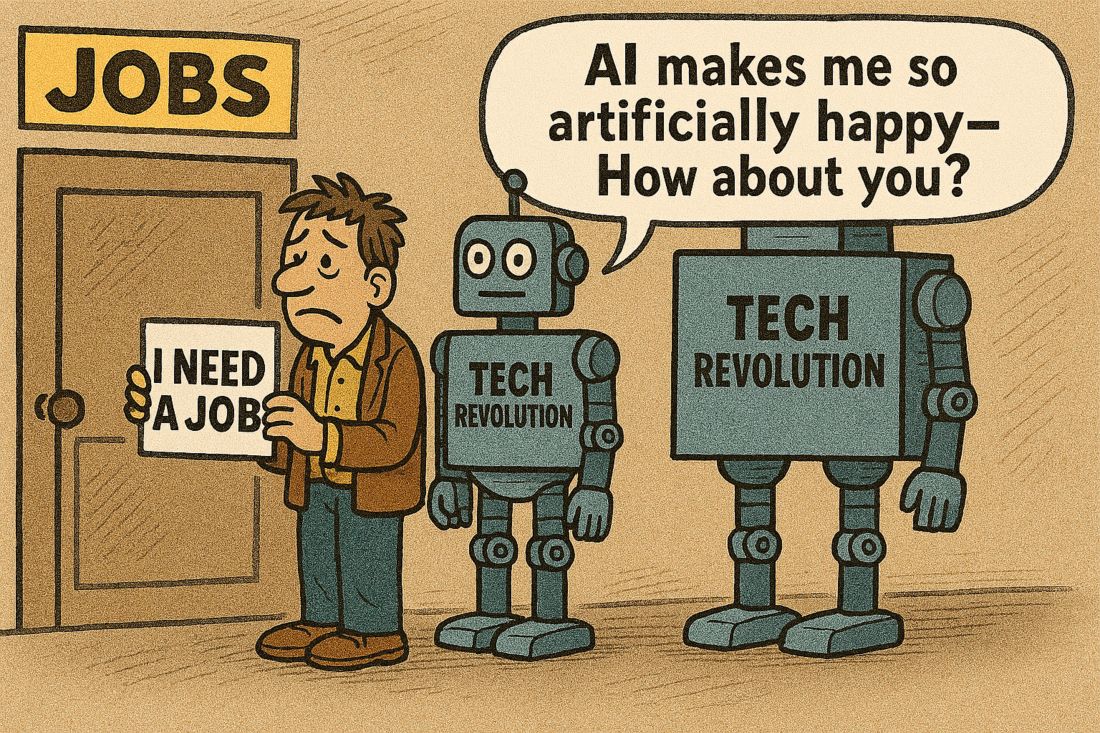


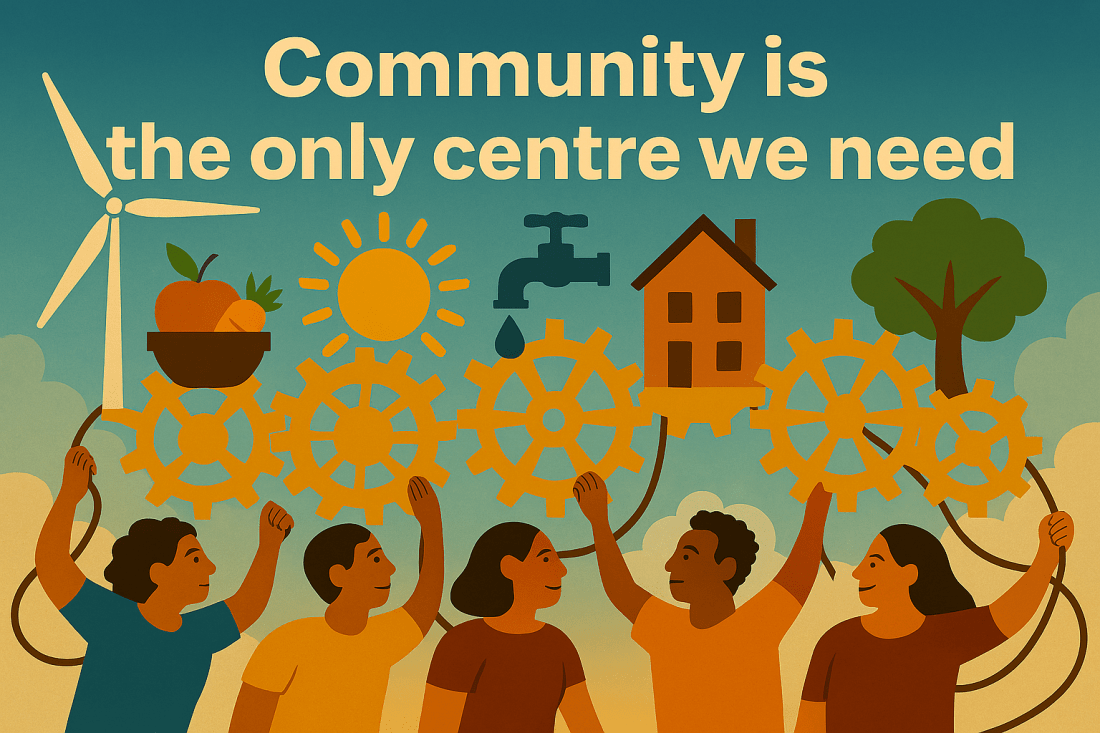
 Adam Tugwell