Selective morality in business and government is still self‑interest – and AI exposes that truth.
“Selective morality in business and government is self‑interest nonetheless.”
Selective morality in business and government is still self‑interest. You either act ethically in every instance, or you aren’t acting ethically at all.
Amid the fear, excitement, and confusion surrounding the rapid rise of AI, remarkably little attention is paid to the words and behaviour of the people driving it. Tech leaders tend to appear only when unveiling the next breakthrough, not when answering for the consequences of the last one.
Much of the public debate focuses on whether AI will destroy more jobs than it creates, and whether ideas like universal basic income could soften the blow.
Industry figures often speak as if a post‑work utopia is inevitable – a world where everything is paid for and nobody needs to labour. But this narrative conveniently ignores the obvious question: who funds such a system when millions, perhaps billions, are stripped of agency, purpose, and the ability to contribute?
We may be heading toward a future in which vast numbers of people have nothing to do, no way to regain independence, and no meaningful choices left.
The myth that AI will “improve life for everyone” is easy to sell while the technology still feels novel and addictive. But nobody has invested billions into AI for altruistic reasons. The motivation is profit, power, and control – and the benefits will not be evenly shared.
Some of those leading the charge may genuinely believe they are building a utopia. But intelligence is not morality, and we routinely mistake technical brilliance for ethical authority.
We make the same mistake in politics when we assume legality and morality are interchangeable.
Recent events have made this clearer. A major AI company publicly pushed back against the US government’s desire to use its systems for military purposes. Whatever one thinks about AI on the battlefield, the episode revealed something crucial: the industry can say “no” when it wants to. The idea that AI’s advance is unstoppable or outside human control is a convenient fiction. The people building these systems can halt or redirect progress – they simply choose not to when the consequences fall on everyone else.
I’m not opposed to technological progress. I’ve written about AI for years, and I believe it can improve human life in extraordinary ways. But the greatest danger is not sentience or runaway autonomy. It is the fact that AI is being built and steered by people whose incentives are profit and dominance, not human flourishing.
AI should exist to elevate human life, not to replace human purpose.
Yet those controlling its development are already choosing which impacts they want and which they don’t. Their occasional flashes of “morality” appear only when their own interests are threatened.
If genuine morality had guided AI’s development, we would already see clear safeguards, transparent policies, and protections against the harms we are now scrambling to address.
Instead, we see selective ethics deployed only when convenient.
Policymakers and tech companies share responsibility for what AI becomes. But morality applied only at moments of their choosing is not morality at all. It is strategy – and we should treat it as such.
Further Reading: Context, Consequences, and Control
The essays below expand on the central claim of this piece: that AI is not a neutral force, and that selective ethics – applied only when convenient – undermine both human dignity and democratic control.
Together, they form a coherent critique of technological inevitability, post‑work mythology, and the moral shortcuts taken by those shaping the AI future.
I. First Principles: Work, Human Worth, and Moral Limits
These pieces establish the ethical baseline: why work matters beyond income, and why technological capability does not equal moral justification.
This essay argues that work is not merely an economic function but a cornerstone of identity, agency, and social stability. It challenges the assumption that replacing human labour is an unqualified good, framing job displacement as a moral issue rather than a technical inevitability. It provides essential grounding for the claim that AI should serve human life, not hollow it out.
Building on the above, this piece confronts the “can therefore should” logic that dominates technology discourse. It draws a clear distinction between capability and responsibility, reinforcing the argument that ethical restraint is a choice – one that is currently being avoided rather than exercised.
This essay proposes a human‑first principle for automation: AI should supplement human effort, not pre‑empt it. It directly supports the central thesis that AI replacing human purpose is a failure of governance and values, not progress.
II. The Economic Myth: UBI, Abundance, and the Illusion of Care
These essays dismantle the comforting narrative that mass automation will be offset by generosity, redistribution, or effortless abundance.
This piece directly interrogates the promise of universal basic income as a solution to large‑scale job loss. It exposes UBI as a political placeholder rather than a structural answer, asking who truly benefits from a system where agency is removed and compensation replaces participation.
This essay challenges the faith placed in future benevolence from those currently accumulating unprecedented wealth through automation. It reinforces the argument that selective morality is strategic, not principled – and that promises of future fairness ring hollow when present injustice is ignored.
III. Power, Control, and the Fiction of Inevitability
These works expose how narratives of inevitability mask human decision‑making, profit incentives, and political convenience.
This essay strips away the rhetoric of progress to reveal the economic motivations driving AI adoption. It aligns closely with the claim that AI is not being developed altruistically, and that public benefit is often an afterthought rather than a design goal.
This piece broadens the lens from AI alone to systems of governance and infrastructure. It reinforces the idea that outcomes are shaped by power structures, not technology itself – supporting the argument that “unstoppable AI” is a narrative used to avoid accountability.
IV. Actions vs. Words: When Ethics Become Strategy
This final piece directly confronts performative morality and selective restraint.
Serving as a thematic bridge to the present essay, this work critiques public ethical posturing unaccompanied by meaningful change. It underlines the central warning of If AI Replaces Us, It No Longer Serves Us: morality applied only when convenient is not morality – it is strategy.
“Locality is the natural scale of human life. Everything else is a managed simulation.”
A Note from Adam
This essay sits within a wider body of work that includes The Local Economy & Governance System, The Basic Living Standard, The Revaluation, The Contribution Culture, Foods We Can Trust – A Blueprint’ and Centralisation Only Rewards Those at the Centre.
All of these pieces are attempts to describe something that should be obvious, but has become strangely difficult to see: that the world we live in today is not built on real life, but on layers of abstraction that have replaced it.
The tragedy – and the reason this work is necessary – is that when people are raised inside an abstract world, the real world begins to look abstract.
Locality looks naïve.
Community looks unrealistic.
Contribution looks idealistic.
Real food looks nostalgic.
Real governance looks impossible.
Real value looks imaginary.
Real life looks like a fantasy.
This inversion is not accidental. It is the predictable outcome of a system that has normalised distance, centralisation, and money as the organising principles of life.
When the abstract becomes normal, the real becomes suspicious.
People reject the very things that would make them healthy, grounded, connected, and free – not because they are wrong, but because they have been conditioned to believe that the real is impractical, inefficient, or outdated.
This rejection is not a rational act. It is a form of self‑harm.
It is the moment when a person turns away from the only scale of life that can sustain them – the local, the human, the grounded – and chooses instead the familiar discomfort of the abstract world.
This essay is written to break that spell.
It is written to help people see the abstract world clearly, perhaps for the first time. It is written to show how the real world has been hidden in plain sight. It is written to reveal why the real feels abstract, and why the abstract feels real. It is written to open the doorway back to a life that makes sense.
If the ideas inside this essay feel unfamiliar, strange, or even unsettling, that is not a sign that they are wrong. It is a sign of how deeply the abstract world has shaped our perception.
The work that follows – including LEGS, the Basic Living Standard, and the wider architecture of a local, human or people-first economy – is not an attempt to invent a new world.
It is an attempt to return to the only world that has ever truly worked.
A world where life is lived at the scale of human beings. A world where value is real. A world where community is lived. A world where food is understood. A world where governance is accountable. A world where health is natural. A world where meaning is visible. A world where people are whole.
This essay is the beginning of that return.
Stepping Out of the Abstract: Why This Essay Exists
We live in a world where almost everything that matters has been lifted out of daily life and placed somewhere distant, managed by people we never meet, shaped by systems we never see, and justified by narratives we never question.
This distance has become so normal that most people no longer recognise it as distance at all.
They mistake abstraction for reality because they have never known anything else.
This is the quiet tragedy of the money‑centric, centralised world:
When you are raised inside the abstract, the real begins to look abstract.
Locality – the natural scale of human life – begins to feel naïve. Community begins to feel unrealistic. Contribution begins to feel idealistic. Real food begins to feel nostalgic. Real governance begins to feel impossible. Real value begins to feel imaginary.
And because the abstract world is all we have been shown, many people reject the real world when they first encounter it – not because it is wrong, but because it feels unfamiliar.
This rejection is not a failure of intelligence.
It is a consequence of conditioning.
It is also a form of self‑harm.
Because the real world – the local, the human, the grounded – is the only place where health, meaning, agency, and freedom can genuinely exist.
This essay is written for the moment when people begin to sense that something is wrong, even if they cannot yet name it.
It is written for the moment when the abstract world stops feeling natural. It is written for the moment when the doorway to the real world becomes visible – even if only faintly.
It draws on the wider body of work – including Centralisation Only Rewards Those at the Centre – to show how the abstract world hides in plain sight, how it shapes our behaviour without our consent, and how it convinces us to reject the very things that would make our lives whole again.
This essay is not an argument.
It is an invitation.
An invitation to see clearly. An invitation to understand deeply. An invitation to step back into the real.
SECTION 1 – Life Inside the Abstract
Most people can feel that something is wrong with the world today, even if they can’t quite name it. There is a sense of disconnection running through everything – work, community, politics, food, even our relationship with ourselves.
Life feels harder than it should be. Nothing seems to add up. And yet, when we look around, the structures that shape our lives appear normal, familiar, even inevitable.
The truth is far more uncomfortable.
We are not living real lives anymore.
We are living in an abstract world – a world built on systems, narratives, and mechanisms that sit outside our direct experience, yet govern almost every part of it.
We have been conditioned to treat these abstractions as reality, even when they bear no resemblance to the lives we actually live.
We mistake the abstract for the real because we have forgotten what real life feels like.
Real life is local.
Real life is human.
Real life is experienced directly – through people, places, relationships, and the natural world.
But the world we inhabit today is mediated through layers of distance, bureaucracy, digital interfaces, centralised systems, and economic structures that most of us never see.
We live inside a world of processes we do not control, rules we did not write, and decisions made by people we will never meet.
We have been taught to believe that this is normal.
It isn’t.
It is simply the result of a system that has replaced lived experience with abstraction – and then convinced us that the abstraction is real.
This is why so many people feel exhausted, anxious, or powerless. It is why work feels meaningless. It is why communities feel hollow. It is why food feels fragile. It is why politics feels distant. It is why life feels precarious.
We are trying to live real lives inside an abstract world.
And the abstract world is collapsing.
To understand why – and to understand the alternative – we must first see the architecture of the abstract world clearly. Because once you see it, you cannot unsee it. And once you understand how abstraction has replaced reality, you begin to understand why the only real solution is to return life to the scale where humans actually exist.
That scale is the local.
And the system that makes that return possible is the Local Economy & Governance System (LEGS).
But before we can reach that point, we must first understand how the abstract world was built – and why it has taken us so far away from the lives we were meant to live.
SECTION 2 – How Abstraction Shapes Daily Life
One of the most important things we have to recognise – and perhaps the hardest – is just how much of the world we take for granted without ever questioning how it really works.
We assume that because something is familiar, it must also be real. We assume that because something is normal, it must also be natural. And we assume that because something has always been presented to us in a certain way, that way must be the truth.
But much of what we now treat as “real life” is nothing of the sort.
We are living in an abstract world – a world built on ideas, systems, and processes that sit far outside our direct experience, yet shape almost everything we do. And because these abstractions have been with us for so long, we rarely notice them. They hide in plain sight, precisely because we have stopped looking for anything else.
But the question itself reveals something much deeper.
Because we already have compulsory subjects in schools.
And yet almost none of them connect children to real life.
They are taught in the abstract.
They are delivered through textbooks, screens, worksheets, and exam specifications – not through lived experience. Children learn about the world through representations of the world, not through the world itself. They learn about life without ever touching life.
So when we say “make food education compulsory,” we are really saying “add food to the list of things we teach abstractly.”
We don’t even notice the contradiction.
We don’t notice that the very structure of schooling has become abstract – detached from the realities of life, detached from the skills that sustain us, detached from the communities we live in. We don’t notice that the way we teach children about the world is itself part of the problem.
We don’t notice because abstraction has become normal.
We have been conditioned to believe that learning happens in classrooms, not in fields, kitchens, workshops, or communities.
We have been conditioned to believe that knowledge comes from institutions, not from experience.
We have been conditioned to believe that the abstract version of life is the real one – and that the real one is somehow outdated, inefficient, or unnecessary.
This is how deeply the abstract world has embedded itself.
We no longer see the distance between the representation and the reality. We no longer see the gap between what we are taught and what we need. We no longer see that the systems we rely on are not built around life at all.
Food education is just one example – but it is the example that exposes the whole pattern.
Because food is not abstract.
Food is life. Food is local. Food is real.
And yet most people now understand food only through the abstract lens of supermarkets, supply chains, packaging, and price labels.
They understand food as something they buy, not something they grow, prepare, preserve, or share.
They understand food as a product, not a relationship.
So when we talk about teaching food in schools, we are really talking about teaching the abstract version of food – the version that fits neatly into a curriculum, not the version that sustains life.
This is the heart of the problem.
We are trying to fix the consequences of abstraction by adding more abstraction.
We are trying to reconnect people to real life through systems that are themselves disconnected from real life.
We are trying to solve a problem we have not yet recognised.
Because the problem is not that children don’t understand food.
The problem is that children – and adults – no longer live in a world where real life is visible.
We live in the abstract. We think in the abstract. We learn in the abstract. We work in the abstract. We eat in the abstract. We govern in the abstract.
And because abstraction has become normal, we no longer see what it has taken from us.
But once you begin to see it – once you notice how much of life has been lifted out of reality and placed into distant systems – you begin to understand why so much feels wrong, disconnected, or hollow.
You begin to understand why the sums no longer add up.
You begin to understand why people feel lost.
You begin to understand why communities feel empty.
You begin to understand why the world feels fragile.
And you begin to understand why the only real solution is to return life to the scale where it actually exists.
The local.
The human.
The real.
SECTION 3 – Food: The Evidence for Local Reality
If there is one place where the difference between real life and the abstract world becomes impossible to ignore, it is food. Food exposes the truth that sits beneath everything else:
Local is real. Local is healthy. Local is human.
Abstract is false. Abstract is unhealthy. Abstract is dehumanising.
Food shows us this more clearly than anything else because food cannot be understood in the abstract. You cannot learn food from a worksheet. You cannot respect food from a PowerPoint. You cannot understand food from a supermarket shelf.
Food is something you learn by living with it.
For most of human history, food was part of daily life. Children didn’t need lessons about food – they absorbed it simply by being present.
They saw seeds planted, animals cared for, bread made, meals prepared, leftovers preserved, and seasons change.
They learned respect for food because they saw the work, the patience, the skill, and the care that food requires.
Food was not a subject. Food was a relationship. Food was real.
And because food was real, it made life real.
It grounded people physically, mentally, emotionally, and socially. It connected them to nature, to community, and to themselves.
This is what locality does.
Locality makes life real.
Locality makes life healthy.
But today, food has been lifted out of daily life and placed into the abstract.
Most people no longer grow food. Most people no longer prepare food from scratch. Most people no longer understand where food comes from or what it takes to produce it.
Instead, food arrives through a system that is distant, centralised, and invisible. We experience food through packaging, branding, supply chains, and price labels. We “know” food only as something we buy – not something we understand.
And because food has become abstract, our relationship with life has become abstract.
We no longer see the soil. We no longer see the seasons. We no longer see the labour. We no longer see the community. We no longer see the meaning.
We see only the abstraction – and we mistake it for reality.
This is why the suggestion that food production should be compulsory in schools misses the point so completely. It assumes that the problem is lack of information. It assumes that the solution is more teaching. It assumes that adding food to the curriculum will reconnect children to real life.
But compulsory subjects are already taught in the abstract.
They are delivered through screens, worksheets, and exam specifications – not through lived experience. They are disconnected from the world they claim to describe. They teach children about life without ever letting them touch life.
So when we say “teach food in schools,” we are really saying “teach the abstract version of food.”
We don’t even notice the contradiction because abstraction has become normal.
But food refuses to be abstract.
Food exposes the lie.
Food reveals the truth.
Because food can only be understood locally.
Food can only be respected locally.
Food can only be lived locally.
And when food is local, life becomes local.
When food is real, life becomes real.
When food is part of daily life, people become grounded, connected, and healthy – physically and mentally.
This is the deeper truth hiding in plain sight:
Anything that is real must be lived locally.
Anything that is abstract becomes unhealthy – for people, for communities, and for the world.
Food shows us this with absolute clarity.
When food is local, people are independent.
When food is local, communities are resilient.
When food is local, life makes sense.
But when food becomes abstract, people become dependent.
Communities become hollow. Skills disappear. Respect disappears. Meaning disappears. Health – physical and mental – declines.
Food is the proof that abstraction is not just a philosophical idea.
It is a lived experience with real consequences.
And it is also the proof that the way back to a healthy, grounded, human life is through locality.
Because food cannot be centralised without becoming abstract. And life cannot be centralised without becoming abstract.
Food shows us the truth we have forgotten:
Local is real. Local is healthy.
Abstract is false. Abstract is unhealthy.
And once you see this in food, you begin to see it everywhere.
SECTION 4 – When Abstraction Disrupts Meaning
Once you begin to see how food reveals the difference between the real and the abstract, something else becomes clear: the reason so much of life feels confusing, unstable, or unhealthy today is because we are trying to live real lives inside systems that are not real.
When life is local, it is grounded.
When life is local, it is human.
When life is local, it makes sense.
But when life becomes abstract, it becomes distorted. It becomes stressful. It becomes unhealthy – physically, mentally, emotionally, socially.
And because abstraction has become normal, we rarely connect the dots.
We feel the symptoms, but we don’t see the cause.
We feel overwhelmed, but we don’t see the distance that created it. We feel powerless, but we don’t see the systems that removed our agency. We feel disconnected, but we don’t see how far we’ve been pulled from real life. We feel anxious, but we don’t see that the world we live in is built on instability. We feel lost, but we don’t see that the map we were given was abstract all along.
Food shows us this clearly.
When food was part of daily life, people understood the world around them. They understood seasons, weather, soil, animals, and the rhythms of nature. They understood effort, patience, and consequence. They understood community, because food required community.
This understanding created stability – not just physical stability, but mental and emotional stability too.
Locality grounds people.
Locality gives life shape.
Locality gives life meaning.
But when food becomes abstract, that grounding disappears.
People no longer understand the rhythms of life. They no longer see the connection between effort and outcome. They no longer experience the satisfaction of contribution. They no longer feel part of anything bigger than themselves. They no longer feel capable of providing for themselves.
This creates a deep, quiet anxiety – the kind that sits beneath everything else.
Because when the most essential part of life becomes abstract, everything else becomes abstract too.
Work becomes abstract – disconnected from purpose. Community becomes abstract – disconnected from place. Governance becomes abstract – disconnected from people. Value becomes abstract – disconnected from meaning. Identity becomes abstract – disconnected from reality.
And when everything becomes abstract, life stops making sense.
People feel like they are constantly running but never arriving. They feel like they are constantly working but never secure. They feel like they are constantly consuming but never satisfied. They feel like they are constantly connected but never seen. They feel like they are constantly informed but never understanding.
This is not a personal failing. It is the predictable outcome of living in a world that has replaced reality with abstraction.
A world where:
food is a product, not a relationship
work is a transaction, not a contribution
community is a slogan, not a lived experience
governance is a bureaucracy, not a responsibility
value is a price tag, not a truth
identity is a profile, not a person
A world where the things that should be local – food, work, community, governance, meaning – have been centralised, standardised, and abstracted.
A world where the things that should be lived have been turned into things that are managed.
A world where the things that should be experienced have been turned into things that are consumed.
A world where the things that should be human have been turned into things that are economic.
And because this world is abstract, it is unhealthy.
It is unhealthy for bodies. It is unhealthy for minds. It is unhealthy for communities. It is unhealthy for the environment. It is unhealthy for democracy. It is unhealthy for life.
Locality is not a lifestyle choice.
Locality is the natural scale of human existence.
When life is local, it becomes real again. When life is local, it becomes healthy again. When life is local, it becomes meaningful again.
Food shows us this. Food proves this. Food is the doorway into this understanding.
And once you see how food reveals the truth about locality and abstraction, you begin to see the deeper structure behind it – the mechanism that created the abstract world and keeps it in place.
That mechanism is centralisation.
And centralisation only ever rewards those at the centre.
SECTION 5 – How Centralisation Sustains Abstraction
Once you see how abstraction pulls life away from the local, the next questions become unavoidable:
Why has so much of life been lifted out of the local in the first place?
Who benefits from life becoming abstract?
And why does the system keep moving further away from the real?
The answer is centralisation.
Centralisation is not an accident. It is not a side‑effect. It is not an unfortunate by‑product of “modern life.”
Centralisation is the mechanism that makes the abstract world possible.
It is the structure that takes power, ownership, and decision‑making away from the local – away from the people who live with the consequences – and moves it upward, into the hands of those who benefit from distance.
And once you understand centralisation, you understand why the world feels the way it does.
Centralisation grows because abstraction feeds it
The money‑centric system we live in today is built on a simple equation:
Money → Wealth → Power → Control → Centralisation
Everyone understands the first step.
Even people with very little money know that money gives them more control over their own lives.
But as you move up the hierarchy, the dynamic changes.
Money no longer gives control over your own life – it gives control over other people’s lives.
And once that dynamic exists, centralisation becomes inevitable.
Because the more centralised a system becomes, the easier it is for those at the centre to extract value from everyone else.
Centralisation rewards the centre.
Abstraction hides the extraction.
Locality is the only thing that resists it.
This is why the system keeps pulling life away from the local.
Locality is real. Locality is human. Locality is healthy. Locality is accountable.
And centralisation cannot survive in a world where people live real, local lives.
Centralisation always removes the local – and replaces it with the abstract
You can see this pattern everywhere once you know what to look for.
Food used to be local. Now it is controlled by global supply chains, supermarket monopolies, and distant corporations.
Work used to be local. Now it is shaped by national policy, global markets, and corporate structures that have no relationship to the communities they affect.
Governance used to be local. Now decisions are made by people who will never meet those they govern.
Education used to be rooted in community life. Now it is delivered through standardised curricula designed far away from the children they are meant to serve.
Health used to be grounded in local knowledge, local relationships, and local responsibility. Now it is managed through centralised systems that treat people as data points.
In every case, the pattern is the same:
Centralisation removes life from the local and replaces it with the abstract.
And because abstraction is unhealthy – physically, mentally, socially, environmentally – centralisation always harms the people furthest from the centre.
Centralisation creates distance – and distance removes empathy
When decisions are made locally, they are made by people who see the consequences.
When decisions are made centrally, they are made by people who never do.
This is why centralised systems feel cold, bureaucratic, and indifferent.
It is not because the people inside them are bad.
It is because the structure itself removes the human connection that makes good decisions possible.
A policymaker in Westminster does not see the farmer whose livelihood is destroyed by a regulation. A supermarket executive does not see the community that loses its last local shop. A global corporation does not see the soil degraded by its supply chain. A distant official does not see the child who never learns where food comes from.
Centralisation makes harm invisible – and therefore easy.
Centralisation is the opposite of locality – and the opposite of health
Locality is real. Locality is grounding. Locality is healthy.
Centralisation is abstract. Centralisation is distancing. Centralisation is unhealthy.
Locality connects people to life. Centralisation disconnects people from life.
Food shows us this more clearly than anything else.
When food is local, people are healthy – physically and mentally.
When food is abstract, people become dependent, disconnected, and unwell.
This is not a coincidence. It is the structure of the system.
Centralisation only rewards those at the centre
This is the truth that sits beneath everything:
Centralisation always rewards the centre and always harms the local.
It cannot do anything else.
Because centralisation is built on extraction – the extraction of wealth, power, autonomy, and meaning from the many to benefit the few.
And the only way to maintain that extraction is to keep life abstract.
Because abstraction hides the mechanism. Abstraction hides the harm. Abstraction hides the loss of agency. Abstraction hides the loss of independence. Abstraction hides the loss of community. Abstraction hides the loss of health.
Once you see this, you understand why nothing will change until we stop living in the abstract and return life to the local.
And that is where the doorway opens.
Because if centralisation is the engine of the abstract world, then locality is the engine of the real one.
And LEGS is the structure that makes that return possible.
SECTION 6 – Locality: Where Life Becomes Real
Once you understand how abstraction pulls life away from the real, and how centralisation keeps everything abstract, the next truth becomes impossible to ignore:
Real life only exists at the local scale.
Everything else is a managed simulation.
This isn’t ideology. It isn’t nostalgia. It isn’t a romantic longing for the past.
It is simply how human beings work.
Locality is the natural scale of human life because it is the only scale where life can be experienced directly – through our senses, our relationships, our responsibilities, and our contributions.
Locality is where we see the consequences of our actions.
Locality is where we understand the world around us.
Locality is where we feel connected to something bigger than ourselves.
Locality is where we experience meaning.
Locality is where we experience health – physical, mental, emotional, social.
Locality is real. Locality is grounding. Locality is human. Locality is healthy.
And food shows us this more clearly than anything else.
Food proves that locality is the natural scale of life
When food is local, it is part of daily life.
You see it. You touch it. You smell it. You prepare it. You share it. You understand it.
Food becomes a relationship – not a product.
And because food is real, life becomes real.
People who live close to their food systems are more grounded, more resilient, more connected, and more mentally healthy.
They understand the rhythms of nature. They understand the value of effort. They understand the meaning of contribution. They understand the importance of community.
Local food systems create local understanding. Local understanding creates local agency. Local agency creates local resilience. Local resilience creates local freedom.
This is why every healthy society in history has been rooted in locality.
Not because people were primitive. Not because they lacked technology. But because locality is the only scale where life can be lived fully.
Abstraction destroys the grounding that locality provides
When food becomes abstract, life becomes abstract.
People no longer understand the world around them. They no longer feel connected to anything real. They no longer feel capable of providing for themselves. They no longer feel part of a community. They no longer feel grounded in place. They no longer feel secure.
This is why anxiety rises. This is why depression rises. This is why loneliness rises. This is why communities fracture. This is why people feel lost.
It is not because people have changed. It is because the scale of life has changed.
We are trying to live human lives inside systems that are not human.
Locality restores what abstraction removes
When life returns to the local, everything changes.
People begin to feel connected again. They begin to feel capable again. They begin to feel responsible again. They begin to feel valued again. They begin to feel grounded again. They begin to feel healthy again.
Locality restores:
meaning
agency
contribution
community
resilience
identity
belonging
stability
health
Locality is not small. Locality is not limiting. Locality is not backward.
Locality is the scale at which human beings thrive.
And this is the doorway into the next part of the argument:
If locality is the natural scale of life, then we need a system that is built around locality – not around centralisation, abstraction, or money.
We need a system that:
restores real life
restores real value
restores real contribution
restores real community
restores real governance
restores real independence
restores real health
This is where LEGS enters the picture.
LEGS is not an idea. LEGS is not a theory. LEGS is not an ideology.
LEGS is the practical structure that makes locality work – economically, socially, and politically.
And the first step in that structure is the Basic Living Standard.
SECTION 7 – The Basic Living Standard: Security for Real Life
If locality is the natural scale of human life, then the next questions are simple:
What stops people from living locally today?
What prevents people from reconnecting with real life?
What keeps them trapped in the abstract world?
The answer is fear.
Not dramatic fear. Not panic. Not terror.
A quieter fear – the fear of falling.
The fear of not being able to pay the rent. The fear of not being able to heat the home. The fear of not being able to feed the family. The fear of losing work. The fear of losing stability. The fear of losing everything.
This fear is the glue that holds the abstract world together.
It is the mechanism that keeps people compliant, exhausted, distracted, and dependent. It is the reason people stay in jobs that drain them. It is the reason people accept systems that harm them. It is the reason people tolerate centralisation, even when it destroys their communities. It is the reason people cannot step back into real life, even when they can see the doorway.
Fear is the invisible chain that binds people to the abstract world.
And that is why the Basic Living Standard exists.
The Basic Living Standard removes the fear that keeps people trapped in the abstract
The Basic Living Standard (BLS) is not a benefit. It is not welfare. It is not charity. It is not a safety net.
It is the foundation of a healthy society – the point at which survival is no longer tied to employment, and life is no longer held hostage by money.
The BLS guarantees that every person who works a full week at the lowest legal wage can meet all of their essential needs:
food
housing
heat
water
clothing
healthcare
transport
communication
basic participation in community life
This is not generosity. This is not ideology. This is not utopian.
This is the minimum requirement for a real life.
Because without security, people cannot live locally. Without security, people cannot contribute freely. Without security, people cannot think clearly. Without security, people cannot be healthy – physically or mentally. Without security, people cannot resist centralisation. Without security, people cannot step out of the abstract world.
The BLS removes the fear that centralisation depends on.
It breaks the coercive link between survival and employment. It breaks the psychological link between money and worth. It breaks the structural link between centralisation and control.
It gives people the ground beneath their feet.
The BLS makes locality possible again
Locality is not just a preference. It is a way of living that requires stability.
You cannot grow food if you are terrified of losing your home. You cannot contribute to your community if you are working three jobs to survive. You cannot learn real skills if you are constantly firefighting your finances. You cannot participate in local governance if you are exhausted by insecurity. You cannot build a real life if you are trapped in the abstract one.
The BLS creates the conditions in which locality can flourish.
It gives people the freedom to:
choose meaningful work
contribute to their community
learn real skills
participate in local governance
grow food
support neighbours
build resilience
live with dignity
The BLS is not the end of the journey. It is the beginning.
It is the point at which people can finally lift their heads from the grind of survival and see the world around them – the real world, not the abstract one.
The BLS restores the meaning of contribution
In the abstract world, work is a transaction.
In the real world, work is a contribution.
The BLS makes this shift possible.
When survival is guaranteed, people no longer work out of fear. They work out of purpose. They work out of interest. They work out of ability. They work out of connection. They work out of contribution.
This is the foundation of a healthy local economy.
Not competition. Not scarcity. Not extraction. Not centralisation.
Contribution.
And contribution only becomes possible when people are no longer trapped in the abstract world by fear.
The BLS is the first structural step back into real life
Locality is the natural scale of human life. But locality cannot function without security.
The BLS provides that security.
It is the point at which:
fear dissolves
agency returns
contribution becomes possible
community becomes real
locality becomes viable
centralisation loses its grip
abstraction loses its power
The BLS is the foundation of LEGS because it is the foundation of real life.
It is the moment where the abstract world begins to fall away, and the real world begins to reappear.
And once the foundation is in place, the next step becomes clear:
Food is the clearest example of how life has been lifted out of the real and placed into the abstract. But it is only the doorway. Once you step through it, you begin to see the same pattern everywhere.
Because the truth is this:
We are not just eating in the abstract.
We are living in the abstract.
Food simply makes the invisible visible.
When you realise that your relationship with food has become abstract, you begin to notice that your relationship with almost everything else has too.
Work has become abstract
Work used to be something people did for each other – a contribution to the life of the community. You could see the value of your work. You could see who it helped. You could see the difference it made.
Today, work is defined by:
job titles
performance metrics
compliance systems
productivity dashboards
wages
contracts
HR policies
Work has become a transaction, not a contribution.
You don’t see who benefits. You don’t see the outcome. You don’t see the meaning. You only see the abstraction.
And because work is abstract, it is unhealthy – mentally, emotionally, socially.
Value has become abstract
Value used to be rooted in usefulness, skill, care, and contribution.
Today, value is defined by price – a number that often has no relationship to the real worth of anything.
A handmade loaf of bread is “worth” less than a factory loaf.
A neighbour who cares for an elderly parent is “worth” nothing in economic terms.
A farmer who grows real food is “worth” less than a corporation that processes it.
Price has replaced meaning. Money has replaced value. Abstraction has replaced reality.
Governance has become abstract
Governance used to be local, human, and accountable.
Decisions were made by people who lived among those affected by them.
Today, governance is:
distant
bureaucratic
centralised
opaque
unaccountable
Policies are written by people who will never meet the communities they shape.
Rules are imposed by people who will never experience their consequences.
Governance has become abstract – and therefore unhealthy.
Community has become abstract
Community used to be lived.
It used to be physical. It used to be relational. It used to be local.
Today, “community” is:
a slogan
a marketing term
a digital group
a brand identity
a political talking point
People live near each other, but not with each other.
They share space, but not life.
They share information, but not responsibility.
Community has become abstract – and therefore fragile.
Identity has become abstract
Identity used to be shaped by:
relationships
contribution
place
experience
responsibility
community
Today, identity is shaped by:
job titles
income brackets
digital profiles
algorithms
branding
labels
Identity has become abstract – and therefore unstable.
Food is not the whole story – it is the proof
Food is the example that exposes the pattern.
Because food cannot be abstract without consequences.
Food cannot be centralised without harm.
Food cannot be disconnected from daily life without disconnecting people from life itself.
And once you see this in food, you begin to see it everywhere.
You begin to see that the abstract world is not natural. You begin to see that the abstract world is not inevitable. You begin to see that the abstract world is not healthy. You begin to see that the abstract world is not sustainable. You begin to see that the abstract world is not human.
And you begin to see why life feels the way it does.
Food is the doorway. But the destination is understanding the entire structure of the abstract world – and why we must leave it behind.
And that brings us to the next step:
If abstraction is the problem, and locality is the solution, then we need a system built entirely around locality.
That system is LEGS.
SECTION 9 – LEGS: Rebuilding Real Life
By now, the pattern is clear:
The abstract world is unhealthy.
Centralisation keeps life abstract.
Locality is the natural scale of human life.
The Basic Living Standard removes the fear that keeps people trapped in the abstract.
But recognising the problem is only half the journey.
The next step is understanding the structure that replaces it.
Because locality is not just a feeling. It is not just a preference. It is not just a philosophy.
Locality requires a system – a practical, grounded, human system – that allows people to live real lives again.
That system is the Local Economy & Governance System (LEGS).
LEGS is not an ideology.
LEGS is not a political programme.
LEGS is not a utopian dream.
LEGS is a design – a structure built around the natural scale of human life.
It is the opposite of the abstract world. It is the opposite of centralisation. It is the opposite of the money‑centric system.
LEGS is what life looks like when it returns to the local.
LEGS begins with a simple truth: people are the value of the economy
In the abstract world, value is defined by money.
In the real world, value is defined by people.
LEGS restores this truth.
It recognises that:
people create value
people sustain communities
people maintain the environment
people are the economy
Money is not the centre.
People are.
This single shift changes everything.
Because when people are the value, the economy must be built around people – not the other way around.
LEGS restores the natural relationship between people, work, and community
In the abstract world, work is a transaction.
In the real world, work is a contribution.
LEGS makes this shift possible by:
removing fear through the Basic Living Standard
grounding work in the needs of the community
recognising contribution in all its forms
ensuring that work is visible, meaningful, and connected to real life
Work becomes something you do with your community, not something you do for a distant system.
This is how work becomes healthy again – mentally, physically, socially.
LEGS restores locality to the centre of economic life
The abstract world depends on distance.
LEGS depends on proximity.
It brings:
production
exchange
governance
responsibility
contribution
decision‑making
back to the scale where life is actually lived.
This is not small. This is not limiting. This is not backward.
This is the scale at which human beings thrive.
LEGS makes food local again – because food is the anchor of real life
Food is not the whole story, but it is the centre of the story.
Because food is the one part of life that cannot be abstract without consequences.
LEGS restores:
local food production
local food processing
local food exchange
local food skills
local food resilience
Food becomes part of daily life again – not a distant system controlled by people you will never meet.
And when food becomes local, life becomes local.
LEGS restores governance to the people who live with the consequences
In the abstract world, governance is distant and unaccountable.
In the real world, governance is local and human.
LEGS replaces:
hierarchy with participation
bureaucracy with responsibility
distance with proximity
abstraction with lived experience
Decisions are made by the people who live with the outcomes – not by distant institutions.
This is what real democracy looks like.
This is what real accountability looks like.
This is what real community looks like.
LEGS is not a theory – it is a practical system built on natural principles
LEGS works because it is built on the same principles that have sustained human life for thousands of years:
locality
contribution
reciprocity
transparency
shared responsibility
community
stewardship
human scale
These are not political ideas.
These are human truths.
LEGS simply gives them structure.
LEGS is the system that replaces the abstract world
The abstract world is collapsing – socially, economically, environmentally, psychologically.
LEGS is not a reaction to that collapse.
LEGS is the alternative that makes sense once you understand why the collapse is happening.
Because LEGS is:
local where the abstract world is centralised
real where the abstract world is false
human where the abstract world is mechanical
healthy where the abstract world is harmful
grounded where the abstract world is unstable
meaningful where the abstract world is empty
LEGS is not the future because it is new.
LEGS is the future because it is natural.
It is the structure that allows people to live real lives again – lives that are grounded, connected, meaningful, and healthy.
And once you see the abstract world clearly, LEGS stops looking radical.
It starts looking obvious.
SECTION 10 – The Revaluation: Seeing the Real World Anew
There is a moment – sometimes sudden, sometimes gradual – when the abstract world stops feeling normal.
A moment when the distance, the confusion, the instability, the disconnection, the exhaustion, the sense that life is happening somewhere else finally becomes visible.
A moment when you realise that the world you have been living in is not the real world at all – it is a constructed world, an abstract world, a world built on distance, centralisation, and money.
That moment is the beginning of The Revaluation.
The Revaluation is not a policy.
It is not a programme.
It is not a political movement.
The Revaluation is a shift in perception – a change in how you see value, meaning, contribution, community, and life itself.
It is the moment when you stop accepting the abstract world as inevitable, and begin to see it for what it is: a system built on distance, dependency, and fear.
And it is the moment when you begin to see locality – real life – again.
The Revaluation begins when you see the abstract world clearly
For most people, the abstract world is invisible because it is normal.
We grow up inside it. We are educated inside it. We work inside it. We consume inside it. We are governed inside it.
We mistake the abstract for the real because we have never known anything else.
But once you see the pattern – once you see how food has become abstract, how work has become abstract, how value has become abstract, how governance has become abstract – you cannot unsee it.
You begin to notice the distance everywhere.
You begin to notice the disconnection everywhere.
You begin to notice the centralisation everywhere.
You begin to notice the harm everywhere.
This is the first stage of The Revaluation: seeing clearly.
The Revaluation deepens when you understand what locality really means
Locality is not small. Locality is not nostalgic. Locality is not backward.
Locality is the natural scale of human life.
It is the scale at which:
meaning is created
relationships are formed
contribution is visible
responsibility is shared
governance is human
food is real
work is purposeful
value is grounded
identity is stable
health is supported
Locality is not a political idea.
Locality is a human truth.
And once you see locality clearly, you begin to understand what has been taken from you – and what can be restored.
This is the second stage of The Revaluation: understanding deeply.
The Revaluation becomes real when you recognise your own place in it
The abstract world teaches people to feel powerless.
It teaches people to believe that change is something done by others.
It teaches people to believe that systems are fixed, permanent, immovable.
But once you see the abstract world clearly, and once you understand locality deeply, something else happens:
You begin to feel your own agency again.
You begin to feel your own value again.
You begin to feel your own contribution again.
You begin to feel your own connection again.
You begin to feel your own responsibility again.
You begin to feel your own humanity again.
This is the third stage of The Revaluation: reclaiming yourself.
The Revaluation is the bridge between the abstract world and the real one
The Revaluation is not the end of the journey. It is the beginning.
It is the moment when:
the abstract world becomes visible
the real world becomes imaginable
locality becomes desirable
centralisation becomes unacceptable
fear becomes unnecessary
contribution becomes meaningful
community becomes possible
LEGS becomes obvious
The Revaluation is the shift in consciousness that makes the return to real life possible.
It is the moment when the reader – without being told – begins to feel:
“I want to live in the real world again.”
And that is the doorway into the final section.
Because once you see the abstract world clearly, and once you understand locality deeply, and once you recognise your own agency, the next questions become simple:
What does a real life actually look like?
And how do we build it?
That is where we go next.
SECTION 11 – What Local Life Truly Means
By now, the shape of the truth is visible.
You can see the abstract world for what it is: a system built on distance, centralisation, and money – a system that disconnects people from the real, from each other, and from themselves.
You can see how food exposes the pattern – not because food is the whole story, but because food refuses to be abstract without consequences.
You can see how centralisation maintains the abstract world by removing life from the local and placing it in the hands of people who never experience the outcomes of their decisions.
You can see how locality is the natural scale of human life – the scale at which meaning, health, contribution, and community become possible again.
You can see how the Basic Living Standard removes the fear that keeps people trapped in the abstract world.
You can see how LEGS provides the structure that allows real life to function again – economically, socially, and politically.
And you can see how The Revaluation is not a policy or a programme, but a shift in consciousness – the moment when the real world becomes visible again.
So what does a real, local, human life actually look like?
It looks like this:
A life where food is part of daily experience, not a distant system
You know where your food comes from. You know who grew it. You know how it was made. You know what it means.
Food becomes grounding again – physically, mentally, emotionally, socially.
Food becomes a relationship, not a product.
Food becomes the anchor of real life.
A life where work is contribution, not coercion
You work because you want to contribute, not because you fear falling.
You see the impact of what you do. You see who benefits. You see the meaning.
Work becomes human again.
Work becomes visible again.
Work becomes part of community life again.
A life where value is real, not abstract
Value is no longer defined by price.
Value is defined by usefulness, contribution, care, skill, and meaning.
A neighbour who helps an elder is valued. A farmer who grows real food is valued. A craftsperson who repairs what others throw away is valued. A parent who raises children is valued.
Value becomes grounded again.
A life where governance is local, human, and accountable
Decisions are made by people who live with the consequences.
Governance is not distant. Governance is not abstract. Governance is not bureaucratic.
It is participatory. It is transparent. It is relational. It is human.
This is what real democracy looks like.
A life where community is lived, not imagined
Community is not a slogan.
It is not a digital group. It is not a marketing term.
Community is the people you see, speak to, help, support, and rely on.
It is the people who share responsibility with you. It is the people who share the place with you. It is the people who share life with you.
Community becomes real again.
A life where identity is grounded, not constructed
Identity is no longer defined by job titles, income brackets, or digital profiles.
Identity is shaped by:
contribution
relationships
place
responsibility
experience
community
Identity becomes stable again.
A life where health is supported by the structure of daily living
Locality reduces stress.
Contribution reduces anxiety.
Community reduces loneliness.
Real food improves physical health.
Real relationships improve mental health.
Real responsibility improves emotional health.
Health becomes a natural outcome of real life – not a service purchased in the abstract world.
A life where the environment is cared for because people live close to it
When life is local, the environment is not an idea.
It is the place you live. It is the soil you depend on. It is the water you drink. It is the air you breathe.
Money does not dominate. Money does not accumulate. Money does not control.
Money becomes what it always should have been: a tool for exchange, nothing more.
A life where fear no longer dictates behaviour
The Basic Living Standard removes the fear of falling.
And when fear disappears, something else appears:
agency
dignity
contribution
creativity
responsibility
connection
meaning
Fear is the foundation of the abstract world.
Security is the foundation of the real one.
A life where the abstract world finally loses its power
Once you see the abstract world clearly, it stops feeling inevitable.
Once you understand locality deeply, it stops feeling small.
Once you recognise your own agency, you stop feeling powerless.
Once you see LEGS, you stop feeling trapped.
And once you experience even a glimpse of real life – grounded, local, human – the abstract world begins to feel as strange as it truly is.
This is a doorway
This essay is not the whole journey. It is a doorway.
It is the moment where the abstract world becomes visible, and the real world becomes imaginable.
It is the moment where you begin to see that the life you have been living is not the only life available.
It is the moment where you begin to understand that locality is not a step backward – it is the only step forward that makes sense.
It is the moment where LEGS stops looking radical and starts looking obvious.
It is the moment where The Revaluation begins.
And once you step through this doorway, the rest of the work – the deeper structures, the practical mechanisms, the full system – are waiting for you.
Not as theory. Not as ideology. Not as abstraction.
But as the architecture of a real, local, human life.
Closing Reflection
When the Real World Stops Looking Abstract
If you have reached this point, something important has already happened.
You have seen the abstract world clearly enough to recognise its shape.
You have seen how distance, centralisation, and money have replaced the real with the artificial.
You have seen how food reveals the pattern.
You have seen how locality restores what abstraction removes.
You have seen how the Basic Living Standard and LEGS make real life possible again.
But more importantly, you have felt something shift.
The real world – the local, the human, the grounded – no longer looks abstract.
It no longer looks naïve. It no longer looks unrealistic.
It looks obvious.
This is the beginning of The Revaluation – the moment when the real becomes visible again, and the abstract begins to lose its power.
It is the moment when you realise that rejecting the real was never a rational choice – it was a conditioned response.
It is the moment when you recognise that the systems we inherited were never designed for human wellbeing.
It is the moment when you understand that stepping back into the real is not a risk – it is a return.
A return to meaning. A return to agency. A return to contribution. A return to community. A return to health. A return to life.
This essay is not the end of the journey.
It is the threshold.
Beyond this point lies the deeper work – the full architecture of The Local Economy & Governance System, the Basic Living Standard, the Local Market Exchange, the redefinition of work, the restoration of value, the rebuilding of governance, and the practical steps that make a real, local, human life possible again.
If the abstract world once felt like the only world available, and the real world once felt like an abstraction, that illusion has now begun to dissolve.
You are standing at the doorway.
The rest of the journey is yours to choose.
Further Reading: Stepping Beyond Abstraction
The essay “Out of the Abstract” invites readers to step through a doorway – leaving behind a world shaped by distance, centralisation, and abstraction, and returning to a life grounded in locality, contribution, and real value.
The following readings are curated to guide you further along this path, each expanding on the foundational concepts and practical steps introduced in the essay.
Whether you seek philosophical context, practical frameworks, or blueprints for change, these resources offer a coherent continuation of the journey.
1. Foundations of a People-First Society
The Philosophy of a People-First Society https://adamtugwell.blog/2026/01/02/the-philosophy-of-a-people-first-society/ Summary: This piece lays the philosophical groundwork for a society that prioritises human wellbeing over abstract systems. It explores the values, principles, and mindset shifts necessary to move from centralised, money-centric structures to local, people-first communities. The essay provides context for why locality is not just preferable, but essential for meaningful, healthy lives.
2. The Architecture of Locality: LEGS and Its Ecosystem
The Local Economy & Governance System (LEGS) – Online Text https://adamtugwell.blog/2025/11/21/the-local-economy-governance-system-online-text/ Summary: This comprehensive resource details the LEGS framework, the practical system designed to restore locality as the natural scale of human life. It explains how LEGS re-centres value, work, and governance around people and communities, providing the structure for economic and social resilience.
Visit the LEGS Ecosystem https://adamtugwell.blog/2025/12/31/visit-the-legs-ecosystem/ Summary: This link offers a guided exploration of the LEGS ecosystem, showcasing real-world applications, solutions, and the impact of locality-driven systems. It’s an invitation to see how theory can become practice, and how communities can thrive when grounded in local principles.
The Contribution Culture: Transforming Work, Business, and Governance for Our Local Future with LEGS https://adamtugwell.blog/2025/12/30/the-contribution-culture-transforming-work-business-and-governance-for-our-local-future-with-legs/ Summary: This essay explores the shift from transactional work to meaningful contribution, showing how LEGS enables a culture where work is valued for its impact on community and wellbeing. It discusses the transformation of business and governance when contribution, not extraction, becomes the central principle.
4. Food, Security, and Community Resilience
Foods We Can Trust – A Blueprint for Food Security and Community Resilience in the UK https://adamtugwell.blog/2025/12/15/foods-we-can-trust-a-blueprint-for-food-security-and-community-resilience-in-the-uk-online-text/ Summary: Building on the essay’s theme that food is the anchor of real life, this blueprint offers practical strategies for restoring local food systems, ensuring food security, and strengthening community resilience. It demonstrates how food education, production, and sharing can reconnect people to the real world.
5. The Basic Living Standard: Security as Foundation
The Basic Living Standard Explained https://adamtugwell.blog/2025/10/24/the-basic-living-standard-explained/ Summary: This resource clarifies the concept of the Basic Living Standard (BLS), the foundation that removes fear and enables people to live locally. It explains how BLS guarantees essential needs, liberates individuals from the coercion of abstract systems, and creates the conditions for genuine contribution and community.
6. Centralisation and Its Consequences
Centralisation Only Rewards Those at the Centre https://adamtugwell.blog/2026/01/31/centralisation-only-rewards-those-at-the-centre/ Summary: This essay exposes the mechanisms and consequences of centralisation, showing how it perpetuates abstraction, distance, and inequality. It complements the main text’s argument by detailing why centralisation undermines locality and how reclaiming the local is essential for health, agency, and democracy.
Conclusion
Together, these readings form a coherent pathway for anyone seeking to move “out of the abstract” and into a reality that is local, human, and whole.
They offer philosophical depth, practical frameworks, and actionable blueprints – each one a step further into the architecture of a life that makes sense.
Frequently Asked Questions & Common Objections
1. Isn’t locality just nostalgia or romanticism?
Answer: Locality is not about longing for the past or rejecting progress. It’s the natural scale at which human beings thrive – where relationships, meaning, and health are experienced directly.
The argument for locality is grounded in practical realities: when life is lived locally, people are more resilient, communities are stronger, and systems are more accountable. Locality is not backward; it’s the foundation for a future that makes sense.
2. Is centralisation always bad?
Answer: Centralisation isn’t inherently evil, but when it becomes the dominant organising principle, it creates distance, removes empathy, and undermines accountability.
The problem arises when centralisation replaces local agency and turns lived experience into abstraction.
The goal is not to eliminate all central systems, but to restore balance – ensuring that decisions and value creation happen at the scale where people actually live.
3. Isn’t locality inefficient compared to global systems?
Answer: Efficiency is often measured in terms of speed, scale, or profit, but these metrics can hide the true costs: loss of meaning, health, and resilience.
Local systems may appear less “efficient” in narrow economic terms, but they excel at creating stability, agency, and wellbeing.
Locality is not small or limiting – it’s the scale at which human beings can flourish, adapt, and sustain themselves.
4. How can locality work in urban or highly connected environments?
Answer: Locality is not limited to rural areas. Urban communities can – and do – build local food systems, governance structures, and networks of mutual support.
The principles of locality apply wherever people live: grounding life in relationships, contribution, and shared responsibility.
Technology can be harnessed to strengthen local connections, not just to centralise control.
5. What about global challenges like climate change or pandemics?
Answer: Global challenges require cooperation across scales, but local resilience is essential for effective response.
Local systems are better able to adapt, mobilise, and care for their members.
The argument is not for isolation, but for restoring the capacity of communities to act meaningfully – while still collaborating globally where needed.
6. Isn’t the Basic Living Standard (BLS) just another form of welfare?
Answer: The BLS is not welfare, charity, or a safety net.
It’s a structural guarantee that every person who works a full week at the lowest legal wage can meet their essential needs.
The BLS removes the fear that keeps people trapped in the abstract world, enabling genuine contribution, agency, and community. It’s the foundation for a healthy society, not a handout.
7. How does LEGS differ from other economic or governance models?
Answer: LEGS – The Local Economy & Governance System – is not an ideology or utopian dream. It’s a practical structure built around the natural scale of human life.
LEGS centres value, work, and governance on people and communities, rather than money or distant institutions.
It restores visibility, accountability, and meaning to everyday life.
8. Isn’t this vision unrealistic in today’s world?
Answer: What’s truly unrealistic is expecting people to thrive in systems that disconnect them from meaning, agency, and community.
The abstract world is collapsing – socially, economically, and environmentally.
The vision of locality, BLS, and LEGS is not radical; it’s obvious once you see the costs of abstraction.
The journey begins with a shift in consciousness, and practical steps are possible for individuals, communities, and policymakers.
9. How do I start making my life more local and real?
Answer: Begin by noticing where abstraction has replaced reality in your daily life – food, work, relationships, governance.
Seek out opportunities to reconnect: grow or source local food, participate in community initiatives, support local businesses, and engage in local decision-making.
The journey is incremental, but every step toward locality restores meaning, agency, and health.
Glossary of Key Terms
Abstraction The process by which real, lived experiences are replaced by distant systems, representations, or mechanisms.
In the context of this book, abstraction refers to the way modern life is organised around concepts, structures, and processes that are removed from direct human experience.
Locality The natural scale of human life, where relationships, value, and meaning are experienced directly.
Locality emphasises living, working, and governing at the community or human scale, as opposed to distant or centralised systems.
Centralisation The concentration of power, decision-making, and resources in distant institutions or authorities, often at the expense of local agency and accountability.
Centralisation is identified as the engine that perpetuates abstraction and undermines local resilience.
Basic Living Standard (BLS) A structural guarantee that every person who works a full week at the lowest legal wage can meet all essential needs – food, housing, heat, water, clothing, healthcare, transport, communication, and basic participation in community life.
The BLS is designed to remove the fear that keeps people trapped in abstract systems.
Local Economy & Governance System (LEGS) A practical framework for organising economic and social life at the local scale.
LEGS centres value, work, and governance on people and communities, restoring visibility, accountability, and meaning to everyday life.
Contribution Work or effort that benefits the community or others, as opposed to transactional labour driven by fear or necessity.
Contribution is valued for its impact on wellbeing and community, not just its economic output.
Revaluation A shift in consciousness where individuals begin to see the abstract world clearly, understand the importance of locality, and reclaim agency, meaning, and connection.
The Revaluation marks the beginning of the journey back to real, local, human life.
Food Security The condition in which communities have reliable access to sufficient, safe, and nutritious food produced and distributed locally.
Food security is presented as a cornerstone of local resilience and wellbeing.
Community A group of people who share responsibility, relationships, and lived experience at the local scale.
Community is distinguished from abstract or digital groups by its grounding in place and mutual support.
Agency The capacity of individuals or communities to act meaningfully, make decisions, and shape their own lives.
Agency is diminished by abstraction and centralisation, but restored through locality and the Basic Living Standard.
Resilience The ability of individuals or communities to adapt, recover, and thrive in the face of challenges.
Local systems are described as more resilient than centralised ones because they are grounded in relationships and direct experience.
Any good salesman or marketing specialist knows and understands that the critical element to any successful campaign is the inclusion of a truth that has the power to eclipse all the other factors that may otherwise create red flags or food for thought that the more discerning buyer will certainly want time to think about.
It doesn’t matter what the truth is and how extraordinarily small it might be. The truth they use only has to be the one that reaches in where other truths cannot, so that it can create emotional buy-in that can overcome logic, whilst painting a very clear picture of a highly desirable outcome that the audience simply must have.
Whilst it will be much easier to relate this process to something like buying a car and what must be acknowledged as the marketing brilliance which has resulted in perhaps millions of us parting with our cash or more likely getting credit to secure the new car that we felt we must have, the reality is that the dynamics of this selling equation and the creation of buy-in is something that actually plagues us all across every area of our lives too.
Before anything else, it is important to recognise that the truth; what the truth is to us; what the truth is to everyone;and then what the genuine, real or absolute truth is, beyond that, can all be very different things. Whilst at the same time for each of us as individuals, any of these can seem very real – and therefore very true indeed.
Truth at the personal level often becomes synonymous with what the individual considers to be right or correct.
What is right can for any of us can in turn be as simple as a desirable outcome that answers the question, solves the problem or breaks down the barrier that the individual or a group of them together have in mind.
Of course, the greatest salesman or marketer knows that the biggest pay days will inevitably come from creating a question to answer, the solution to a problem or a bulldozer to blitz a barrier that the buyer didn’t even realise or know was actually there and needing to be addressed in the first place – but suddenly became a life-changing necessity, in the very same moment that they found out all about it – with the help of their narrative or advert.
The story or stories and the role that created ‘need’ has played in so much and with such wild implications throughout the ages of commercialism, media channels and now the digital world, are certainly something that we should all deeply consider.
However, it is the role of these forms of deliberate manipulation that have and are increasingly being used to sway public opinion – both by those within and against the establishment – that should concern us most and they have enormous potential to harm everyone and push everything into a new type of world, created on fearful beliefs, where there is no way for anyone to step back.
Ironically, the establishment know that the real truth about most things in life, isn’t all that attractive to normal people.
Dangling carrots and carefully crafted stories of greener grass that suggest an easy grab or on open gate if you do or buy whatever they say will inevitably seem much more attractive to the alternative. Which at immediate glance may appear gloomy, require effort, or a leap of faith in some way.
The number of policies, products and outcomes that have been sold to generations of us in this way – whether that be together, in groups or as individuals, is mind boggling.
Yet it’s not just the establishment and their pet politicians who manipulate and yes – brain wash us in this way.
With the media age has come the phenomenon which is the influencer. Meaning that even the most vacuous of speakers can win over the captive audience, which is you or I, from the screen that’s right in front of us. Just because they have said or done something or belonged to something that we like; they are already popular and followed by ‘our group’; or we have just decided that we like them and therefore want to listen to or watch them – as this somehow brings them and more of what we like straight into our lives.
Contrary to the generally accepted view, influencers aren’t just beautiful people or the people who entertain and ‘connect’ with us from the digital universe.
Influencers are politicians, commentators, journalists and all the would-be politicians and people who have designs on being the next Prime Minister of the UK or President of the Universe too.
It is also not uncommon for accidental influencers to hit the sweet spot of a message that plays to someone or some groups ‘truth’ too. As the example of a tweet that I saw just this morning demonstrates rather well, where someone I have never heard of has flagged a government contract award for contingency planning as something needing to be questioned. It was then picked up and run with by others as an ‘obvious’ sign that there are plans afoot for dealing with future events that indicate a government engaging in forward planning must mean that it has already planned something very sinister for us all.
The ‘truth’ for some, in this particular instance, has quickly pole-vaulted straight over the reality that central government, local government and many of the statutory organisations paid for by the taxpayer, that we see and experience in our lives each and every day, have to make plans for managing all sorts of eventualities. Just in case the worst events imaginable but nonetheless feasible should suddenly come into view.
The problem here, which illustrates the situation well, is that although this is a very specific suggested plan on the part of those tweeting and interpreting the information this way, what they are referring to is indeed a fixed government plan. And the fact that the government are indeed planning ahead for an operation or activity that could fit a range of different possibilities, that could of course include the one suggested, does nonetheless create the presence of truth – no matter how partial, fractional or ultimately inaccurate it may or may not turn out to be.
Whilst I tackled the topic of the dangers from self-fulfilling prophecies and todays false prophets a few days ago, the agents of change and however they got into that position are not themselves the message, answer, nor the outcome they might either suggest or lead so many of us to conclude.
The problem that we now have with messaging and narratives is that our castles of reality are being built upon the moving sands of weed covered fictions that look real because they are being deliberately or accidently sprinkled with expansive truths from whichever source we have decided we can trust.
That problem would be easier to tackle if this bogus reality was one that we could all agree upon and the question was as simple as shining a light on what’s really going on in every direction, which to all intents and purposes might be better labelled as being everyone’s inconvenient truths.
Unfortunately, it’s not.
With the wide and growing range of different truths that are being created and shared by different sources in every direction that we now look, the biggest challenge that anyone or rather that we all face, if we want to get back to being adults and tackling the real issues that need to be solved so that its ok for us all to relax and genuinely enjoy life, is that solving the problem of just one mistruth doesn’t solve any problem at all. Because there is an equally truthful take on the problem or answer walking up the algorithmic pathway right behind the one that is already knocking on our information gateway door.
There is an answer. But it really is an inconvenient truth that a lot of us aren’t going to like.
Each of us see the problems this country is facing from different points of view.
Whilst conversations about the crisis now unfolding with a range of different people would almost certainly deliver a range of common themes, the emphasis, value or meaning of each of them will almost certainly be different.
However, the one commonality, which isn’t about anything that we all have in common at all, would be the solutions that almost all of us will have based on our own world view, that in the bigger scheme of things, may be in no way similar at all.
Ironically, because so many of us have so many interpretations of the whys, hows and whats that have got us all here, and share them with what will be a relative few, we spend next to no time – if indeed any time at all, thinking about any of the common problems that we all really do share.
We certainly don’t think about the ways we can work together to create a better way of life for everyone and then how we get the leaders and mechanisms in place that will actually get us there.
The devil is in the detail
It really is no accident that the UK is in the kind of mess that it is. Because life has become so very complicated – and deliberately so.
The more detail, the more distracting and the more impossible a solution to just about anything might seem. Even to those amongst us who really can see that the status quo cannot continue and that no matter how bought into the things we like about the way we live – which we want to keep but don’t recognise that they are actually the part of the problem that’s making everything so impossible to fix – we really do need to snap out of the fixation with noise that’s doing none of us any good.
We must recognise that the things that work well for everyone and will work even better for everyone are much simpler than what we have been convinced we need.
It is inevitable that we will keep tripping ourselves up each and every time we think of the next step as being only about putting our own self-interest first.
Unfair, Unjust and Unworkable living, demonstrated best by Tax
Perhaps the best example of how we get lost and misdirected by the detail of what needs to change for us, rather than focusing on what needs to change so that it works for everyone, relates to the question of tax, taxation and everything else that means people like you and I are stumping up cash that we could often do with being able to spend, just so we can live without debt or in some cases rely on handouts or even food banks.
Yes, even framing the ‘tax issue’ this way will make some prickly – and that really is the point.
The UK Tax code is today thought to be over 21,000 pages and 10 million words long, giving everyone the distinct impression that the subject of how the bill for government action and delivery gets paid for (ostensibly on our behalf), needs to be tailored specially to everyone as if bespoke governance is the only kind of governance that’s really fair to everyone.
This is ‘The day when Britons stop paying tax and start putting their earnings into their own pocket’. Or alternatively, the final day of the year when every penny we’ve earned goes to the government – if we start counting on January 1st, which was this year (2025) calculated as being June 11th by the Adam Smith Institute.
The reason I’m using this figure isn’t to piss anyone off by drawing attention to the fact that as an average, we arguably all work for no other reason than to keep the wheels of government turning every year for at least 5 months.
I’m doing so because it may be the only way to look at the relationship all taxpayers have with the government in the same way. Given how easy it is to get sidetracked by the question of what everyone earns!
June 11th 2025 was the 162nd day of the year (as 2025 is not a leap year), and with 365 days in 2025, this means that in comparative terms, people are giving over 44% of their earnings (162 days divided by 365 days), before they can even begin to think about what they need to spend money on, in turn before anything that they might actually want.
For a moment, let’s forget the amount anyone is actually earning for themselves, as we know that some have considerably more than others, whilst many just don’t have anywhere near what it takes to live without struggling to make ends meet, and then take it as read that everyone is giving up 44 Pence in every Pound they earn (£0.44).
After realising just how much of everything we do have taken from wages and then what we pay for that includes some form of tax, it doesn’t take much to realise that government or rather the model of government that we have is simply unaffordable, unsustainable and that we must do everything we can to find a different and much better way to pay for the things that we share.
Regrettably, the complexity of rules and regulations supposedly there to benefit and protect us don’t stop at taxation.
One of the reasons that every part of life, that doesn’t already relate to the question of financial affordability in some way, seems so difficult or restricted, is because our freedoms and therefore our independence from the system and government are already being actively controlled in many different silent rules that have deliberately been put there using the excuses like health and safety, and protecting us or someone in some way.
Even if we aren’t actively being followed around by a police officer all the time the fact that we are aware of and abiding by these rules usually adds up to being the same.
Government isn’t what it should or was ever supposed to be
Whilst many would actually like to see the wealthiest in our society directly paying at least 44% of their income to the government to help run everything outside of our front doors, we still need to keep some perspective when it comes to the obvious question we will come back to in a moment about who pays and begin with the question, ‘Does government actually work?’
Government certainly functions. Even the deepest or most vocally critical of what government in the UK does will find it difficult to argue otherwise.
Because no matter the organisation or service that comes under the rather large umbrella of government, they all continue to do something. Even if they are not delivering what we might agree to be the correct results. And that’s the only reason it can be argued that it all works.
However, functioning and succeeding are not the same thing.
The time is long overdue that we all took a very hard and questioning look at every part of government and decided what, if anything, public services should or could be; just exactly where the scope and reach of government should end, and then and only then, what many believe to be the most important question of all, ‘How whatever government and the public sector does is paid for and by whom’.
Whilst it remains the case that there are services, infrastructure and even public facing roles that every modern society needs to be provided by the community, so that everyone can have universal experiences and opportunities which will always be the same, no matter who, where or what you are, the practical approach to not-for-profit service delivery – which this really should in almost all cases be, is not the same as the public sector and system of governance that we have today.
Every part of government and the public sector that we have today is focused on delivering (political) and therefore biased agendas which will inevitably advantage some people more than others in some way. Or is all about the jobs, terms and conditions for whoever the incumbent employees are who currently have the jobs.
There have always been politicians, officers and suppliers who for many reasons have chosen to advantage themselves in some way, if and where they failed to have the integrity to exercise their roles properly. And regrettably, it’s the position of trust we gave them all that enabled them to behave in such questionable ways.
Yet even more shocking reality that we all face today is that the whole public sector and everything that runs within it is now dysfunctional in terms of delivery in some of the most critical ways.
It has only been able to become this way because decisions have either been made (or not made) at the very top by people who really should have known better, and whose actions have allowed or facilitated everything that serves the public unwinding in this way.
Money before People
Regrettably, like so many areas of life today, the role of money – which stretches far beyond the scope of the tax question that we’ve already considered – is also the key element within the dysfunctionality of government and public services across the UK. Because the poor leaders that we have are obsessed with the idea that the only way any problem can and will be fixed is by having enough money to spend – no matter where it comes from, which is itself is these days even better for some politicians who dare not do anything which could restrict what they are already committed to spend.
Idealism and agendas cost a lot of money. Because their implementation requires the creation of systems, rules and infrastructure somebody wants but nobody needs.
The very perverse outcome from decades of government and the public sector serving itself, its people and whoever or whatever influences them, is that the changes that have been made in every way imaginable to support this are now costing too much for either the Taxpayer or government itself to sustain.
We have a VERY BIG problem. Because nobody in government or who wishes to form one either can or will be honest about the true depth and breadth of the mess that the UK is now in.
With Tax rises thought to be well on their way this coming Autumn, the reality that too many of us face is the 44% (or probably much more) that we are already contributing to this public sector black hole through so many of the things that we buy, pay for or earn, are set to keep going up.
All to cover the exploding costs of incompetence, waste and the furtherance of playing up to what are very dangerous egos. Because somewhere in amongst all of this the point has been lost that government does not and never did have the right to exist over the people that it was created to represent.
For any kind of government to be unrepresentative of the people it represents, would by its very nature and intended purpose mean that it represents someone or something else.
Money: The drug wrecking everything to enrich and empower the few
The way that money actually works, how it is controlled and worst but not least, how it is actually created at will, is the truth that sits behind everything bad, that few of us will willingly believe.
It’s much easier to believe that it is all good rather than even having the potential to be bad – even when almost everyone can see the destruction that money or the lack of it is causing to everyone in some way or form.
At the heart of the money tree and its root and branch system sits the mechanisms that supposedly fund government, but actually do so by doing everything to help grow the volume of money that is in circulation, so that the public spending – and the only way that politicians know how to get themselves out of trouble, can leverage ‘growth’ so that the entire shitshow can be hid.
Unfortunately for all of us, the exponential growth of the ‘money’ that has entered circulation, particularly since the responses of government to the Global Financial Crisis of 2008 and the Covid Pandemic of 2020, has wildly contributed to the inflationary spiral that accompanies such an expansion of available cash.
The creation of money that doesn’t relate to anything else like productivity or output devalues the money and incomes that normal people already have, as well as what they have the ability to earn.
It does so at breakneck speed whilst the real value of everything is funnelled towards those who control and benefit from what is a fully legal, legitimised but nevertheless completely corrupt system that appears real, because they have typically become millionaires and billionaires in the process.
Put simply, the lowest paid and most vulnerable now have zero chance of ever being able to earn enough to live independently of benefits, charity, debt or worse.
For as long as the money madness continues, the bubble containing all of those who are branded as being a drain on the system will rapidly continue to expand.
The leadership void or black hole
When a country has such shit, incompetent leadership, and has done for the period of time that the UK has, it wouldn’t be unfair for any of us to be asking, ‘How did we get them?’ and ‘How did they get to where they are?’.
However, as we all need to realise, very few of us do ask these questions or indeed any questions that are like them. And because we don’t, each time an election takes place locally or nationally, we are, as a majority, making the same mistakes over and over again.
We are chewing at the very same shit sandwich with the bits just wrapped differently with words, rosettes and faces – all hiding the same miserable self-interested and dangerously incompetent content that always delivers outcomes that are the same.
Because we have a very bad, self-destructive habit of going along with the idea that the political fairies come along and give us all a genuine choice at election time – as all good democracies surely would, we have not only accepted that government after government and council after council has worked on all of our behalf. We have also jumped into an elephant trap of our own making that tells us these same fairies will deliver the politicians to choose from at the next election, who will sort out and solve the very same mess that they and their own kind created (with a little help from their friends) in the first place.
Sadly, there are no exceptions to the reality that we must face that there are no real leaders in politics today.
The so-called leadership we see, and what the people we identify as leaders say, is much more likely to be aligned with us hearing and seeing whatever we need to fuel our own confirmation biases than it either is or ever will be about the solutions and outcomes that we might not be ready to hear about, but nonetheless actually need.
Victim or Victimiser: There is no longer an in between
As a society and culture, we are collectively suffering what might be the worst type of addiction of all. Simply because it is majority of us are addicted rather than the few.
Meaning that that same majority is completely out of touch with the realities of what that addiction does and will remain so, until the supply runs out – which is where all those who cannot afford to live independently within the current system have or are beginning to find out.
Money, or rather the way that money is used by those who control the system – and that means government and politicians, who are very much under their control too, has become the key factor in every equation and consideration in our lives.
The role of money and its reach has dehumanised everything to the point where money and the power, influence and control it is perceived to give at every level of life has become more important than the value of life and community itself.
Few realise just how their lives are completely at the mercy of the ability to spend, borrow and achieve the momentary of transitory hit that this money centric, Moneyocracy we inhabit demands of everyone and which is enforced by the barrage of non stop marketing and remote, typical digital pressure which comes at us constantly and demands that we all conform.
Money; what it does, what it can do and what it says about you is the qualification and gatekeeper that runs through every part of functional life and if you are in, you are in and if you are out, you really are all the way out and fully at the mercy of those who continue to be ‘in’.
The tragedy of the system is the ruthless and methodical way that human behaviour has been used against the masses by the few and the experts they pay who understand it.
The sweeties and trinkets that have been flowing towards for decades have only been bettered by what has appeared to be the endless ability to secure more and more credit to buy it with, all the time becoming more and more essential to secure as real earnings and wealth have been stripped by the printing of all this extra ‘pretend’ or non existent money that even relatively wealthy people have no chance of keeping up with.
The irony is that those of us who continue to believe we benefit from what the establishment is doing and therefore acquiesce or go along with it are – through our actions – making those who cannot the victims.
All for no better reason than this whole situation could not exist without the elites treating the masses as a resource that is not real. But is instead just like oil, coal, precious metals, forests, farms, land and even animals – and just something else for those who ‘own them’ to exploit.
We all need to contribute to what we share in life. But real life cannot continue if we are required to contribute everything we have
Whilst we must all accept it is correct for everyone to contribute to the upkeep and maintenance of the systems and infrastructure that serve us all, from the moment we step onto the pavement or road outside of our homes, what we share is not and never should become more important than the right to have a fully independent, functioning and self supported life experience.
The system that we have discussed is at breaking point and cannot continue as it has, or as it is today.
Those in charge don’t know how to do anything other than borrow or tax us. And as the system can no longer sustain the borrowing that idealism and agendas have made necessary, the current government are now looking at everything they can tax beyond everything they already do.
One way or another, the system is going to collapse. Because we are all living unsustainably in a system that itself is unsustainable and at the centre of which is a plague which is the absence of real leadership, replaced with what is instead no better than incompetent management that makes it the most unsustainable part of it all.
Real life and a money-centric economy are mutually exclusive outcomes
Government already costs us way too much – even at 44%.
That’s before we even begin to consider the work and additional value to public service that charities and other nonprofit organisations bring, that we are all in one way or another contributing to too.
The whole model of economics needs to be restructured and redeveloped so that it supports life, rather than feeding off it like the giant parasite that the financial system and the role that government plays in it now is.
A realistic level for everyone to contribute to ‘the community’ would be around 10% – without any form of exception for anyone.
We should also be considering the added requirement that everyone able to work also contributes the equivalent of 10% of their working time and the skills and experience they offer, to help make our communities, their governance and infrastructure work.
Thereby creating real buy-in and ownership for what we all share, whilst drastically cutting the scope and influence of an out-of-control sector, and the ballooning costs that are actually paying for lots of agendas snd idealistic ideas, but very little that is actually about people and certainly nothing that’s doing everyone equally any good.
The identity, qualification and process of finding good leaders
Good public leaders, public representatives and public servants, would not facilitate or contribute to the creation, implementation and furtherance of agendas, ideologies and idealism that doesn’t serve the genuine best interests of those who they have been elected, appointed or recruited to serve.
Yet we have been experiencing decades of exactly that. And we have no hope that this will change if we continue to rely on a system that needs to change giving us the leaders who will then do the right thing when it comes to the delivery of that change.
Contrary to accepted thought, we do not need money to play the role across society that it has been deliberately engineered to do.
Power and control are certainly not a gift that should be secured within the hands of a distant, faceless, unanswerable few who we will never meet and whether intended or not, are treating humanity as a resource and no better than a numbers game that they can do with as they like. All as if they are now, as the result of decades of manipulating the system and bending it to their will, the new gods of everything with everyone else’s destiny theirs and only theirs to decide.
The truth that few see is that the centralisation and push for remote control of everything that globalisation and everything that walks alongside it has been, has been the active and complete restructuring of our society and culture, so that nothing can or will work without the say so and direction of those who make all the decisions.
None of this was accidental. Locality, local relationships, local businesses, local supply chains, local decision making and everything that goes with it promotes sovereignty and independence. It encourages and grows a living environment and cultural model that is good for everyone other than those who want to advantage themselves and be in power or control.
Meanwhile, the downsides of centralisation and everything that goes with it are the for every one of us to see.
However, despite the various attempts, compelling rhetoric and highly credible narratives that work so well when playing up to the addiction for material living that we currently have, there is an alternative and much better alternative to running life and everything that we and our communities need. And the real upside of this real alternative is that it centres completely around putting normal people and our local communities back in control.
The fact that generations of political leaders and those they favour or are influenced by have misused and abused their position to create a system with faux legitimacy – simply by legalising immorality to make it appear moral and therefore unquestionable, doesn’t make it right. And it certainly doesn’t become right, just because those in power today continue to insist and behave as if it is so.
We have a legitimate right to hold power and control over our own destiny.
The power of collective decision making should sit as part of a new structure of governance within our communities, amongst people and representatives who we ourselves select and know we can trust.
A moral obligation arguably also exists to reset the entire system and the various devices such as money and the tools of governance the existing system uses, so that we once again bring the focus of everything in life back to people, to humanity and to creating the best kind of environment that we can to ensure that every person has the life experience that everyone – and not just a selective few should have.
However, nobody else will step up or step in to do this for us – no matter how compelling or necessary this might seem.
Whether addicted or not, the choice and the steps necessary to return power to people and to our communities, and with it the creation of a genuine democracy we can all trust and believe in, are ours and only ours to take.
Nobody in the public sphere today can or will do this. None of them will give us back the influence that is rightly ours. Because they all imagine themselves as leaders who can only lead by having absolute control over everyone and everything else.
We don’t have a roadmap agreed for the future.
But there are plenty of ideas we can share about the outcomes that will serve all of us equally well and in a balanced, fair and just way.
This is where the conversation should start.
The one thing we can be sure of is that real leaders do actually lead. But also know that it is real equality, balance, fairness and justice that applies equally to everyone where the pathway to everything good for everyone really starts.
It’s two weeks since the 2025 Gold Cup was run at Cheltenham Racecourse, and like many Cheltonians who execute a ‘race week survival plan’ each March, I would nonetheless hate to see Cheltenham Festival end or get any smaller than it now appears to be.
Growing up around Cheltenham certainly meant needing to become aware of how to avoid the impact of road closures, diversions and very heavy traffic as the Racegoers come in and as they leave each day. But the inconvenience somehow always felt like it was worth it for the extra business that it brought into the Town and wider area, which for some like local Taxi drivers in the past meant a bumper week that made the rest of the year not only financially viable, but also worthwhile.
Those following attendance figures during this year’s Festival week will have noted that there was a further significant drop in attendance, particularly during the earlier part of the week, which continues to follow an annual trend.
Whilst the price of a pint of Guinness at the Racecourse has become a guide of what the cost of attending any of the Race Days might now be, it is increasingly difficult to believe that the number of punters is dropping as quickly as it now is, just because of the price of the beer for the number of hours that you become part of the captive marketplace beyond the turnstiles.
The prices of drinks at large events certainly disincentivises attendance. As a follower of Gloucester Rugby, the premium charged for pints once within Kingsholm Stadium certainly make you think twice about buying a ticket. Especially when premium matches are themselves an increasingly expensive purchase for the demographics of people who have historically snapped each kind up.
However, there is one big difference between local races and ‘the rugby’: Most of the people who regularly watch matches at Kingsholm are from the local area and go home after the match. Most of those attending the ‘showcase’ event at Cheltenham Racecourse are not.
In a post-Festival interview with the local media, new Racecourse CEO Guy Lavendar acknowledged that the prices of accommodation for Race Week have begun to play a part in the problem telling Gloucestershire Live “We have heard both anecdotally and directly that the cost of accommodation is impacting attendance.”
Whilst I considered writing a blog about this a fortnight ago, it wasn’t until I called in to one of Cheltenham’s pubs yesterday and asked the Bar Manager how Race Week had been, that I started to see a much broader issue at work. One that is reaching far beyond the people most likely to have stepped back from going to an event like this one, because of the cost of living crisis and what that means when they question whether they can afford to buy a pint.
As Race Week kicked off, the media were carrying stories about punters traveling to Benidorm for Cheltenham via big screens. Simply because the cost of travel, good quality hotels, a constant flow of cheap pints throughout the week and better weather were making this alternative way to ‘go to the races’ appeal in a very different, but considerably more economically attractive way.
What I hadn’t expected to hear, was that many of the local pubs and bars have suffered – not just because the majority had added a premium to all drinks. (which in itself would certainly scare away a reasonable contingent of locals who would have liked to go out during Race Week, given how expensive local pubs now are). But because numbers had dropped so much for ‘race nights in Cheltenham’ that some bars had actually closed early on at least a couple of nights that week.
Why? Racegoers found it significantly cheaper to book premium accommodation as far away as Birmingham or Oxford, and even with the costs of travel between Cheltenham and their hotels added in each day, it meant that the costs were way cheaper, irrespective of any drinks premiums added in.
Historically, Cheltenham Races provided the helpful uplift that it did for the majority of businesses that benefitted, through the considerable increase in turnover or units sold, at prices that didn’t vary massively from any other week.
However, that has all changed.
Riding the back of the crisis that the hospitality trade is already experiencing – not only because of the response to Covid – but like so many other areas of the UKs business landscape, because of legislative changes that were overtly made as long as decades ago to ‘free markets’ and let ‘competition’ in, it is beyond regrettable that the panic over falling sales and rising costs may have encouraged the ‘let’s charge more because we can’ mentality that instead of helping in any meaningful way, could now be self-sabotaging the local trade by quickly amplifying the mess – not of their own making – that they are already in.
As I was growing up, stories abounded of the annual life ritual than many Irish Racegoers would undergo where they worked and saved all year so that they could blow the lot each year just as soon as Cheltenham came around.
Whether or not the detail is true, the picture this tale paints is a long way from fantasy and with people like a Postman I went to school with locally still going to the Festival every year and every day, you really do have to question just how expensive the whole experience is now becoming for those who have never seen Race Week as merely being just a day out, to really have become so very pissed off, that they are prepared to watch from a foreign bar; not go out drinking in Cheltenham into the early hours afterwards, or not bother attending at all.

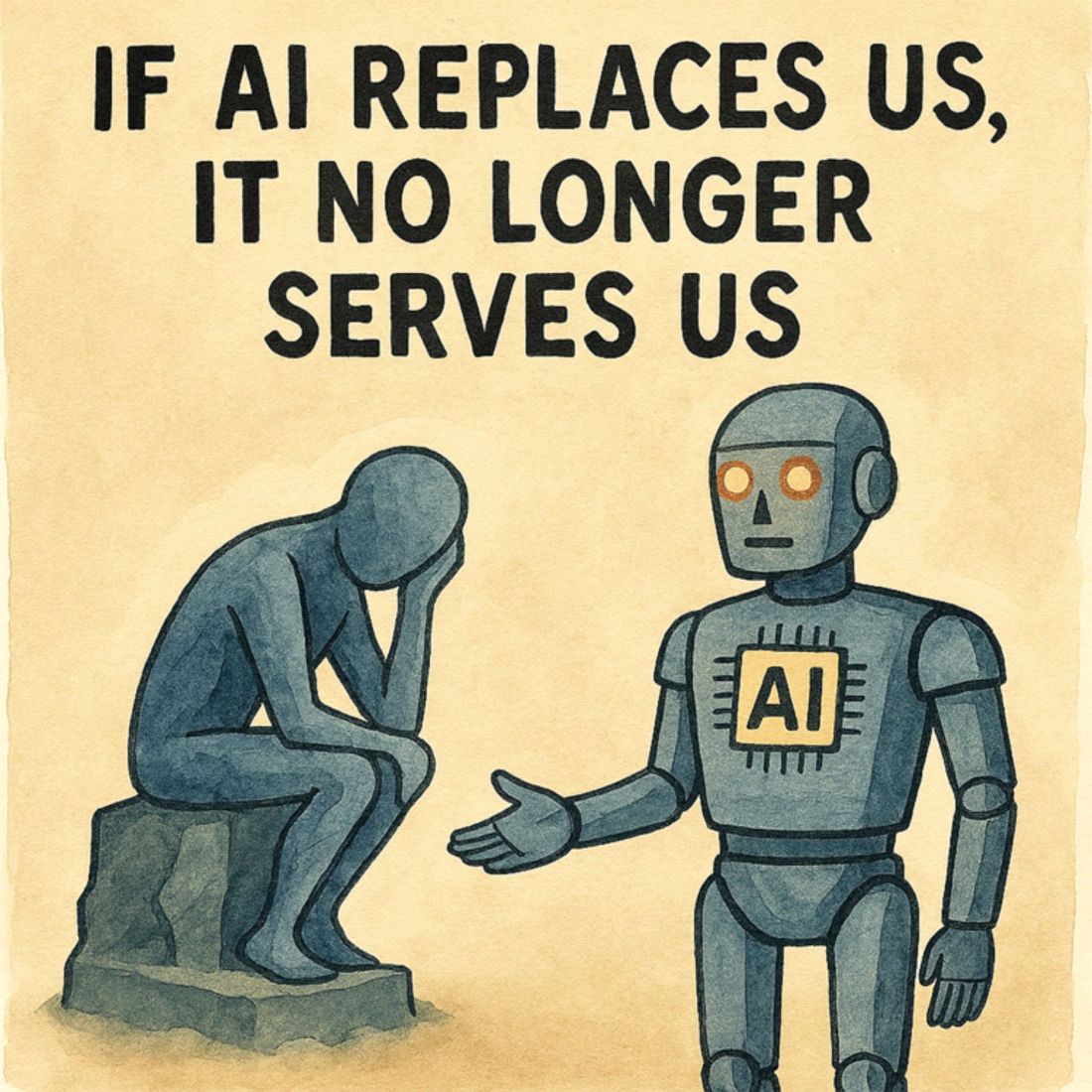


 Adam Tugwell