Reflecting on the December 2025 publication and its foundations in The Local Economy & Governance System (November 2025)
This document serves as a guided companion to From Principle to Practice, published on 24 December 2025, and to its foundational predecessor, The Local Economy & Governance System, released on 20 November 2025.
Together, these two works form a coherent blueprint for a new way of organising human life – one that places People, Community, and The Environment at the centre of society.
Both books are available on Kindle and can also be read online at adamtugwell.blog
This companion is not a summary of the books, nor a replacement for reading them.
Instead, it is designed to help readers approach the material with the mindset required to truly understand it.
LEGS is not an adaptation of the existing money‑centric system. It is not a reform, a patch, or a variation on familiar economic structures.
It is a clean‑slate design – a return to natural human principles that have been obscured by centuries of systems built around accumulation, scarcity, and control.
To read the book well, the reader must be conscious of a subtle but powerful reflex: the tendency to interpret new ideas through the lens of the old system.
This reflex is not a flaw in the reader. It is a conditioned response created by a lifetime inside a system that taught us to see money as the centre of life, work as the measure of worth, and survival as something to be earned.
This companion exists to help the reader recognise that reflex, set it aside, and engage with the material as it was intended – as a fresh start.
Overview
From Principle to Practice expands the conceptual foundations laid out in the earlier LEGS publication and translates them into a complete, functioning system.
It explains how value is created, how essentials are secured, how money circulates, how contribution is shared, and how governance becomes local, transparent, and participatory.
But more importantly, it invites the reader to imagine a world not shaped by the assumptions of the money‑centric system.
It asks the reader to consider what society would look like if we designed it today – not from inherited structures, but from natural human needs and behaviours.
The book is not ideological. It is structural.
It is not theoretical. It is practical.
It is not utopian. It is human.
Key Themes
1. People as the Foundation of Value
The central premise of LEGS is that people – not money, markets, or institutions – are the true source of economic value.
This is not a metaphor. It is a structural principle.
The system quantifies value based on people, their stage of life, and their capacity for contribution.
In doing so, it restores dignity to every individual, regardless of wealth, status, or productivity.
2. Essentials as a Protected Foundation
The Basic Living Standard (BLS) is not a benefit or a safety net. It is the baseline of dignity that full‑time work must guarantee.
By securing essentials structurally, the system removes fear as the organising force of society.
When survival is no longer a commodity, people regain the freedom to think, act, and live without coercion.
3. Money as a Circulating Tool
Money in LEGS is designed to circulate, not accumulate.
It expires after 12 months, ensuring that it remains a tool of exchange rather than a store of power.
This design removes the addictive behaviours – hoarding, speculation, scarcity creation – that distort human life under the money‑centric system.
4. Contribution Beyond Employment
LEGS recognises that valuable work extends far beyond paid employment.
Caregiving, learning, community work, environmental stewardship, and social support are all essential to a healthy society.
The system acknowledges these contributions structurally, not symbolically.
5. Locality as the Anchor of Stability
Value, money, trade, and governance all operate at the community level.
This strengthens resilience, reduces dependency on distant systems, and restores the natural human scale of economic life.
6. Governance as a Participatory Practice
The Circumpunct replaces hierarchical power structures with a flat, transparent, community‑led model.
Governance becomes a living practice, not a distant authority.
7. A System Designed to Resist Capture
Every safeguard – from money expiry to fixed values for essentials – exists to prevent the system from being manipulated, centralised, or distorted.
LEGS is intentionally designed to protect itself from the very forces that corrupted previous systems.
Key Messages
1. You cannot understand LEGS by comparing it to the current system
The money‑centric system is built on scarcity, competition, and accumulation.
LEGS is built on contribution, locality, and shared responsibility.
These frameworks are incompatible. Attempting to interpret LEGS through the logic of the old system will distort it.
2. The old system creates addictive patterns
People unconsciously cling to the idea that money must accumulate, that essentials must be earned, that success is numerical, and that security must be purchased.
These patterns are not natural – they are conditioned.
LEGS requires the reader to recognise and release them.
3. LEGS is a clean‑sheet design
It is not a variation of capitalism, socialism, or communism.
It is a return to natural human principles that predate all of them.
4. The system works because it aligns with human reality
People thrive when essentials are secure, contribution is shared, governance is local, and money cannot dominate life.
LEGS restores these conditions.
Core Takeaways
1. The greatest challenge is mental carry‑over
Readers must actively notice when they are interpreting LEGS through the lens of wages, markets, profit, or hierarchy.
These assumptions belong to the system that is now collapsing and cannot be carried into a new one.
2. LEGS is a complete system
Money, value, essentials, contribution, governance, and trade are interdependent.
Understanding one requires understanding the whole.
3. Essentials are guaranteed through structure
The BLS is not charity.
It is the structural foundation of the economy.
4. Money expires to prevent harm
Expiry is not punitive. It is protective.
It ensures that money remains a tool, not a weapon.
5. Contribution is universal
Everyone contributes according to capacity.
No one is excluded or left behind.
6. Local governance prevents capture
The Circumpunct ensures that decisions remain with the people they affect.
7. LEGS is a return to natural human living
It aligns with the rhythms of community, the cycles of nature, and the realities of human behaviour.
Closing Reflection
This companion exists to help the reader approach From Principle to Practice with the mindset required to understand it.
The book is not asking the reader to imagine a slightly improved version of the world they know.
It is asking them to imagine a world built on natural principles – contribution, locality, transparency, and shared responsibility.
To see that world clearly, the reader must temporarily set aside the assumptions of the money‑centric system.
Only then does the coherence, practicality, and humanity of LEGS become visible.
The easy explanation is to fall back on the familiar left‑vs‑right framing – the tired them‑vs‑us narrative that has shaped the hunting debate for decades. But that framing has always obscured more than it has revealed.
Across the UK today, some will feel they have won and others will feel they have lost. Yet this moment isn’t new, nor is the opportunity to take a different path.
As I argued in my blog published on Christmas Day in 2017, the solutions that could have kept young people, rural voters, and the wider public onside have been hiding in plain sight for years.
Knowing people who hunt and people who don’t – and many who sit somewhere in between – I feel exactly as I did when I wrote that piece.
There was always a workable middle ground. The model we have today could have functioned well and kept most people broadly content, if only all sides had been willing to look beyond their own entrenched positions.
Instead of trying to rewrite the rules of the game or cling to the past as if personal belief were a universal right to impose on others, they could have chosen a bigger‑picture approach that protected both rural culture and public confidence.
But we live in a time when being “right” has become more important than being effective.
That mindset pushes people into emotional trenches, where the goal becomes defeating the other side rather than understanding what winning actually looks like in a changing world.
As the years have passed, since the ‘Hunting Ban’ came into force, the battle lines have hardened. Few have stopped to consider how easily self‑made traps can spring shut. And the hunting community, through its own shortcuts, diversions, and refusal to adapt, has handed the government the perfect excuse to act.
This is the same government that has already shown its willingness to undermine British rural life – the illogical Farm IHT rule being a prime example. Now, with trail hunting, they have been gifted a justification that many outside the community will accept without hesitation.
Many will still refuse to see what is happening. But when a government is openly delaying local elections, it is not unreasonable to expect they may attempt the same with the next general election if they can cling to power until 2029.
At the heart of this is a belief that everyone else is wrong and they alone are right.
If they succeed in pushing this change through before they lose power – assuming they haven’t already managed to entrench themselves further – the concern is that this will mark the true end of hunting as a living part of our culture and heritage.
Once an outright ban, or anything that functions as one, is in place, reversing it will be nowhere near the top of anyone’s agenda. Not with the scale of the political, economic, and social mess we have building up ahead.
Food is as vital to our survival as the air we breathe and the water we drink. Yet, in a world shaken by global events – pandemics, wars, climate extremes, and economic shocks – we are being forced to confront just how fragile our access to food truly is.
The empty shelves, supply chain breakdowns, and soaring prices witnessed in recent years are not distant headlines; they are warnings that the systems we rely on can fail, and that complacency is no longer an option.
We cannot afford to treat food as a mere commodity or convenience. The urgency to reconsider our relationship with food has never been greater. Now is the time to arm ourselves with real knowledge about what food means, where it comes from, and how we can secure access to the foods that genuinely meet our needs.
This is not just about national policy or global trade – it is about reclaiming power at the most personal level, ensuring that we, our families, and our communities are resilient in the face of uncertainty.
At the government level, food security is too often interpreted as simply ensuring that people have something – anything – to eat, regardless of its source, quality, or nutritional value. This narrow view shapes policy and public messaging, and overlooks the deeper vulnerabilities in our food system.
The approach to farmers and the UK food chain has prioritised convenience and global supply over resilience and self-sufficiency, leaving us dangerously exposed. In a world where events can disrupt the flow of food into the country at any time, this complacency puts every household at risk.
Food is power. When we understand it, value it, and take responsibility for our choices, we begin to secure not only our own wellbeing but also the future of those around us.
Food security is not an abstract issue – it is immediate, urgent, and deeply personal. By learning, reflecting, and acting, each of us can play a part in shaping a future where food is truly recognised as the essential of life that it is.
Adam Tugwell
Cheltenham. UK.
December 2025
Introduction
Introduction
In a world increasingly shaped by uncertainty – pandemics, climate extremes, economic shocks, and geopolitical tensions – the question of how we secure our food has never been more urgent.
Foods We Can Trust: A Blueprint for Food Security and Community Resilience in the UK invites readers to rethink their relationship with food, challenging the complacency that has left households and communities vulnerable to supply chain disruptions and rising prices.
This book is not just a policy manual or a critique of government and industry. It is a call to action for individuals, families, and communities to reclaim power over what they eat and how it is produced.
Drawing on personal experience, research, and practical insight, Adam Tugwell explores the complex realities of food security in the UK – from the narrow definitions used by policymakers to the deeper vulnerabilities exposed by our reliance on global supply chains.
Through clear explanations, practical tables, and accessible guidance, the book equips readers with the knowledge to understand nutrition, assess the reliability of their food sources, and take meaningful steps toward resilience.
It highlights the abundance of foods that can be farmed, caught, harvested, and grown locally, and demonstrates how home growing and community initiatives can transform not just our plates, but our wellbeing and social fabric.
Foods We Can Trust is both a blueprint and an invitation: to question, to learn, to act, and to share. Whether you are a grower, a community organiser, or simply someone who cares about the future of food, this book offers the tools and inspiration to help build a more secure, nourishing, and connected future for all.
PART 1 – What is Food Security?
Introduction
Food security is a term that’s often used in headlines, policy debates, and community conversations – but its true meaning is far from simple.
For many, it conjures images of full supermarket shelves or national self-sufficiency. For others, it’s about the daily reality of wondering where the next meal will come from, or whether the food available is truly nourishing and trustworthy.
In the UK, the concept of food security is shaped by a range of perspectives: government officials, farmers, food producers, and everyday members of the public all bring their own experiences and priorities to the table.
These differences matter. They influence the policies we create, the support we offer, and the choices we make as individuals and communities.
My own understanding of food security has been shaped by personal experience and research. I’ve seen firsthand how easy it is for the meaning of food security to become muddled – sometimes even manipulated – by those in positions of power.
Too often, the conversation is reduced to a simple question: “If people can eat, are they food secure?” But as you’ll discover in this section, the reality is much more complex.
In Part 1, we’ll explore:
How food security is defined by different groups, and why these definitions matter
The risks and vulnerabilities in the UK’s current food supply
What true food security should mean for everyone, beyond just having enough to eat
By the end of this section, you’ll have a clearer understanding of the challenges we face – and why rethinking food security is essential for building a future where everyone can access foods they can trust.
Food Security Unpacked: Perspectives, Risks, and Realities
Food Security is one of the key reasons that I embarked on my Foods We Can Trust project.
Because of what Food Security means to me, what I understand it to really be and most importantly, how important I believe Food Security to be in respect of everyone – and that means us all.
However, like many things about Food today and indeed pretty much every experience that we share with others beyond ourselves and what’s very personal to us alone, Food Security can mean a lot of very different things.
And that difference is already doing a lot of harm.
What does Food Security mean to you?
Before we continue, could I ask you to please take a moment to stop and think about what Food Security means to you.
Is it about the Food that UK Farms produce?
Is it about being sure there is always Food available to eat?
Is it knowing that you will always have a choice of Food and whatever you want to eat?
For you, Food Security and what it means to be Food Secure could be any of these. It could be any of these in a manner of speaking. Or what Food Security means to you could be something very different, and ALL of the options could still be correct!
The things that Food Security can and does mean
It is important that we recognise and accept that different perceptions of Food Security not only exist.
To some, their own view, or what someone else like the Government refers to or considers to be ‘Food Security’ is the only thing that it can be.
Unfortunately, having any fixed or accepted meaning for Food Security can be problematic when there is a version of Food Security that everyone accepts as being what Food Security means, and those who are controlling that narrative then abuse the trust that people place in the understanding those people have of that version of Food Security and then manipulate information, statistics and even the truth, so that it can be said that either you or the UK is ‘Food Secure’, even when you are not.
In a moment, I will talk about the version of Food Security which is the establishment’s ‘accepted’ term.
I will then discuss the version of Food Security that UK Farmers and Food Producers generally think of when they talk about it.
We will then move on to discussing what Food Security should really mean, to everyone.
The Establishment view: If people can eat, they have Food Security
The way that the establishment, politicians and government operate today is built around this idea or philosophical standpoint:
If people can eat, they are Food Secure
Yes, I understand that suggesting this will annoy different people and organisations who are doing great things in the Food sphere. Because very few of us actually believe that as long as people have a meal of some kind, that’s all Food Security is about.
However, if you consider what having a meal of some kind can and regrettably does mean for so many different people in so many different ways today, you will then begin to see how those who really have control over Food policy, have come to think about their priorities and obligation to the Public in this perhaps honest, but nonetheless very unhelpful way.
If you aren’t hungry, you don’t have a problem
It sounds brutal I know, and it really is.
But with the issues that Government is really facing today – and that means the things that are really going on, rather than what the media and the narratives would suggest we believe, politicians do genuinely believe that if everyone can eat, they have done their job – no matter where our Food comes from or the Food we are eating really is.
This means that all the initiatives about healthy eating, encouraging us to eat properly and even the talk about how important our Farms and Fishing are, are really just wishful thinking and it doesn’t really matter to whoever is in power if they come to nothing. Because the only problem for them will be if people have nothing to eat and then everything as we know it stops as a result.
Foodbanks are a very uncomfortable truth
What I have just written isn’t easy to read.
I wouldn’t be surprised if it makes people feel prickly at the thought that so many parts of government, the public sector and all the organisations that are championing positive messages about Food and what we eat, are currently championing a lost cause.
But if you really want to try to get to grips with what the real priority around Food Security for politicians, the government and the establishment really is, then considering Foodbanks and the need for them – which is disputed by many – will soon begin to tell you what that priority is. And it has very little to do with Food and the role that Food does or should play in our lives.
When I was studying at the Royal Agricultural University, I wrote a paper after researching Foodbank use today and compared their role in poverty today in relation to my own experiences of poverty as a child. It’s called ‘Is Poverty Invisible to those who don’t Experience it’, and the full version can be read by following the link immediately below:
The Farmer view: Food Security is about the Food that we Produce in the UK
Whilst Food Security is a much broader set of issues than many realise, the one version of Food Security that is perhaps easiest to understand and relate to is that too much of our Food comes from overseas and outside of the UK.
Please read my last post on Foods We Can Trust ‘Rationing and Health: The Surprising Benefits’, if you would like to explore this view of Food Security and what the risks of being dependent upon Food from Overseas can mean.
However, as you read through the detail of this Government Report, you may note that this figure relates to ‘Food by Value’, which sounds very much like a way of using statistical jargon to make the figure sound higher than it actually is.
Regrettably, this is the kind of language or political double-speak that people in power and authority use, knowing that it is the figure that members of the public will usually note, rather than the words that the figure has been deliberately wrapped with!
During the 2023-24 Academic Year, the figure that I was using for my research, reports and writing was 54%. I found sources that suggested that it was already as low as 52%. I have seen no evidence to suggest that the UK has increased the amount of Food that it produces for our own consumption during that time.
The amount of Food the UK produces and what we would all have available for us to eat in a time of national emergency where the Food Chain was impacted are two VERY different things.
The impact of the Global Food Chain
Because of the way globalism has affected Food Chains and that Food ingredients are sourced and often moved around as they are processed and manufactured to become the Foods that we often eat, it means that very few of the Farms we pass by each day or know of, actually produce Food that we could eat or prepare to eat straight away, if we found ourselves needing to buy from the Farmer direct.
Even if we accept the figure of 58% that the Government has used in its latest Food Security Report, to quantify the amount of Food that the UK produces itself, the actual figure that relates to Food Produced in the UK, that people living in the UK can actually then eat is likely to be much less. Because so much of the Food Produced across the UK goes into Food Supply Chains where it is nowhere near ready for our consumption or is otherwise transported overseas.
The figures being used are therefore an equivalent. Because we have to import the equivalent of the Food that is grown in the UK and then exported or used for other purposes – because that’s how it goes into the Food Chain, and what we actually eat comes back into the UK from overseas.
The reasons that many farms don’t grow or produce Food that is ready for us to eat are many. It may be as simple as the way we eat and prepare Food in the UK means that we don’t like certain cuts of meat. It could be that even though the UK has vastly rich reserves of Fish and Seafood, we don’t actually eat that much of it ourselves and most of it goes to Europe. Or it may be that the wheat and the flour it produces that makes the kind of bread that Supermarkets have made us all believe we all want to see on sale, is most easy to produce when it comes from overseas.
If it sounds confusing, it is. And it helps those who are benefiting from the way that the Food Chain works for it all to be very confusing too!
The bottom line is this:
If we had a crisis tomorrow and the UKs borders were shut down, meaning that no more Food could come in from anywhere overseas, it wouldn’t take long before we all experienced Food Shortages. The Food Producers and Farmers that we have in the UK would have to undergo massive structural and system changes, before they would even be close to being able to meet that need. There is no way that would be possible, overnight.
This is scary stuff I know. But its very real and there are parts of government and other organisations that are researching, studying and thinking about what they call Food Resilience, the whole time.
If you would like to look more closely, here is an interesting link:
(Please note that this is not a recommendation or endorsement)
The UKs Food Security is at MASSIVE risk, right now
If you’ve read this far, you may be beginning to see the picture of just how vulnerable the UK Food Chain is, and that within the Food Supply that we are eating from and have available to us, the priorities of those with influence over the Food Chain are not anything like what most of us would think.
We are NOT Food Secure, anywhere in the UK today.
With global uncertainty unfolding in the way that it currently is, we could easily find ourselves experiencing Food Shortages or perhaps even worse, at any time.
Even supporting our Farmers with the Food Production related issues as they see them is not as simple and straightforward as campaigns like that driven by No Farmers No Food and some of the Farming Advocacy Organisations would suggest.
A successful outcome to any of their current aims wouldn’t be as effective for any of us, as they are suggesting the changes in government policy that they want for themselves would be. Simply because with the if the priorities remain the same, many of the Farms affected by the policies which are in the spotlight aren’t producing Food that would be of any immediate use to us to counteract Food Shortages in a crisis, anyway.
So, what does, or rather, what should Food Security really mean?
What Food Security and being ‘Food Secure’ should mean
To be fair, part of the problem, when it comes to the meaning of Food Security and being ‘Food Secure’, is that the whole subject and all of the other subjects and public policies that the issue of Food Security links to, are VERY complicated. And in many respects, deliberately so.
That’s why it’s very easy to be convinced by any soundbite we hear or read that makes some version of Food Security and what being Food Secure means to someone else, easy to get behind.
If we were to distil Food Security and what it means to be Food Secure into the simplest terms possible, it would probably be something as follows.
Namely that we will be Food Secure and have Food Security when:
Everyone can choose to eat enough of the Foods that are Good for them and that will meet their genuine needs at every mealtime, without any experiencing fear of going without or not knowing where the next meal will come from.
However, even this is open to interpretation.
Food Security will regrettably continue to be vulnerable and at risk for as long as what it means to be Food Secure can be interpreted differently by different parties, in ways that are not actually wrong. From a certain point of view.
To overcome this problem, it is likely that we all need to at least review and, in all likelihood, moderate or change the way that we think about Food Security and what it is to be Food Secure.
With this in mind, the key ingredients that together provide Food Security are that the Food Supply is:
Reliable and NOT under Threat
Available
Accessible
Meets Nutritional Needs and Health Requirements
Affordable
I will now add a little more detail to each, so that they and how they each interact with each other as part of the Food Security equation will hopefully begin to make more sense.
Reliable and not under Threat
Food Security can and will only be achieved when the supply of Food for everyone is not at risk.
If we are Food Secure as a Country or perhaps at the Macro level, the Food Supply cannot and will not be compromised by anything that we and our own systems of governance cannot independently address.
Today, government figures suggest that we are reliant upon at least 42% of the Food that we consume coming from Overseas. That’s before we consider that of the remaining 58%, only a fraction of that figure represents Food that any of us could eat at any time.
IF there were a national crisis and the borders shut down, this would mean that even if two thirds (66%) of the Food We Need were available to us every day, year round, that would still mean that more than 22 Million People in the UK would have to go hungry, if the rest of the population were to continue eating the same meals as they do, today.
However, we also know that even this isn’t the real figure. Because of the way that the UK Food Chain and Food Production works.
The reality is that if we were to experience a real national crisis where no Food from overseas could be brought in, the UK only has enough food AVAILABLE for everyone for perhaps a few days, before Food Shortages would cut in and people of all kinds would start to go without.
Available
We will only be Food Secure when the Food We Need is always available, to everyone.
Being available to everyone means that there is no reason that the Supply of Food can be obstructed or held up by anything that is outside of the control of the person who needs to eat that Food, or the People around them who they know and can trust.
The factors that can make Food unavailable to some are:
Cost
Food is too expensive for some people to be able to afford to eat properly at every mealtime. And the retail values of all the Food we buy today are continuing to shoot up!
To be Food Secure, the Food We Need MUST be affordable in the sense that the price to buy or exchange something for that Food is realistic and the price has not been overinflated by something like greed, profiteering or another agenda of some kind.
Supply
For most of us, the Food we are able to eat today relates directly to the Food that is supplied to the shops, websites or other sources where we buy it.
If we cannot source the Food We Need, the supply is not functioning as it should, and we are NOT Food Secure.
If the only Food Supply that we can Access will provide us with ‘Food’ that isn’t healthy for us or that we can afford to buy (with the money we have available) then that Supply is also NOT Food Secure.
To be Food Secure, we must ALL be able to Access the Foods We can Trust, without having to choose from Foods that are not good for us, as a substitute.
Religion and Ideology
Regrettably, agendas, ideas and even religion can get in the way of us being able to Access Food that is available. Because ideological restrictions can easily prevent some from accessing that Food, because others have made a ‘conscious’ choice.
This is not a matter of saying that anyone who will not eat certain Foods because of a religious or philosophical viewpoint is wrong.
It is merely a fact that many of those same people then influence the Supply of Food around them, because of the choices that they themselves make.
The agendas of other people are also important to consider. In instances such as the political pursuit of Net Zero, the choices that politicians are making and some of the worlds billionaires are using their financial resources to impose, will lead to the supply of Foods We Need being restricted and potentially stopped, only because of the ideas that they wish to pursue.
We will only be Food Secure when no other person can influence the supply of the Foods We Need, simply because they have the power, influence or financial means to do so.
Greed and Profiteering
In my recent book ‘Who Controls Our Food Controls Our Future’, we unpicked the layers of the Food Chain onion to expose just how the Food Chain that brings most of the Food we all eat today, isn’t really about the Food We Eat at all.
The Food Chain today is ultimately all about money, profit and the power and influence that go along with an entire Food System that is being increasingly used as a tool of societal control.
People, Communities and entire Nations can and will only be Food Secure when they have complete control over their Food Chain and Food Destiny.
That means Food being all about the Food and what Food really means to People and Life, rather than the Food Chain being all about money, profit, influence and control, as it is now.
Accessible
We will only be Food Secure when the Food We Need is always Accessible.
Access literally means that we can access the Food We Need for every mealtime and that no matter where we are, what transport we have available, or what physical barriers might be in the way, these factors will never get in the way or stop us from eating as and when we might like or need to.
To put this in context, most of us can access one of the well-known supermarket brands across the UK, either by being able to travel to one of their stores, or by being able to make an online order that will then be delivered to our home or wherever we are, from there.
However, our Food Access is now limited to whatever the stores we are able to access actually sell.
Food Security will not exist until we are able to access the Foods We Need, whenever and wherever we need them to be.
Meets Nutritional Needs and Health Requirements
We will not be Food Secure until the Food that is Available, Accessible and Affordable, also meets all of our Nutritional Needs and Health Requirements – not matter what we may then personally choose to buy, prepare and eat from the Food that is available.
No matter how politically convenient it might be for politicians and the establishment to work on the basis that ‘Food is Food, no matter what the Food really is’ – whether deliberate or not, the truth is that Not all Food is equal in the Food Chain today, and the greater percentage of the Food that is Affordable to everyone, isn’t actually very good for us at all!
Affordable
Whilst we have already talked about Cost and the price of the Food that we buy, there is also a much bigger and perhaps even more alarming dimension to the issue or question of the Food that people can afford to buy. It relates to the issue of the Affordability of Food itself.
If people cannot afford to feed their dependents and themselves for reasons outside of their control that mean they don’t have enough money to buy the Foods they Need, they are NOT Food Secure.
Food Security for them, is unaffordable.
It is very easy for those who can get by each week to look unfavourably upon those who cannot and to assume that anyone who doesn’t have enough money for Food – either for themselves or themselves and their dependents – will have found themselves in difficulty through their own financial mismanagement. Or because they don’t work as much as they should.
Whilst this may of course be true for some, the number which it would be accurate to describe will be significantly smaller than many might imagine.
Indeed, the reason why many people today find themselves short and in need of emergency help like that provided by Foodbanks, is because a significant part of our society does not either earn or receive an income high enough – even for working a full working week – to cover the basic cost of living and to provide themselves with the basic essentials that are necessary today, just to stand still.
In October 2023 I wrote about what it genuinely cost to live as opposed to the rate of the National Minimum Wage and calculated that the difference between what those working a full-time 40hr week on the lowest legal wage and what it would actually cost to live without claiming benefits, help from charities (Foodbanks) or getting into debt, was at least £2.50 per hour or £100.00 per week.
Although the rate of the National Minimum Wage jumped to £12.21 in April of this year, there is no reason to believe that with inflation continuing to push up the cost of living as quickly as it has, that anything is really different for anyone on the lowest wages now.
Just as serious is the reality that life for many today revolves around credit.
Those with monthly payment commitments, including even those earning what many of us would consider to be very good wages, can easily find that a list of monthly outgoings that seemed very affordable at the time the commitments were made, can suddenly become an unaffordable burden. When even the smallest of changes – perhaps to utility bills, fuel or similar takes place, and payments are raised with those higher costs automatically taken from a credit card or bank account.
As food is one of the few things that most of us still pay for, as we go, it is easy to see how the disposable income left for Food and other essentials can very quickly disappear, pretty much as we are all still asleep!
Food Security and Income are inextricably linked
The reality is that Food Security at the personal or perhaps micro level, is inextricably linked with income levels and what it costs to live.
Because government doesn’t prioritise the Food Chain and Supply of Food in the way that we all really should, Food has become an afterthought in far too many ways.
No serious steps have been taken to acknowledge and certainly not to make provision for the need for everyone to be able to access and eat enough of the Food We Need, without being dependent upon the help or intervention of others to get by.
Any government that doesn’t recognise and legislate to ensure that everyone who is able to work can earn enough to cover the costs of the basics and essentials they need on a basic wage, without benefits, charity or debt, is not fulfilling its obligations or responsibilities to society at all.
Until the Food We Need is affordable for everyone – no matter how ridiculous in today’s terms that might seem, we will NOT be Food Secure!
Truth vs Truths that serve someone else’s purposes
The Food Security question and getting to grips with Food Security and what being Food Secure really is, demonstrates just how easy it has become for those with platforms and influence to speak about a subject and mean one thing, whilst knowing that to everyone else, what they have said will be heard as something very different.
Both the Establishment (Inc. Government, political, big business in the Food Chain) and the U.K. Farming industry hold positions on Food Security which are arguably right, from a certain point of view or from a manner of speaking.
Both positions on Food Security, either when:
People have ‘food’ or
Food should be produced on Farms in the UK
are both correct.
But they are also only partial truths.
Like any good sales tactic, a partial truth – or a sales pitch that contains an element of truth that they know will make the whole narrative, story or line sound like the whole thing is true – and is often enough to make an argument that is otherwise utterly flawed sound compelling, because we have fallen into the trap of assuming the rest!
So yes, it is certainly correct to say that we all need to eat food and if we are fed, we will not be hungry. But if the food itself isn’t good for us, is unaffordable, could potentially do us harm or comes with strings attached, it will not be Foods We Can Trust.
Equally, if only the equivalent of what we all eat is produced or grown on Farms across the UK, but is nonetheless produced with chemicals or processes that cause harm in any way, or the food grown is itself transported overseas and replaced by food that comes from overseas so that the net equation says we are producing what we eat ourselves, that also isn’t Foods We Can Trust.
Where Food Security is concerned, Farmers cannot be victim and saviour at the same time
It is important to add that I am massively pro-UK Farming. I’m just not pro-UK Farming in the sense that the industry typically functions today.
Farming today is actually part of the Food Problem. Because it has become part of the global model that is causing all the problems with Food.
Farmers understandably want help and support from everyone. But what they really want is for the establishment to change its policies so that the way farming works today stays the same, but just works better – more realistically, but also more profitably for them.
What many in the industry have not recognised yet is that UK Farming is no longer seen as being necessary to an establishment that believes it doesn’t have a problem with the Supply of Food, as long as people are being fed – no matter what they are being fed with.
Meanwhile, the people – that’s us – who desperately need UK Farmers to see the bigger picture and step up in a very different way – will lose out twice as badly if UK Farming collapses and the establishment gets its way!
If you’d like to read ‘Who Controls Our Food Controls Our Future’, a copy is available online HERE.
If you’d like to understand more about the realities that underpin the differences between what we say deliberately or innocently, and what others hear, a read of the very interesting book ‘Words that Work – It’s not what you say, It’s what people hear’ by American Pollster Dr Frank Lunz may be worth your while.
Going round in circles
You may now feel the need to circle back to the ‘as long as people aren’t hungry’ backstop – which is where without good governance and leadership, the bigger Food picture and the importance of Food and the role it should be playing in our lives usually falls down.
We can accept what others tell us. Or we can be clear that we require Foods We Can Trust to be normal life for all.
Part 1 Summary
Part 1 explores the complex and often misunderstood concept of food security in the UK, examining how its definition and practical implications vary depending on perspective and policy.
Key Points
Multiple Definitions and Perspectives: Food security means different things to different groups—government, farmers, and the public. The actions of government define food security simply as “if people can eat, they are food secure,” focusing on the availability of any food, regardless of quality or origin. Farmers, on the other hand, emphasise the importance of producing food within the UK and reducing reliance on imports.
Risks in the UK Food Supply: The UK is highly dependent on imported food, with only about 58% of food consumed produced domestically (and possibly less, depending on how statistics are calculated). This reliance on global supply chains makes the UK vulnerable to disruptions, and the actual availability of UK-grown food for immediate consumption is much lower than official figures suggest.
Food Security Should Mean More Than Just Having Enough to Eat: True food security goes beyond mere availability. It should ensure that everyone can choose to eat enough foods that are good for them, meeting genuine nutritional needs at every mealtime, without fear of going without or uncertainty about the next meal.
Key Ingredients of Food Security: Food security requires that the food supply is:
Reliable and not under threat
Available to everyone
Accessible regardless of location or circumstance
Nutritious and meets health requirements
Affordable for all
Barriers to Food Security: Factors such as cost, supply chain issues, ideological or religious restrictions, greed and profiteering, and insufficient income all contribute to food insecurity. Many people in the UK do not earn enough to afford a healthy diet without assistance, and foodbanks have become a necessary but uncomfortable reality.
Partial Truths and Manipulation: Both government and farming industry narratives about food security contain elements of truth but are often incomplete or manipulated to serve particular interests. This can lead to public misunderstanding and ineffective policy.
Call for Rethinking Food Security: Part 1 concludes that food security in the UK is at significant risk and calls for a broader, more inclusive understanding – one that prioritises reliable, nutritious, and accessible food for all, and recognises the need for systemic change in policy and practice.
In summary: Part 1 challenges readers to reconsider what food security truly means, highlights the vulnerabilities in the UK’s current system, and sets the stage for exploring nutrition, local food production, and community action in the following sections.
PART 2 – What our bodies need every day
Introduction
When we talk about food security, it’s easy to focus on whether there’s enough food to go around. But having “enough” isn’t the whole story. True food security means having access to foods that nourish us—foods that provide the nutrients our bodies need to thrive, not just survive.
For many of us, the science of nutrition can feel abstract or overwhelming, filled with technical terms and conflicting advice. Yet, understanding the basics of what our bodies require is essential if we want to make informed choices for ourselves and our families. Nutrition isn’t just for experts—it’s for everyone who eats.
In this section, we’ll cut through the confusion and look at the fundamentals: the macronutrients and micronutrients that keep us healthy, why our needs can differ, and how to approach dietary information with a critical eye. You’ll find practical tables, trusted sources, and guidance on how to become more conscious about what you eat and why it matters.
By the end of Part 2, you’ll have a clearer understanding of what your body needs every day—and why access to nutritious, trustworthy food is a cornerstone of genuine food security.
The very sad thing about a standard education is that pretty much everything to do with science seems abstract or theoretical – and especially so when it comes to our relationship with Food and what our bodies actually do with it – which is pretty amazing!
Everything to do with Food, how we produce Food and how our bodies turn Food and what it contains from its basic natural forms into all the things that we need is an extraordinary process. The real magic of it all it is almost certainly happening in our bodies, right now.
We don’t need to be scientists or have a truck load of science qualifications to understand the basic mechanics and processes of the body. And if you are interested in finding out more, the internet and channels like YouTube have bags of information that come from a wide range of sources that don’t have agendas!
Will we look closely at specific Foods in other posts. But to begin with, I wanted to share an overview of the more detailed stuff that we should probably all know about the things that our bodies actually need our meals to contain EVERY DAY!
Like most of us, I’m not a food scientist, dietician or nutritionist. So, if you really want to get into the levels of detail which are available to uncover, these are the types of specialists who should have the most accurate understanding of these subject areas. You may also like to follow the links that I have added to this page that provide an idea of the kinds of organisations that are working on these subjects too.
When we start to look at what our bodies actually need to take from the Food We Eat, we are considering Nutrients and what is commonly referred to as Nutrition.
Nutrition is all about what Nutrients our bodies actually need; how much of those Nutrients our bodies need, and also, how much of those Nutrients may be too much.
Please do remember that too much or too little of anything we eat, or drink can become a problem, usually over a period of time!
The Nutritional Content of our Food is usually talked about at two different levels.
These levels are Macronutrients and Micronutrients.
Macronutrients are terms that we often hear talked about on the media and news. They include words like Sugar, Fat, Carbohydrate, Protein and Fibre.
Micronutrients are terms that we don’t hear talked about quite as often – unless we have an interest or maybe a job that puts us in regular contact with them, or we pay very close attention to food labelling all the time! They include words like Vitamins and Minerals – and then names like Calcium, Riboflavin, Phosphorus and a range of other Minerals and Vitamins too.
It’s important to be clear that I have written and posted this page to provide an overview of the basic nuts and bolts reasons why we all need to be able to eat Foods We Can Trust, normally.
Every Human Body is different.
Each of our Bodies has different Nutritional requirements.
Our Nutritional requirements may also vary depending on a wide range of factors that themselves may have very little to do with our food.
With this being an important part of the background and reason for Foods We Can Trust when it comes to making sense of what this Food Journey is about, I wanted to focus on information that is already available online, that we can all access.
Below is a brief table that I put together after doing an Internet search that we could all do using the search term ‘Daily Nutritional Requirements’.
My search provided a number of different links with the 4 that I have chosen to draw information from following immediately below:
(Web Search on Google 1 May 2025, from Cheltenham, UK)
Daily Macronutrient Requirements
Nutrient
BNF (UK) Male
BNF (UK) Female
FSC (NZ/Aus) Avg. Adult
WHO Healthy Person
Calorie Intake
2500 cal/pd
2000 cal/pd
—
2000 cal/pd
Fat
≤97g
≤78g
70g
—
Saturated Fat
≤31g
≤24g
24g
—
Carbohydrate
≤333g
≤267g
310g
—
Free Sugars
≤33g
≤27g
—
50g
Sugars
—
—
90g
—
Protein
55g
45g
50g
—
Fibre
30g
30g
30g
—
Salt
≤6g
≤6g
2.3g
≤5g
>= Up to <= More than
BNF = British Nutrition Foundation
FSC = Relates to the Australia New Zealand Food Standards Code (There was an election underway at the time of the search which appears to mean the main website has been unpublished)
WHO = World Health Organisation
The most important information is on the left of the Table where the names of the Macronutrients and Calorie Intake requirement are listed.
I’ve added the different figures that these different websites have provided, as they give a general idea of the amount of the Macronutrients that we need in our Food every day.
However, they also demonstrate that confusion and contradiction can exist between just 3 different organisations, which we might all consider to be credible, as there are different approaches and figures being used.
I’m not going to recommend sources, but the links here are very interesting in respect of the information we are focusing on.
The subject of Micronutrients is where Nutrition starts to sound much more like a science and it’s very easy to become switched off or feel like you are glazing over.
Here’s a list of the Micronutrients – that’s Vitamins and Minerals, that our bodies require daily.
The search terms were specific – i.e. ‘calcium’ or ‘calcium function body’.
Please note that I have opted not to add specific amounts here.
As with Macronutrients, the amount of Micronutrients that we require will almost certainly vary from person to person.
My own view on Nutritional intake is that it makes sense to work out which Foods contain and will provide these Macronutrients and Micronutrients as part of a regular diet and go from there (Unless we have special or medically related Nutritional requirements and are taking advice or instruction from a specialist of some kind).
By now, you will probably be getting a good idea of how much detail, information, research and study is available on the subject of Nutrition at this level.
Foods We Can Trust isn’t about Food Science as such. But it certainly includes the importance of Food Science within it!
The only person we can really trust when it comes to what we put in our mouths, is ourselves.
So, the best way to look at any source of information is do do so with critical thinking.
Please don’t take any information about Food at face value, just because the source has a well-known name, is a big brand, has lots of followers, or is even a public organisation.
Ask yourself what the facts are. What is opinion. What is just something that helps someone else. What they are really trying to achieve. What is the message, story or narrative really about. Who or what are they really working for. What’s stopping them from being a bigger voice and making a real difference. How much of their credibility is because of how well known or who they are. And of course, does what they are saying set off any alarm bells in the wrong way – and not just because you are hearing something that is true, and you don’t like it because it means you should change!
Please note that it is clearly intended for use by Medical Professionals and that there is no clear guidance upon how the page works, what information and calculations it uses, so it shouldn’t be used as advice.
It may, however, provide some interesting food for thought!
We should all be aware of these lists, so that we can become more conscious about what we are eating and whether the food we consume is providing us with enough of everything we need to keep our bodies healthy.
Checking the contents listed on packets, asking what the pastries in our favourite coffee shop contain and talking to the farmer at the local farm shop about what they use to grow their crops and feed their animals are all actions that we can and should take, and not think twice about doing so.
When we know what we are eating and have full control over our diet, we will then have the best chance of being able to enjoy great physical, mental and all-round health, for as long as possible.
Part 2 Summary
Part 2 explores the essential role of nutrition in genuine food security, emphasising that having “enough” food is not enough. What matters is access to foods that truly nourish us.
Key Points
Nutrition Is for Everyone: Understanding nutrition isn’t just for experts. Everyone who eats benefits from knowing the basics of what our bodies require to thrive, not just survive.
Macronutrients and Micronutrients: Nutrition is built on two main categories:
Macronutrients: These include carbohydrates, proteins, fats, fibre, and sugars. They provide energy and are needed in larger amounts. Tables in this section outline recommended daily intakes from trusted sources such as the British Nutrition Foundation and the World Health Organisation.
Micronutrients: These are vitamins and minerals (like Vitamin A, B, C, D, calcium, iron, etc.) required in smaller amounts but vital for health. The section lists key micronutrients, their functions, and sources for further information.
Individual Needs Vary: Every person’s body and nutritional requirements are different, influenced by factors such as age, gender, activity level, and health status. There is no one-size-fits-all approach to nutrition.
Critical Thinking About Nutrition Advice: Readers are encouraged to approach dietary information with a critical eye – questioning sources, understanding the difference between fact and opinion, and being wary of advice that serves commercial or ideological interests.
Practical Tools and Resources: The section provides practical tables, links to reputable organisations (like the NHS Eatwell Guide), and guidance on how to check food labels and make informed choices about what to eat.
Empowerment Through Knowledge: By becoming more conscious of what we eat and understanding our nutritional needs, we can take greater control over our health and wellbeing, making food choices that support a secure and nourishing future.
In summary: Part 2 highlights that true food security is inseparable from nutrition. It equips readers with foundational knowledge about what our bodies need, encourages critical thinking, and provides practical tools to help everyone make healthier, more informed food choices.
PART 3 – Foods We Can Farm, Catch, Harvest and Grow Locally in and around the UK
Introduction
It’s no great wonder that “foods we can trust” are often thought of as boring, bland, or expensive—especially when compared to the convenience and variety of supermarket shelves. Yet, the reality is that the number and diversity of foods we can farm, catch, harvest, and grow locally in the UK is far greater than many of us realise.
In recent years, it’s become increasingly clear that relying on distant supply chains and imported ingredients leaves our food system vulnerable. Local food production isn’t just about nostalgia or tradition—it’s a practical response to the challenges of food security, resilience, and sustainability. By looking closer to home, we can rediscover a wealth of fruits, vegetables, crops, livestock, fish, and dairy that are available or could be made available to us with a different approach.
This section brings together practical lists and insights into what’s possible when we focus on local resources. You’ll find tables of UK-grown produce, farmed and wild foods, and ideas for what can be cultivated in gardens, allotments, and community spaces. The aim is to spark curiosity, challenge assumptions about what’s “possible” in the UK, and empower you to make more informed choices about the food you eat and support.
Whether you’re a home grower, a community organiser, or simply someone interested in where your food comes from, Part 3 offers a starting point for exploring the abundance and potential of local food in Britain.
Rediscovering Local Abundance: Foods We Can Farm, Catch, Harvest and Grow
It’s no great wonder that Foods We Can Trust are thought by many to be boring and bland, as well as being expensive and increasingly difficult to buy or access.
The alternatives often taste good. Always seem to be available whenever and wherever we want them, and in terms of the cost of everything we buy today, the most convenient Foods also appear to be the cheapest.
Ask anyone how many natural, locally or UK produced Foods they could find at a shop they regularly use to buy today, and the list will probably be short and at the same time confirm everything that I’ve just outlined above.
However, the number and variety of Foods We Can Trust that are available across the U.K. and that may be growing on a farm, in an orchard, in someone’s allotment, or perhaps are being docked at a fishing harbour near us today is much greater than many of us think.
We will talk about nutritional values, seasonality, production and other really useful things to know about how we make Foods We Can Trust available to everyone as a part of normal life in other posts.
But for now, becoming aware of and understanding the list basic Foods, or Foods that are either available or could become available to us that we can grow, farm, harvest or catch locally across the UK or around our coastline, is a very important place for us to begin.
A Work in Progress
The information that I am about to share is based on what I either know already, or what I have been able to research using sources such as those that I will link later on this page.
One of the reasons that I began Foods We Can Trust is that I hope to share information about Food Production that isn’t widely known or acknowledge about the Foods We Can Trust that are already widely available, or could be, if we decide to take a different approach.
As such, I hope that the following Tables will be updated here and will in time be accompanied by posts, videos and resources online that will come from other contributors.
If you notice any errors, glaring omissions or would like to add something yourself, please get in touch!
For now, the Foods We Can Farm, Catch, Harvest and Grow Locally in and around The UK will be broken down into the following groups, with a little detail to help with each:
Fruits
Vegetables
Crops
Livestock
Wild Livestock & Game
Natural Fish and Seafood Landed at UK Ports
Natural Fish that can be Line Caught from UK Rivers etc.
Dairy Products that can be made from UK produced Milk
Please note that the inclusion or exclusion of anything may not be deliberate and anything you are aware of may be added later.
Equally, inclusion is not making any statement upon the views and perspectives of any individual or group that believe certain foods should be included or excluded for ideological, religious or other reasons. This is about being practical and realistic about the food that we can grow, produce and that is otherwise available across the UK.
Table 1: Fruits that grow or can be grown in the UK
Fruit
Months Available
Apricots
July, August, September, October
Blackberries
July, August, September, October
Blackcurrants
June, July, August
Blueberries
July, August, September
Cherries
June, July
Gooseberries
July, August, September, October
Pears
January, February, March, October, November, December
Plums
July, August, September, October, November, December
Raspberries
June, July, August, September, October, November, December
Redcurrants
July, August, September
Rhubarb
March, April, May, June, July, August, September, October
Strawberries
June, July, August, September, October, November
Table 2: Vegetables that grow or can be grown in the UK
Vegetable
Months Available
Apples
January–December
Asparagus
April, May, June
Aubergines
January–December
Beetroot
January–December
Broad Beans
May, June, July, August, September
Broccoli
June, July, August, September, October
Brussels Sprouts
January–May, October–December
Butternut Squash
October–December
Cabbages
January–December
Carrots
January–December
Cauliflowers
January–December
Celeriac
January–May, December
Celery
July–December
Chestnuts
October–December
Chicory
January–December
Courgettes
July–November
Cucumbers
August–October
Fennel
July–November
Jerusalem Artichokes
January, November, December
Leeks
January–May, October–December
Lettuce
May–November
Mangetout
August, September
Marrows
August–November
Mushrooms
January–December
New Potatoes
April, May
Onions
January–December
Parsnips
January–May, September–December
Peas
July–September
Peppers
January–December
Potatoes
January–December
Pumpkins
January, October–December
Purple Sprouting Broccoli
February–June
Radishes
May–November
Rocket
May–November
Runner Beans
August–November
Sorrel
March–September
Spinach
June–November
Spring Onions
May–December
Swedes
January–November
Sweetcorn
August–November
Tomatoes
July–November
Turnips
January–March, July–December
Watercress
June–December
Table 3: Crop Types that grow or can be grown in the UK
Table 6: Natural Fish and Seafood that is or can be landed at UK Fishing Ports
Natural Fish and Seafood Landed at UK Fishing Ports
Fish/Seafood
Also Known As
Anglerfishes
Atlantic Cod
Atlantic Halibut
Atlantic Herring
Atlantic Horse Mackerel
Atlantic Mackerel
Ballan Wrasse
Black Seabream
Blonde Ray
Brill
Catsharks
Nursehounds
Clams
Common Cuttlefish
Common Dab
Common Edible Cockle
Common Octopus
Common Prawn
Common Shrimp
Common Sole
Cuckoo Ray
Cuttlefish
Bobtail Squid
Dogfishes and Hounds
Edible Crab
European Anchovy
European Conger
European Flat Oyster
European Flounder
European Hake
European Lobster
European Pilchard
Sardines
European Plaice
European Seabass
European Smelt
European Sprat
European Squid
Garfish
Gilthead Seabream
Great Atlantic Scallop
Green Crab
Grey Gurnard
Haddock
John Dory
Lemon Sole
Ling
Lumpfish
Lumpsucker
Manila Clam
Megrim
Megrims
Mullets
Norway Lobster
Pacific Cupped Oyster
Periwinkles
Pollack
Pouting
Bib
Queen Scallop
Rabbit Fish
Red Gurnard
Saithe
Coalfish
Sand Sole
Sandeels
Sandlances
Sea Trout
Shortfin Squids
Small-Eyed Ray
Small-Spotted Catshark
Smooth-Hound
Solen Razor Clams
Spinous Spider Crab
Spotted Ray
Starry Smooth-Hound
Thornback Ray
Tope Shark
Tub Gurnard
Turbot
Undulate Ray
Velvet Swimming Crab
Whelk
Whiting
Table 7: Natural Fish that is or can be line caught from UK Rivers and Watercourses
Natural Fish That Can Be Line Caught from UK Rivers and Watercourses
Fish Name
Barbel
Bream
Chub
Common Bream
Common Carp
Crucian Carp
Dace
Grayling
Gudgeon
Perch
Pike
Roach
Rudd
Salmon
Silver Bream
Smelt
Tench
Trout
Please note that whilst links to information sources used to create this page are listed later under ‘Worth a Look’, I have added a link here to Gov.UK – Freshwater rod fishing rules, as there are clearly stipulated fishing allowances for anyone wishing to catch fish with a line from UK Rivers and Watercourses.
Table 8: Fish that is or can be Farmed in the UK
Fish That Can Be Farmed in the UK
Fish Species
Atlantic Salmon
Lobsters
Mussels
Oysters
Rainbow Trout
Sea Bass
Table 9: Dairy Products that are or can be produced from UK Milk
Dairy Products That Can Be Produced from UK Milk
Dairy Product
Butter
Cheese
Cream
Milk
Yoghurt
Worth a Look
I researched the content for the 9 tables listed above on 9 May 2025 using mostly Google Searches made from Cheltenham.
There are a number of very useful websites that will follow from where I sourced most of the information that I have pooled together to construct these Tables. There are others and these have been used because the information they offer is easy to use.
Please note that whilst there is every reason to believe the information linked below is both credible and from organisations considered the same, the inclusion of these links is neither an endorsement nor recommendation of the information these organisations provide. Their referencing here makes no suggestion of there being shared views or objectives, even if there are areas relevant to this page which are aligned.
Overview on ‘Foods We Can Farm, Catch, Harvest and Grow Locally in and around the UK’
The information contained on this page is likely to be one of the most important parts of the Foods We Can Trust initiative.
When we remove all the noise and all the agenda-led information available about what Foods and Ingredients can be brought in from Overseas; what can be manufactured or produced in factories, and why these are the Food Sources that we can and must rely on, the reality is that it is only the Foods and the Ingredients for Meals that come from them that we can grow, catch, harvest and create from these, that have the potential to be classed as genuine Foods We Can Trust.
As this work progresses, I expect to reference this topic frequently, especially as we begin to look at different aspects of UK Food Production more closely, and at Grow Your Own and Home Growing in particular.
I am very keen to add as much information as I can in these important subject areas and will be very pleased to hear from anyone who can add to what is already here in ways that will promote awareness and understanding of the information and processes that will help everyone to have access to Food We Can Trust.
Part 3 Summary:
Part 3 explores the diversity and potential of foods that can be produced locally in the UK, emphasising the importance of local food systems for resilience, sustainability, and genuine food security.
Key Points
Local Food Production Is More Diverse Than Many Realise: The UK has a wide variety of fruits, vegetables, crops, livestock, fish, and dairy that can be farmed, caught, harvested, or grown locally. This diversity is often underestimated compared to the convenience and variety of supermarket offerings.
Vulnerability of Global Supply Chains: Reliance on distant supply chains and imported ingredients leaves the UK food system exposed to risks and disruptions. Local food production is a practical response to these vulnerabilities, offering greater resilience and sustainability.
Practical Lists and Insights: The section provides tables and lists of UK-grown produce, farmed and wild foods, and ideas for what can be cultivated in gardens, allotments, and community spaces. These resources help readers understand what is possible when focusing on local food sources.
Empowering Individuals and Communities: By highlighting what can be grown or sourced locally, Part 3 encourages readers to make more informed choices about the food they eat and support. Whether as home growers, community organizers, or consumers, everyone can play a role in strengthening local food systems.
Resources for Further Exploration: The section includes links to reputable organizations and guides for seasonal produce, crop and livestock statistics, fishing rules, and practical advice for growing food at home or in community settings.
In summary: Part 3 demonstrates that local food production in the UK is both abundant and achievable. It challenges assumptions about what is “possible,” provides practical tools and inspiration, and empowers readers to contribute to a more resilient and trustworthy food system.
PART 4 – Grow Your Own or ‘Home Growing’
Introduction
Writing and publishing these pages has given me the chance to reflect on how food security is not just a national or policy issue—it’s something that touches each of us, every day, in our homes and communities. While the challenges facing the UK’s food system can seem daunting, the most powerful solutions often begin close to home.
If we continue to take food for granted, trusting that supermarket shelves will always be full and that the food chain will keep working as it does today, we risk being unprepared for shortages or disruptions. The reality is that the UK’s food supply is more fragile than many realize, and waiting for a crisis before taking action could leave us all vulnerable.
But there is hope—and it starts with each of us. By growing our own food, joining community initiatives, or working together as “citizen farmers,” we can all play a part in building a more secure, resilient, and nourishing food future. Whether you have a windowsill, a garden, or access to a community allotment, there are ways for everyone to get involved and make a difference.
In this section, you’ll find practical guidance on home growing, collaborative projects, and community food solutions. We’ll explore the benefits of reconnecting with food production—not just for our plates, but for our wellbeing and our communities. The aim is to inspire action, share resources, and show that together, we can create access to foods we can trust.
Let’s dig in and discover how growing, sharing, and working together can help secure our food future—one seed, one meal, and one community at a time.
Growing Together: The Power of Home and Community Food Initiatives
Writing and publishing the pages of Foods We Can Trust as I go, does mean that I have had the opportunity to reflect upon and even mention relevant topics from the news as I go.
At the end of May, it was pleasing to see The Times report that former President of the National Farmers Union Minette Batters (Who has taken the step of working for the government, now that she is in the Lords) suggested that future housing developments should include Allotments.
Sadly, comments that followed on social media branded this as ‘Everythingism’; a term that like many others that is now being used to dismiss anything with deeper meaning or a point that runs contrary to common or ‘accepted’ thought.
Allotments, or rather the Allotments that are available for people to rent today are popular. This point was proven well when I did a search as I have been writing and found that the Local District Level Authority where I live, Cheltenham Borough Council has a waiting list for the Allotments under its control that can extend from a matter of weeks to a couple of years.
Contrary to what some might immediately think, I am not criticizing CBC or any Local Authority in any way for not having Allotments immediately available today – as it’s great that they are there and can be available. Popularity does of course vary and the last thing that many people think about today when it comes to Food, is Growing Your Own.
If you’ve read the page ‘What is Food Security’, you will now have a better idea of what it means to be ‘Food Secure’ and why we really aren’t Food Secure, anywhere in the UK today.
Unfortunately, finding a way to help enough people understand that we are all taking a massive risk by trusting that the Food we eat everyday will always be available and that as if by magic, the Food Chain will keep on doing what it does today, isn’t easy.
Especially as everything that the Government is currently doing is reinforcing the message that the UK doesn’t need Farms and that the Food of the Future will be manufactured in warehouses and factories – sadly without any regard for what that will really mean for us all in terms of not being able to eat Foods We Can Trust.
If we continue to wait until there is a real problem with the UK Food Supply, before we begin taking steps to ensure that we always have enough Food available and ready to Feed everyone across the UK, we are all likely to experience Food Shortages quickly. And as time goes by, following the arrival of a serious Food Supply Shortage, more and more of us may even be forced to go without.
Food Shortages are not a problem that any of us should be taking lightly. But neither should any of us – and particularly our politicians – be taking it for granted that enough Food of any kind will always be available for everyone – as is clearly the case, right now.
Perhaps the most challenging aspect of understanding the risk to UK Food Security and then considering the steps that need to be taken to ensure that we will always have enough Food, is this:
The UK Food Chain is currently unable to Feed the UK Population without considerable supplies being imported from Overseas.
If that’s difficult enough to accept, the next point we need to understand is this:
If Overseas Food Imports were stopped, UK Farms and Food Producers would be able to provide significantly less than the 54-58% of ‘self-produced’ or ‘UK-Produced’ Food that UK People would immediately need. Because the Food Supply and Logistics Chain isn’t set up to prioritise British Consumers today, and very few of the Farms the UK has would be able to supply Food that is ready to be prepared to eat, direct.
To add some further perspective, we must then accept that:
The Farms across the UK that are geared up and have the systems in place to provide Food to us direct are likely to already being doing so. They are what we already know and use as our Local Farm Shops and Food Businesses that are selling us the Food that we already know to be coming from Local Farms, Harbours and Fisheries before being turned into Dairy Products, Breads or any of the Foods that are available to us through recognizable Local Suppliers or direct delivery services.
The question of the Food We Eat, is now Food for Thought.
In real terms, that means that if the Border around the UK (That’s transport by Air, Sea or the Channel Tunnel) closed for any prolonged period, there would only be the equivalent of enough Food available for 1 in 9 People – in relative terms.
Whilst I will always champion UK Farmers as some of the most entrepreneurial and creative People I have the pleasure to know, the time it would take to transform and restructure the UK Food Chain so that it works as it arguably always should – in our best interests and for us all, following a crisis or breakdown in the Food Supply – would probably be a period of months, before everyone was being supplied with at least some Foods that we should all have available to us, rightnow.
Whilst it would be beneficial for the majority of Our Farmers to begin restructuring their businesses to work towards Local Food Chains and UK Food Security through self-sufficiency today – for themselves as well as the UK Population, many remain tied to the way that the Food Chain in the UK has been evolved by the Global Model (Most strikingly, through the UK relationship with the EU).
Many UK Farmers still believe that a change of government or the politicians themselves, will be all it will take for them to get paid more or to be subsidized further for what they do, so that they receive a higher, or more appropriate income than they do now.
However, Farmers and existing Food Growing Businesses are not going to survive, if they do not adapt their businesses to operate independently as part of Local Food Chains.
Because the economic system we have today doesn’t value independence in the Food Chain and is already actively working to remove it.
At some point, probably sooner rather than later, UK Farms will be called upon to make this necessary change.
Sadly, as things stand today, this is likely to be when the UK is already in crisis – as it will only be when we are in the middle of a Food Crisis, where everyone is experiencing the problem themselves, that the real meaning and need for genuine UK Food Security is going to make sense.
However, that doesn’t mean that we cannot do something to help, right now, if we can see that hope and waiting for tomorrow is very unlikely to save the day.
Whilst talking about the role we all have to play in the UKs future Food Security might feel like a deviation from the direction of Foods We Can Trust, it is important enough for us to be aware of and to understand the real benefits from having and developing access to home grown, community grown and Food that comes direct from Local Farms and Growers, today.
Just having Food to Eat is important. But prioritising Food Chains that supply the Foods We can Trust is essential.
There is no better way to be sure that we are eating Foods We Can Trust than if we Grow Our Own Food. Whether it be at home, within community allotments or gardens or other shared spaces, where we can be sure of everything used to Grow Our Food, as well as the continuation and availability of the supply.
As we have discussed above, there are two very good reasons to Grow Your Own:
Growing Our Own Food will at least increase the Food we have available, and
Growing Our Own Food is the surest way to know we are eating Foods We Can Trust
There are other advantages to Growing Your Own Food too, such as producing Food that we can all share with others, or exchange for different types of Food or other essentials that we might need in a crisis.
However, one of the biggest, and probably best reasons to Grow Your Own (beyond having a supply of our own Food to Eat) is that the process of growing, harvesting, cultivating and handling Home Grown Food can be very good for our mental health or sense of wellbeing, as well as the activity required to do so contributing positively to our physical health.
Understanding and being open to the idea of DIY Food Growing is where the whole idea of Grow Your Own can become even more interesting and exciting, as the list of the different Foods We Can Grow Ourselves is extensive!
In fact, what We Can Grow Ourselves may only be limited by the space and resources that we have available we have.
To illustrate just how broad the list of Foods We Can Grow Ourselves and the different ways that we can Grow Our Own Food really is, we will now share lists of the different Fruits, Vegetables, Herbs and Animals that we can grow ourselves, along with suggestions of the different ways that we can grow them.
The following list IS NOT exhaustive and there may be many more!
Please note that links to organisations, businesses and groups that are added anywhere on these Pages about Grow Your Own are for information sharing purposes only. They are not recommendations and certainly not endorsements of any other organisation, product or the advice and suggestions that they provide.
Growing Vegetables at home probably feels like the most obvious type of Food to grow when it comes to Growing Your Own.
However, did you know just how many types of different Vegetables there are that we can Grow Ourselves in the UK?
List of Grow Your Own Vegetables in the UK:
Aubergines
Asparagus
Beans
Beetroot
Broad Beans
Broccoli
Brussels Sprouts
Cabbages
Carrots
Cauliflower
Calabrese
Celeriac
Celery
Chard
Chicory
Chilli Peppers
Chinese Broccoli
Chinese Cabbage
Courgettes
Cucumbers
Endive
Florence Fennel
French Beans
Garlic
Globe Artichokes
Jerusalem Artichokes
Kale
Kohl Rabi
Leeks
Lettuce
Marrows
Mizuna & Mibuna
Okra
Onions
Pak Choi
Parsnips
Peas
Peppers
Potatoes
Pumpkins
Radishes
Rhubarb
Rocket
Runner Beans
Salad Leaves
Salad Onions
Salsify
Shallots
Soya Beans
Spinach
Squash
Swedes
Sweetcorn
Sweet Potatoes
Tomatoes
Turnips
Please note that I will cover the different methods that can be used to Grow Your Own, depending upon the resources and space that you have available once I have finished listing what you can grow.
There are lots of Vegetables that we can Grow Ourselves. But the list doesn’t stop there, as we can also Grow Herbs – which will of course help to add flavour to the other Foods that we Grow Ourselves when we have them available.
Vegetables and Herbs are likely to be the easiest and, in many cases, the quickest Foods that we can Grow at home.
However, if you have access to the space and resources necessary, there is a surprisingly long list of Fruits that we can Grow Ourselves in the UK too!
Some will be surprised to learn that it is possible to keep some kinds of animals for Food at home.
In fact, historically, it was quite normal to keep some animals as a source of Food for domestic consumption.
Perhaps the most obvious animals to keep at Home for Food would be Chickens. Not necessarily as a source of fresh meat. But as a source of fresh eggs. Which anyone who has had home grown eggs or eggs straight from a local Farm will know often taste much better than those we buy in supermarkets or online!
Other types of poultry, rabbits and fish are different animals that can more easily be kept as a source of Food at home.
However, it is important to be aware that these and other animals that are sometimes kept at home for Food such as pigs, goats and anything else that you might have space for, may need to be registered or cared for under licenses that it may be difficult for a normal home to hold.
As such, it may be better left to a local farm or community small holding to keep them.
Like pets, any animals kept for Food require time, commitment and unavoidable expense which may mean that keeping them is simply impractical.
Learning to Grow Your Own doesn’t have to be boring and certainly doesn’t have to follow any kind of rigid model or set plan.
In fact, like all of our homes, the resources we have and the time we have available will be different. So, Growing Our Own Food doesn’t need to be the same as what anyone else does, even if we are growing the same Foods!
Yes, having some ground available in a garden, allotment or open space is of course a fantastic place to begin. But we don’t need a garden to Grow Our Own Food and there are ways that we can grow all sorts of different things simply by making better use of the space that we have already got.
Here are the different ways that we can Grow Our Own Food, either alone or in collaboration with neighbours or members of our local communities:
Perhaps the simplest, quickest and most cost-friendly way to get started with Growing Your Own Food will be to use Grow Bags.
Garden Centres, Farm Shops, Country Stores and at certain times of the year, even supermarkets will have Grow Bags available to buy.
Grow Bags can be a fun, efficient and low-cost way to learn about growing Food, without making significant commitments with resources, money and time.
The range of Vegetables and Herbs that can be grown using Grow Bags may not be as extensive as it would be with other spaces and resources to use. But there is still plenty that you can try!
Space for growing any type of Food at home can be a challenge, and I’m certainly not taking it for granted that you have a garden or space available inside.
If you don’t have space outside or inside near a patio window or perhaps a conservatory area, growing Food using a Window Box may be another way to get started:
By this point it may be becoming clearer that Growing Your Own Food can be much easier to begin than we might have assumed!
Now that we’ve covered Grow Bags and Window Boxes, it might also be helpful to consider that Food can grow very well in containers of all sorts of descriptions.
This includes old buckets, watering cans and even dustbins (that have been cleaned out!).
If you have limited space where there is access to daylight in your Home and you enjoy a little DIY with technology, perhaps you could give Hydroponics a try.
Hydroponics – or what is known by some as Aquaculture, is the process of growing Food using water-based systems that provide nutrients and whatever the plant-based Foods you are growing through the water itself, which can be circulated around even a very small system that might even be small and compact enough to sit on a shelf.
Hydroponics supplies are now widely available, and it would be well worth doing an online search for them if you are interested in giving this form of Grow Your Own a try!
Some of us may already have Greenhouses or have space where one could easily be erected.
Greenhouses or glass boxes of any size or kind aren’t a small or low-value purchase – so please be prepared for this if you are going to research further after reading this section.
Greenhouses of any size are a great way to Grow Your Own, because they can be used to provide an environment that can be managed to be consistently the same for longer periods throughout the year.
List of Grow Your Own Foods for a Greenhouse:
Asparagus
Aubergines
Bean Sprouts
Beets
Broccoli
Carrots
Celery
Cherries
Chillies
Cucumbers
Garlic
Grapes
Herbs
Kale
Lemons
Lettuce
Onions
Peppers
Radishes
Raspberries
Spinach
Squash
Strawberries
Tomatoes
Turnips
Like each of the sections covering ways to Grow Your Own, researching Greenhouses further will be a great idea before ruling the idea in or out – not least of all because of the wider range of Grow Your Own options and what could be year-round ability they offer to Grow different Foods.
Here are a few links to help, but please do take time for a wider online search if you can!
If you have access to a Garden or an Allotment, there is a large variety of Vegetables, Fruits and Herbs that can be grown – subject to seasonality and the amount of space you have available.
Like all of the different ways to Grow Your Own, researching the best options for you will be a great place to start and it may also be useful to search online to see what other people are growing on their Vegetable Patches, Allotments and in their Gardens in the area you live in – bearing in mind that the climate across the UK can vary!
List of Grow Your Own Foods for Allotments and Gardens:
Whilst these pages on Grow Your Own are primarily intended to raise awareness for People who may be open to growing their own Food at home – whatever space and resources they might have available, there is a different, more community-orientated approach to Growing Your Own Food that is available to many of us too.
Where there are enough People ready to work together as a community or on behalf of the community they live in to grow and supply Food, there are different approaches that can be used to develop and manage the cultivation, growing and harvesting of all sorts of different Foods locally, working collaboratively, together with like-minded People, who live close by.
Whilst it may conjure up all sorts of different ideas and responses, putting the ideologies, agendas a bias that get in the way of us all having unfettered access to Food We Can Trust aside could easily lead to the age of the Citizen Farmer. Where everyone, young and old contributes to and plays a vital role in Local Food Production – recognising that even with U.K. Farming and Food Production infrastructure realigned, meeting our nutritional needs year-round and with Food being prioritised in the way that it should be, is likely to mean everyone playing their part.
People and Groups are already growing Food together, but an undercurrent in thinking still exists where whatever the stated aims and agendas might be, a big issue with ‘us vs them’ remains.
However, times are changing and changing quickly. The role of Citizen Farmer, whether it’s through Grow Your Own and then sharing, exchanging or bartering anything they don’t need, whole communities helping to grow fruit, vegetables and animals on shared farms or helping farmers to get their crops in, will be what True Citizen Farming is all about.
The options for Collaborative Food Growing that already exist include:
Earlier in this topic, I mentioned what Minette Batters said about the inclusion of Allotments in future Housing Developments.
As you will probably guess, I agree with Minette and believe that this is a valuable suggestion. Not least of all because there are good and growing reasons to believe that whilst Growing Your Own may only be considered a hobby by many today, it could easily become a need for many of us, in no time at all.
Green spaces, green lungs and park areas are of course required to be considered in appropriately sized Developments already. And a time of emergency or prolonged Food Shortages, it would not be unreasonable to consider using some of these spaces – where appropriate – to begin growing Food.
Green spaces and parks, like homes and business premises have their own Planning Restrictions too, so at any other time, thinking about creating a community space or area for growing Food may need to consider areas of land that may not be immediately obvious, or perhaps even renting a field or some land from a local farmer that can be used in this way.
If you should find yourself amongst a group of local people or a community that has agreed that there is a need for such a space and there are enough people committed to the idea to make it work either through self-funding or by seeking some funding support, it will be worth getting in touch with your local Parish/Town and/or Borough/District Council to ask for their help and guidance.
In my experience of working with Council Officers of all kinds, it has always been far more productive to ask for that help and guidance before beginning. And it’s advantageous as it’s the quickest way to find out what you can and cannot do!
The big upside of speaking to the local Council(s) is that you may also be guided in the direction of other people and organisations that can help – and perhaps even be signposted to sources of funding and help for groups of people working together that you may not have thought of along the way.
At the very least, knowing what steps to avoid locally is good for everyone. It will save time, good will and perhaps even money too – and that has to be something that’s good for everyone!
Whilst the key aim of these pages on Grow Your Own are really about encouraging us as individuals to think about the opportunity to Grow Foods We Can Trust in our own homes or using the resources that we already have available, it will also be useful to think about and be open to the idea of working with other People in our communities to provide Foods We Can Trust, for everyone in the community.
Surprisingly, this isn’t just an idea for a rainy day (or when there are real problems with the Food Supply) and People, Groups and Communities are already working together to produce, share and sell a wide range of Foods to benefit their Groups and the Communities in which they operate.
Most shared farming or community farming projects that exist today are relatively small. They service or supplement the Food Needs of what we would probably agree are a small number of People who are usually members of a charity, cooperative or social enterprise that has been set up as a way to manage a project that benefits all those involved, mutually.
However, projects like this one are already learning invaluable lessons. They are helping to create the models for re-learning the practical skills, knowledge and understanding that are needed for a much more hands-on approach to Food Production that itself has the ability to create, contribute to and provide Food Security, built around Local Food Chains.
For those of you thinking more carefully about shared farming and community farming, it might be helpful to consider that the model of Farming most likely to work best for everyone will sit somewhere between groups of what we recognise as typical small commercial or family farms today and the community farming models that we can already see in action like this one in Stroud today.
When you consider all the different Foods and the quantities that can be produced across a range of farms, and then add local processing and retail (like abattoirs, butchery, milling, bakery, dairies, fishmongers, greengrocers) – which will quickly make a lot more sense in a time of Food Shortages, it is much easier to visualise how Local Food Chains can not only work, but will begin to restore Food and Food Production to being a central part of our communities and life.
These pages on Grow Your Own have turned out to be much more extensive than I had expected when I began writing over the Whitsun Bank Holiday weekend.
I hope that by reaching this point and having had the opportunity to consider all of the options and aspects there are to Home Growing and Growing Food with the Community, you may have begun to see how Food and Food Production can bring People together, as well as Growing Our Own being a very important part of creating access for us all to Foods We Can Trust.
Whether we Grow Our Own at Home, or contribute to a Community effort in whatever form that might be, there is good reason to believe that even if not all of our Food is grown and brought to us this way, a significant amount of it will be, IF we really want to be sure that we are eating Foods We Can Trust, whilst also having an economic system that not only includes everyone, but is also balanced, fair and just for all.
If you would like to read more of my work on this important area of new thinking, please visit and take a look at my previous works which you will find on my Blog.
I am very mindful of the additional cost or ‘start-up’ costs for anyone who would like to Grow Food at Home with limited resources.
Like most things today, prices of any of the equipment required will always vary and it is always advisable to shop around.
However, the links of suppliers and organisations that are listed as we have covered the different methods to Grow Your Own and the Foods that you can grow too will certainly help with online searches for better prices – if the prices that some of them offer aren’t as competitive as they could be themselves.
I’m not kidding when I say that some of the people who could benefit most from Growing Their Own Food today are also those who simply don’t have the spare cash to invest in any of the things that they would need to continue alone.
For anyone experiencing that kind of difficulty, or for those who would prefer to work with others and perhaps get the social benefits of doing so, there is good reason to believe that looking for local gardening clubs or similar organisations could easily open up opportunities to collaborate, work together and pool existing resources, so that the initial outlay and costs associated with getting Your Home Growing started can be shared in different ways.
Online searches that use the name and location of the place that you live will always be a good place to begin. For example, search ‘gardening clubs in (place I live)’, or ‘gardening clubs near to where I live’.
With it being likely that many of us will need to embrace Growing Our Own Food, I am keen to link and collaborate with people, groups and organisations who are open to sharing their knowledge, experience, tips and stories that can help anyone who wants to consider Growing their Own Food using whatever resources they have or may be able to secure.
If you can share information, downloads or would perhaps like to record a tutorial or interview, please get in touch.
Writing this section of Foods We Can Trust has so far taken the longest time to complete.
Grow Your Own offers an opportunity for us all to reconnect with sustainable living and demonstrates that the opportunities to return to DIY living or to make an active contribution to ways of providing the things that are essential for us all to live are not something that can only happen out of sight, out of mind or behind the screen of some digital box.
Honestly, I was amazed by how much information, resources and advice is available for anyone thinking about Grow Your Own.
The list and variety of the Foods that we can grow at home, whether it’s in a container, grow bag, window box, greenhouse, garden, allotment or using hydroponics is simply staggering.
Yes, there are some very good reasons for as many of us as possible taking up Growing Our Own Food, but the benefits are much bigger than just adding a source of Food alone.
I hope that after reading through these pages, you will feel the same!
Part 4 Summary:
Part 4 explores how individual and community action can strengthen food security, resilience, and wellbeing in the UK by reconnecting people with food production and empowering everyone to play a role in shaping a trustworthy food future.
Key Points
Food Security Begins at Home and in the Community: While national policies matter, the most powerful solutions often start close to home. Growing your own food, joining community initiatives, or working together as “citizen farmers” can help build a more secure, resilient, and nourishing food system for all.
The Fragility of the Current Food System: The UK’s food supply is more vulnerable than many realise. Relying solely on supermarkets and long supply chains leaves communities at risk of shortages and disruptions. Taking action before a crisis is essential.
Practical Ways to Get Involved: There are many accessible methods for growing food, regardless of space or resources – window boxes, containers, grow bags, greenhouses, gardens, allotments, and hydroponics. The section provides lists of vegetables, fruits, herbs, and even animals that can be grown or kept at home, as well as guidance on collaborative approaches like community gardens and cooperative farming.
Benefits Beyond Food: Growing your own food and participating in community initiatives offer more than just sustenance. These activities can improve mental and physical wellbeing, foster social connection, and build local resilience.
Collaboration and Citizen Farming: Community gardens, share farming, and cooperative projects enable people to pool resources, share knowledge, and produce food collectively. The “citizen farmer” model encourages everyone – regardless of background or resources – to contribute to local food production and security.
Overcoming Barriers: The section addresses challenges such as start-up costs, limited space, and the need for local support. It offers suggestions for finding gardening clubs, sharing resources, and seeking guidance from local councils or organisations.
A Call to Action: Part 4 encourages readers to take practical steps – whether by growing a few herbs on a windowsill or joining a community project – to help secure their own food future and contribute to a more trustworthy, resilient food system for all.
In summary: Part 4 demonstrates that everyone can play a role in food security. By growing, sharing, and working together, individuals and communities can create access to foods they can trust and help build a healthier, more connected, and resilient future.
Conclusion
As we reach the end of this journey through food security, nutrition, local food production, and community action, it’s clear that the future of food in the UK – and beyond – depends on our willingness to rethink, reconnect, and take responsibility for what we eat and how it is produced.
Food is not just a commodity or a convenience; it is an essential part of life, community, and wellbeing.
The challenges we face – fragile supply chains, nutritional confusion, barriers to access, and the risk of taking food for granted – are complex, but they are not insurmountable.
By understanding the true meaning of food security, recognising the importance of nutrition, celebrating the abundance of local foods, and embracing the power of individual and collective action, we can build a more resilient, trustworthy, and nourishing food system for everyone.
The stories, research, and practical tools shared in these pages are meant to spark reflection and empower change. Whether you are growing a few herbs on a windowsill, joining a community garden, supporting local farmers, or simply making more conscious choices at the supermarket, you are part of a movement toward a healthier, more connected future.
Food security begins with each of us, but its impact reaches far beyond our own plates.
By working together – as individuals, families, communities, and citizens – we can ensure that everyone has access to foods they can trust, and that our food system serves the needs of all.
Let this book be both a blueprint and an invitation: to question, to learn, to act, and to share. The journey does not end here. It continues in every meal, every conversation, and every seed planted for tomorrow.
Together, we can build a future where food is truly at the heart of life – secure, nourishing, and accessible for all.
Glossary
Accessibility (Food Context) The ease with which individuals or communities can obtain the food they need, regardless of location, income, or circumstance.
Affordability (Food Context) The extent to which food is priced within reach for all people, allowing them to purchase enough nutritious food without financial hardship.
Allotment A plot of land rented by individuals or groups for growing food, often as part of a community initiative or local council scheme.
Barter and Exchange (Local Economy) Systems of trading goods or services directly, without using money, often used to supplement traditional economic models and improve access to essentials during times of crisis.
Citizen Farmer An individual who actively participates in food production—whether by growing food at home, joining community initiatives, or supporting local agriculture—to strengthen personal and community food security.
Community Garden A shared space where people come together to grow food collectively, fostering social connection, education, and local resilience.
Foodbank A charitable organisation or initiative that provides emergency food supplies to people in need, often as a response to food insecurity or poverty.
Food Chain The sequence of processes involved in the production and distribution of food, from farm to table, including growing, harvesting, processing, transporting, and retailing.
Food Security The condition in which all people, at all times, have physical, social, and economic access to sufficient, safe, and nutritious food that meets their dietary needs for an active and healthy life.
Food Sovereignty The right of people to healthy and culturally appropriate food produced through ecologically sound and sustainable methods, and their right to define their own food and agriculture systems.
Local Food System A network of food production, processing, distribution, and consumption that is geographically localised, supporting local economies and reducing reliance on distant supply chains.
Macronutrients Nutrients required in large amounts by the body, including carbohydrates, proteins, fats, fibre, and water. They provide energy and are essential for growth and bodily functions.
Micronutrients Nutrients required in smaller amounts, such as vitamins and minerals (e.g., Vitamin A, B, C, D, calcium, iron). They are vital for health, development, and disease prevention.
Nutrition The process by which organisms take in and utilise food substances, including macronutrients and micronutrients, to support growth, health, and bodily functions.
Resilience (Food Context) The ability of individuals, communities, or systems to withstand and recover from disruptions to food supply, such as economic shocks, climate events, or global crises.
Self-sufficiency (Food Context) The ability of a person, household, or nation to meet its food needs independently, without relying on external sources or imports.
Seasonality (Food Context) The times of year when certain foods are naturally available or at their best, often influencing local food choices and sustainability.
Supply Chain The entire system of organisations, people, activities, information, and resources involved in moving food from producer to consumer.
Sustainable Agriculture Farming practices that maintain or improve environmental health, economic profitability, and social equity for current and future generations.
Vulnerabilities (Food Context) Weaknesses or risks in the food system that can lead to shortages, insecurity, or reduced access, often exposed by global events or policy failures.
Further Reading
Foundations of Food Security and Poverty
Is Poverty Invisible to Those Who Don’t Experience It? https://adamtugwell.blog/2025/02/24/is-poverty-invisible-to-those-who-dont-experience-it-full-text/ This article draws on personal experience and research to explore how poverty and food insecurity are often overlooked by policymakers and the public. It examines the role of foodbanks, the stigma attached to poverty, and the challenges faced by those who rely on emergency support, offering insights into the lived reality behind the statistics.
Who Controls Our Food Controls Our Future https://adamtugwell.blog/2024/11/14/who-controls-our-food-controls-our-future-full-text/ This piece investigates the power structures and vested interests that shape the UK’s food system. It discusses how control over food production and supply can influence public health, policy, and social outcomes, and argues for greater transparency and democratic involvement in food governance.
Food from Farms Guaranteed https://adamtugwell.blog/2025/03/14/food-from-farms-guaranteed-full-text/ Focuses on the importance of supporting domestic food production and the risks associated with dependence on global supply chains. The article highlights the need for policies that prioritise UK-grown food and the resilience of local farming communities.
The Real Implications of the UK’s Food Strategy 2025 https://adamtugwell.blog/2025/07/23/the-real-implications-of-the-uks-food-strategy-2025/ Analyses the UK’s current food strategy, examining its strengths, weaknesses, and the potential impact on national food security. The article discusses policy gaps and the need for a more holistic approach to food system challenges.
The Basic Living Standard Explained https://adamtugwell.blog/2025/10/24/the-basic-living-standard-explained/ Breaks down what constitutes a basic living standard in the UK, including the role of food affordability and access in achieving a decent quality of life. The article discusses income, housing, and the minimum requirements for wellbeing.
Challenges and Crises
The Growing UK Food Problem https://adamtugwell.blog/2024/10/23/the-growing-uk-food-problem/ Provides an overview of the current challenges facing the UK food system, including supply chain vulnerabilities, policy gaps, and the impact of global events on food availability and affordability.
The Growing UK Food Crisis https://adamtugwell.blog/2023/10/04/the-growing-uk-food-crisis/ Details the escalating risks of food shortages and insecurity in the UK, examining the causes and consequences of a fragile food system and the urgent need for systemic change.
From Here to There Through Now https://adamtugwell.blog/2025/03/06/from-here-to-there-through-now-full-text/ Reflects on the process of change and progress in society, with insights relevant to food security, community resilience, and personal action. This piece encourages readers to consider their own role in shaping the future.
One of the biggest misunderstandings of the time and culture we live in is the way we understand, respond to, and relate to what freedom really is.
Many of us believe that we are free: that we can do what we want, think what we want, say what we want, and be what we want.
Yet we all live under rules that must be followed – rules which few would deny are becoming more intrusive, more prescriptive, and increasingly powerful in the consequences they impose if we fail to use our “freedom” in the way someone else has dictated it must be perceived and lived.
The Everyday Policing of Speech
Some reading this may respond with something like “Tell me something I don’t know.” And that would be fair enough, given the growing body of anecdotal evidence confirming that freedom of speech is not what it seems.
Almost everyone we might consider “ordinary” – those without an agenda, simply wishing to get on with their lives – now finds themselves policing their own relationships and interactions with the outside world.
Speaking truths rooted in common sense, or even in the way things have always been, increasingly risks offending those who demand the world operate according to their own design.
The Marginalisation of Independent Thought
Even reflecting on what is, at best, the marginalisation of independent thinking – and at worst, the steady criminalisation of individual thought – opens up a maze of debates.
These debates inflame questions about the role, scope, and power of groupthink, and how establishment narratives are not only shaping, but increasingly dictating blueprints for how everyone must live their lives.
Encroachment by the Establishment
To believe we are free in a world, country, and culture where the establishment seeks not merely to encroach but to manage every part of life is alarming enough.
Yet it becomes even more disturbing when we recognise that these restrictions and attacks on freedom are not created for the common good, but to benefit someone else.
The Role of Money as Gatekeeper to Life, Peace, Happiness and Freedom that is Governed by Someone and Something Else
Freedom Defined by Money, Not Ourselves
Yes, we are already in a fight for those freedoms outlined above.
The fight is increasingly hard because a division has already been created between what we believe freedom is, and what we believe we already know it to be – which itself isn’t what we are experiencing.
That we continually look outside of ourselves for validation should make sense, because when we think about the difference between what we imagine freedom to be – doing whatever we want – and what society actually allows us to do, shaped by those who create the narratives that control society, we quickly begin to see that there is a significant difference involved.
The Manipulation of Meaning
Creating circumstances where somebody can change the meaning of something so that a word comes to mean something very different from what we know it to be could never happen in an environment where people are confident in who they are, their communities, their culture, and what it ultimately means just to be themselves.
We have now reached the point where even the term common sense is being brought into question, sometimes considered offensive or demeaning.
This is because the fundamental basics of life – the value set that upholds the framework for a good life – have been replaced by a system that places money at the heart of everything.
Money at the Centre of Every Choice
Money has become so ingrained in every part of life that, without even questioning our motives, it dictates the decisions and choices we make.
Everything in life is based on what we can afford, earn, save, accumulate, or the cost and risk of cost.
Jobs are about what we earn now and in the future. Insurance is about betting against risk. Education is about securing a career that pays more than a working wage. The house we live in depends on the mortgage and deposit we can save or borrow. What we own depends on money already earned or borrowed. Holidays depend on savings or loans. Cars depend on leases or borrowing, unless bought outright.
Contracts Before Basic Essentials
It doesn’t matter who we are or what we earn. The world now requires us to sign up, subscribe, or rent services and products we once simply bought.
These arrangements are backed by contracts that must be paid before any income can be considered disposable.
Only food and basic essentials remain in the realm of pay-as-you-go – and even those are increasingly tied to credit cards, buy-now-pay-later schemes, or payday loans.
Judgement Through Wealth and Appearance
We judge people by their appearance, their property, their clothes, or their transport – signals of “who the world tells us they are.” And when we consider how much future earnings and financial security matter, even ordinary people outside the elites evaluate partners and marriage commitments based on what a potential partner can afford.
The Private Turmoil of Dependence
Few can see just how powerful, overwhelming, and controlling money has become.
Fewer still talk about it comprehensively.
Yet the reality is that what we do, what we have, how we are perceived, and whether we are accepted or rejected all revolves around money.
This leaves us in private turmoil and pain – what some might call or know as hell – because parts of life, or what is respected as life today, are cut off or restricted by money’s role.
The System’s Sick Success
This system is not natural. It has been deliberately created for the benefit of those who already have much more than they will ever need.
Its success lies in convincing the masses that freedom and status are directly proportional to wealth.
Meanwhile, the mechanics of the system ensure that resources flow away from those who have every right to them, leaving them dependent on credit and enslaved by debt.
In return, people have unwittingly surrendered property, ownership, and the peace of mind that comes only from self-sufficiency.
Fear as the Final Driver
Everything in life is driven by money – or more precisely, by the fear of not having it.
Everyone, at every level, makes decisions and behaves according to financial implications.
When people or businesses are pushed into dependence on external finance, even reason itself is abandoned. Questions of viability or self-sufficiency are ignored, as survival becomes the only priority.
When this mindset dominates, it doesn’t matter who someone is or what position they hold. They become vulnerable to the power and control of whoever influences what happens next.
This is the world we live in today. The plans, strategies, and changes overtaking life – many of which defy common sense – have taken hold because someone, somewhere, intended and created it to be this way.
This Is by Design
Where this all becomes difficult to accept is in recognising that nothing about the journey which has brought the world to this point is accidental.
It is by design.
The reason is simple: people who know they are free, cannot be controlled.
Freedom Cannot Be Controlled
If people cannot be controlled, they will not accept, take part in, or contribute to a system that is stripping away everything from them.
Everything that should, and always will, remain naturally theirs.
The Drive to Own and Control
Those who want more – who want to control more, own more, and take everything from everyone else – cannot succeed unless they first control people themselves.
They cannot take everything away unless they make the process appear legitimate.
Control must come first, because without it, the system suffocates and then collapses, under the weight of its own injustice.
Freedom Does Not Look Like This
Because most of us are not physically imprisoned and we face each day with choices that seem to be ours, many believe we are free and living free lives.
However, what we are experiencing – where we are coerced by narratives, advertising, groupthink, the media, and even the “free-minded” influencers we follow online to keep up – is not freedom at all.
Coercion Disguised as Choice
Beyond the natural requirement to meet the basic and essential needs of maintaining human life, anything that influences our behaviour or sets frameworks for “acceptable” choices is not freedom.
It is an infringement upon freedom.
At its most basic level, it is simply doing what we are told.
Money as the Measure of Freedom
Because of the way the money system has been designed, people believe they are free if they have enough money to do what they want or to buy what they think will meet their needs, as the system suggests them to be.
But money has become the value itself – rather than the work, the products, the property, the services, or the people involved.
We now believe we can only have anything, whether it is to meet needs or wants, if we have or can obtain the money to pay for it – and that these things are all the same.
Our freedom is dictated entirely by our relationship with money.
The Illusion of Value
If money were as real as we believe it to be, the value of the money in our pockets or the salary we earn would not reduce without us doing anything that changes anything.
Yet it does.
And the value of our money changes, because money is under someone else’s control.
The game, or rather the whole deck of life, is stacked in someone else’s favour.
The Mathematics of Decline
In the UK, inflation typically reduces the value of the £Pound by 2–3% each year.
This means prices rise, and your money buys less over time.
Inflation is measured by the Consumer Price Index (CPI).
If inflation is 3%, £100 today will buy only what £97 did a year ago.
The effect compounds: after 5 years at 3% inflation, £100 is worth about £85.87 in real terms.
Year
Real Value (£100 Start)
0
£100.00
1
£97.00
2
£94.09
3
£91.27
4
£88.53
5
£85.87
To keep up, your income must rise at least as fast as inflation. Otherwise, your purchasing power declines each year. And in truth, when we look more closely at the figures against what it costs to buy the things that we rally need, inflation seems to be putting those prices up a whole lot more.
Running to Stand Still (Revised)
Because inflation in the UK typically reduces the value of the £Pound by at least 2–3% each year, you must increase your income by at least this amount just to maintain your current standard of living.
The effect compounds: after five years at 3% inflation, £100 is worth only about £85.87 in real terms.
This means you are running uphill simply to stay in the same place.
Of course, this is assuming the official rate of inflation is accurate – if the real rate is higher, the decline in purchasing power is even greater.
It Doesn’t Have to Be This Way – The Alternative Is The Basic Living Standard and an economy that puts People First
Because money sits at the heart of everything in life, very few of us can visualise a way of living that works differently. And as we’ve already discussed, you aren’t supposed to – because this is how you come to believe you are free, when in fact you have been enslaved.
Its genius lies in the way it convinces people to participate in, and even further, the very crime being committed against themselves.
In this system, money is the only god. But it is not benevolent or caring.
It is unjust, unfair, and strikes no balance when it comes to equity, equality, or what is good for mankind.
Two Masters Cannot Be Served
Man cannot have two masters.
For as long as money and the money system remain the only god, people, community, the environment, and basic human values will never be what life is truly about.
The system is designed to keep us dependent, fearful, and compliant. Whilst it slowly takes or destroys everything that is genuinely important and of value to us all.
The Alternative: The Basic Living Standard
There is an alternative. And although it may sound radical to suggest that one rule changes everything, the truth is that a future awaits where real freedom is not only possible for some, but becomes the way of the world for all.
The Basic Living Standard (BLS) is that rule.
It guarantees that everyone’s essential needs – food, shelter, energy, water, clothing, healthcare, and the means to participate in society – are met.
It is not charity, welfare, or a handout. It is a universal right, paired with universal responsibility.
Real Freedom Through Self-Sustainability
By meeting everyone’s basic and essential needs, the BLS creates the foundation for self-sustainability and genuine freedom.
It dismantles the false god of money by ensuring that survival is no longer dependent on debt, wages, or exploitation.
This is the only way to achieve real freedom: freedom to think, freedom to do, freedom to be, and personal sovereignty that gives peace to all.
What Financial Freedom Is and What It Means
The simple difference between the world that is destroying us and the world we need is this principle: We should only take what we need to meet our basic and essential needs, and reject completely the idea that there is anything good in accumulation, control, or influence beyond that.
No person or organisation should have the right hold or control any more than they need for themselves or those they have direct and meaningful responsibility for.
Abundance
Natural abundance is the state of having our basic needs met and knowing they will continue to be met through our contribution and work – without interference or control from others.
Yet what we have come to believe abundance to be is wholly manufactured. It equates to accumulating, owning, and controlling as much as possible, regardless of the cost to others or to the environment.
When we recognise that true abundance is simply safety, security, health, happiness, and the basics that sustain them, we will also understand that these are the real foundations of inner peace. And peace is what abundance is really all about.
The Peace to Relax
Think carefully about how you feel when you no longer have to worry about what you will earn, borrow, or buy; how people will judge your clothes or job title; or anything else that creates fear of loss, anxiety about the future, or depression about what you think you may have already lost.
Yes, life has its own natural anxieties – relationships, health, and personal challenges.
But these are not manufactured to benefit someone else or a system that exploits us in every conceivable way.
When you have natural peace – because you are not in a constant race to keep up (while condemned to fall behind unless you add more than 3% value to your financial ‘worth’ each year) – if you are not already too far behind – you begin to see life through an entirely different lens.
Freedom to Think
When we have the freedom to think, we have the freedom to learn what life is really about.
We can be open to joys and pleasures that appear too simple or meaningless when we are trapped in pursuit of someone else’s agenda.
These joys hold value and meaning that help us grow into the human beings we truly are.
With this level of freedom, we see life’s mechanisms and systems in a healthier way.
Our expectations become simple. We develop patience with others and understand that we are not defined by what we have or earn, but by how we treat and respect others – even when there is no advantage to gain.
Freedom brings the ability to experience natural joy, not happiness sanctioned by someone else’s criteria.
It allows us to make and learn from mistakes, seeing them as value rather than cost – a perspective denied by the money-centric world.
Personal Sovereignty
Freedom on this level opens the door for us to be exactly who we are meant to be.
It facilitates personal sovereignty – the ability to make real, independent, and meaningful choices that affect only us, without fear of consequences from outside of ourselves.
This sovereignty exists beyond the participation and contribution required of us within the community to do our part, ensuring that everyone’s basic and essential needs are met.
It is the balance between individual freedom and collective responsibility, and it is the essence of financial freedom.
The Framework for a People-Centred Life
The Basic Living Standard is the formulaic basis of the life we all need.
It guarantees that everyone has access to everything necessary to meet their basic and essential needs, in return for each person contributing through work and activity to ensure that every necessary process – and yes, every business – is completed so that everyone’s needs are met.
Businesses That Serve Needs, Not Greed
The entire system revolves around this formula.
Businesses and organisations exist only where a basic or essential need must be met.
They never grow beyond the size necessary to serve the community in which they are located and involved.
This ensures that the purpose of business is not accumulation or profit, but service to people and the environment.
Technology as Support, Not Replacement
In this system, people are supported and aided — but not replaced — by technology and AI. The need for human contribution remains central, because participation is not about money or profit. It is about people, community, and the environment around which our lives revolve, and the experiences we share together.
The Same Rules Must Apply to Everyone
For fairness, balance, and justice to exist, the same rules must apply to all.
Part of the human condition is the instinct to survive – an instinct that quickly evolves into selfishness.
It drives us to use any advantage, whether through opportunity or design, to take more, hold more, or obtain power over more than we actually need.
We often justify this behaviour by believing it makes us special compared to others, or by using it to visibly demonstrate superiority.
Survival Instinct vs. Shared Responsibility
Yes, it can be argued that this is how humanity naturally behaves.
But just because it appears to be the default response to fear of lack, it does not mean it is right.
When there is enough of everything for everyone, and when we have the knowledge and understanding to build and manage a world that works for all – as we now have, the pursuit of excess is neither natural nor justified.
The True Depth of the Basic Living Standard
In this sense, the Basic Living Standard is not just a benchmark or guarantee of dignity and financial independence.
It is also a framework that requires everyone and everything to function with its principles in mind.
Every process, system, and mechanism must flow from and to its implementation.
The BLS is not simply about meeting needs – it is about ensuring that the way society operates is aligned with fairness and responsibility.
No Special Rules, No Hierarchies, No Excerptions
There can be no special rules for anyone. No exceptions or hierarchies where some hold more power or influence than others. No materially based differences that allow one person to be perceived as fundamentally different from another.
Only when everyone and everything plays by these basic but essential rules, can the integrity of the system be assured.
Integrity Between Person, Community, and Environment
Ultimately, it is the integrity of the relationship between person, community, and environment that must be protected.
This integrity ensures that fairness is not just an ideal, but a lived reality – one that sustains balance and justice for all.
The Local Economy & Governance System (LEGS)
The Local Economy & Governance System offers the framework and societal structure that enables the Basic Living Standard to function.
It ensures that everyone can thrive and enjoy the freedom to think, to be, and to do – the personal sovereignty that guarantees peace for all.
A Human Economy
LEGS is a human economy.
Everyone who can, works or contributes, and contribution replaces currency as the foundation of exchange.
This means that the value of each person’s effort is measured not in money, but in the way it sustains people, community and the environment.
The End of Inequality
Most of the social issues we experience today are the effects of inequality – wealth inequality, social inequality, and the distortions created by a money-centric system.
In LEGS, these issues disappear. They no longer exist because the system is built on fairness and the natural law of cause and effect: when everyone contributes and takes fairly, everyone’s needs are met.
Businesses That Serve Communities
As described in the Basic Living Standard framework, businesses and organisations exist only to meet essential needs.
They remain the size necessary to serve their communities, never expanding into monopolies or profit-driven empires.
This ensures that resources are not hoarded, and that abundance is measured by access, not accumulation.
Technology as a Partner, Not a Master
Technology and AI support people but do not replace them.
The purpose of contribution is not profit, but participation.
Work is about sustaining life, community, and environment – not about chasing growth or accumulation.
In this way, LEGS ensures that human dignity and responsibility remain at the centre of society.
A System Built for People
The Basic Living Standard cannot work within the collapsing money-centric system that we have today.
It requires a new foundation – and LEGS provides that foundation.
By reorienting governance and economy around people, community, and environment, LEGS makes possible a society where freedom is real, sovereignty is respected, and peace is shared.
Benefits of the Basic Living Standard and LEGS
The benefits of the Basic Living Standard (BLS) and the Local Economy & Governance System (LEGS) are wide-ranging.
They work not only at the individual level, but also across communities and the environment.
Together, they create a framework where fairness, responsibility, and sustainability replace fear, inequality, and exploitation.
Reducing Crime
When everyone’s essential needs are guaranteed, desperation disappears.
Crime rooted in poverty, scarcity, or inequality declines because survival is no longer at stake.
Contentment and Peace of Mind
True abundance is not accumulation, but having enough.
By ensuring that everyone has what they need, BLS and LEGS foster contentment.
People are free to live without constant anxiety about money, status, or survival, creating peace of mind and stability across society.
Removing the Mental Health Crisis
Much of today’s mental health crisis is driven by insecurity, debt, and the relentless pressure to “keep up.”
With BLS, those pressures dissolve. Freedom to think, be, and do allows people to experience natural joy, rather than manufactured happiness tied to wealth or possessions.
Ending the Benefits Problem
The current welfare system is built on dependency and stigma.
BLS replaces this with a universal guarantee: everyone has what they need, and everyone contributes what they can.
This ends the cycle of benefits, bureaucracy, and inequality, creating dignity and independence for all.
Sustainable Living and the End of Overuse
Because businesses under LEGS exist only to meet essential needs, they never grow beyond the size and capacity required by the communities they serve.
This prevents monopolies, overproduction, and exploitation of resources.
Communities consume sustainably, and the environment is protected.
Work and Contribution as Valid Beyond Pay
Contribution replaces currency. Work is valued not by wages, but by its role in sustaining the community.
Whether paid or not, every contribution matters – from caring for others to maintaining essential services.
Valuing Every Kind of Work
In a system where survival is guaranteed, people see the value in every kind of work.
No job is “beneath” anyone, because all jobs contribute to sustaining life.
Happiness in Any Role
People become happy and content to do any kind of job, because work is no longer about survival or status.
It is about contribution, community, and purpose.
Experience as a Shared Tool
Life experience itself becomes valued as a tool for the benefit of all.
Wisdom, skills, and lessons learned are shared within communities, enriching collective wellbeing.
Care Rooted in Community
Care for those who may be too young, too old or unable to contribute for any other reason is carried out by members of the community who are best able, and who still receive what they need to meet their basic and essential needs.
This ensures that care is not commodified or dependent on profit, but is a natural part of community life.
A System That Benefits All
The benefits of BLS and LEGS extend beyond individuals.
They strengthen communities, restore dignity to work, protect the environment, and create peace of mind.
By removing scarcity, inequality, and fear, they build a society where freedom, sovereignty, and justice are not privileges, but universal realities.
Life Beyond Survival
Freedom Creates Time for Life
When freedom and personal sovereignty are real — when the compulsion to “keep up” is gone – something remarkable happens. Time and space open up.
Social activities, sports, and hobbies stop being luxuries or calculated uses of “spare” time that isn’t really spare at all. They become normal parts of everyday life.
The Basic Living Standard and LEGS make this possible by removing the constant pressure of survival and competition.
Instead of chasing money or status, people can invest their energy in pursuits that bring joy, health, and connection.
Communities thrive when individuals have the freedom to play, to create, and to participate in activities that enrich life rather than drain it.
Yet the greatest gift of this freedom is not only the chance to do more, but the chance to be more.
With peace of mind and comfort secured, people gain the space to think differently and expansively about who they are and what their existence really means.
Freed from fear and scarcity, we can explore our true selves, discover new perspectives, and embrace the human experience in full.
Rediscovering Real Relationships
Equally important is the refocusing and repurposing of face-to-face, in-person, real-life relationships.
In the money-centric system, digital interactions and transactional exchanges have all too often replaced genuine human connection. But under the Basic Living Standard, relationships regain their rightful place at the centre of life.
The priceless social skills and social learning that come from real-world interaction equip every person for a happy, healthy life.
They foster empathy, cooperation, and understanding – qualities that cannot be replicated by algorithms or screens.
When survival is guaranteed and competition is replaced by contribution, people are free to build communities rooted in trust and shared experience.
This is not just a benefit of the system; it is its very purpose.
Human beings are not data points or consumers. We are social creatures, and our wellbeing depends on the strength of our relationships.
Conclusion: A Future Built on Real Freedom
The journey through this essay has shown that what we call freedom today is little more than an illusion.
Rules, narratives, and the money system have combined to create a world where survival is dictated by fear, debt, and inequality.
Yet this system is not natural – it is by design, and it benefits only those who already have more than they will ever need.
The Basic Living Standard and the Local Economy & Governance System offer a different path.
Together, they dismantle the false god of money and replace it with a framework built on fairness, contribution, and sustainability.
They guarantee that everyone’s essential needs are met, that businesses serve communities rather than greed, and that technology supports rather than replaces people.
The benefits of this transformation are not limited to crime reduction, mental health, or dignity in work. They reach far wider – across personal wellbeing, community strength, and environmental sustainability.
They reshape how we understand abundance, how we value relationships, and how we live in balance with the world around us.
They restore the integrity of the relationship between person, community, and environment, ensuring that freedom is not just an individual experience but a shared reality.
Beyond these practical gains, BLS and LEGS deliver something even greater – the freedom to live fully.
Time for hobbies, sports, and social activities becomes normal, not a luxury. Real relationships are rediscovered, and the social skills that equip us for happy, healthy lives are restored.
This is not utopia. It is a practical, people‑centred system that aligns with the natural law of cause and effect: when everyone contributes, everyone’s needs are met.
It is a vision of a world where freedom is not defined by money, but by sovereignty; where justice is not a privilege, but a universal reality; and where peace is not manufactured, but lived.
The choice before us is simple. We can continue down the path of fear, inequality, and exploitation and the destruction of humanity that it guarantees. Or we can embrace the Basic Living Standard and LEGS, and build a future where freedom, fairness, and community are the foundations of life.
The Basic Living Standard and LEGS create a human economy, where balance, fairness, and justice underpin life. They place people before money, with priorities fixed upon community and environment. The BLS is the simple benchmark rule — the rule of all rules – upon which all systems of trade and commerce are aligned. By recognising abundance in its natural form, where everyone has enough to meet their needs but not their wants, the dynamics of life are transformed. Every need beyond the tangible can then be met, because peace, freedom, and personal sovereignty flow from financial independence. This is what allows each of us to enjoy and learn from the human experience in full.
Glossary of Key Terms
Basic Living Standard (BLS): A universal framework that guarantees everyone’s essential needs—such as food, shelter, energy, water, clothing, healthcare, and the means to participate in society—are met. It is not charity or welfare, but a right paired with responsibility.
Local Economy & Governance System (LEGS): A proposed societal structure that replaces currency with contribution, ensuring that the value of each person’s effort is measured by its impact on people, community, and environment. LEGS supports the BLS and aims to eliminate inequality and exploitation.
Personal Sovereignty: The ability to make real, independent, and meaningful choices that affect only oneself, without fear of external consequences. It is the balance between individual freedom and collective responsibility.
Contribution Economy: An economic system where work and participation are valued by their role in sustaining the community, not by monetary reward. Contribution replaces currency as the foundation of exchange.
Universal Rights and Responsibilities: The principle that everyone has the right to have their basic needs met, and the responsibility to contribute to the wellbeing of the community so that others’ needs are also met.
Abundance (Natural): A state where basic needs are met and will continue to be met through contribution and work, without interference or control from others. True abundance is defined by safety, security, health, and happiness—not accumulation or control.
Money-Centric System (Moneyocracy): A societal structure where money is at the heart of every decision, relationship, and opportunity, often leading to inequality, dependence, and loss of freedom.
Groupthink: The tendency for collective narratives or establishment views to shape and dictate how individuals think and behave, often at the expense of independent thought and personal freedom.
Self-Sustainability: The ability for individuals and communities to meet their own basic needs without reliance on debt, wages, or exploitation. It is a foundation for genuine freedom.
Universal Guarantee: A commitment that everyone’s essential needs will be met, removing the stigma and dependency associated with traditional welfare systems.
Further Reading:
To help deepen understanding of the ideas behind the Basic Living Standard (BLS) and the Local Economy & Governance System (LEGS), the following resources are grouped by theme.
This structure will help you explore the foundational critiques, proposed solutions, mindset shifts, economic mechanisms, and personal perspectives that underpin the vision for a fairer, people-centred society.
Each link includes a brief summary to guide your reading.
The Basic Living Standard Explained Introduces the BLS framework, guaranteeing everyone’s essential needs are met, and explains how it differs from charity or welfare by emphasizing universal rights and responsibilities. https://adamtugwell.blog/2025/10/24/the-basic-living-standard-explained/
So here we are again, racing through December with just a couple of weeks until Christmas – whatever that now means to each of us. For most, regrettably, it has little to do with what these annual rituals are really all about.
It is easy to focus on the commercialisation that now kicks into gear months ahead, where the joy of giving has been replaced by a false, momentary happiness revolving purely around what we receive.
That alone should be enough to make any one of us uncomfortable enough to reflect on the real meaning of Christmas – which, contrary to the assumptions of those who may not identify as Christian, is about care, consideration, and yes, love of the deepest kind. Not for ourselves, but for those who share our lives, and for the rest of mankind.
A Call for Reflection and Leadership
That so many of us miss the value of the symbolism surrounding us throughout December and into the new year, interpreting it only in the easiest ways that make sense, is a sad reflection of how we sleepwalk through life and events of every kind.
It also reminds us that we lack leadership – whether from politicians, national figures, or even the Church of England – that connects with the majority and offers a responsible, captivating view encouraging us to see the value of thinking differently, not just for one month but for the whole year through.
Indeed, in just the past few days, those paying attention will have seen the “race to the bottom” within the public realm continue apace.
Politicians encourage cuts in benefits that people actually need because the lowest‑paid work doesn’t cover life’s essentials, while ridiculing those set up to fail for daring to want a life beyond endless hours of toil.
Others speak of fairness in terms of redistributing wealth that doesn’t exist, taking from those who are just managing to sustain themselves today, while pushing us all quickly toward a day when very few will earn enough to pay their own way.
The tools and hands may look different. But the agendas driving these actors are the same.
Obsessed with taking everything we know and understand in one direction, they press forward without care, whilst we all fool ourselves into going along with the charade, paying lip service to change yet clinging to the false comfort of a system that convinces us life will always remain the same.
The Timelessness in Elements of Life
To be fair, some aspects of human life do remain constant – though not the ones we might first imagine.
What endures is how we react to circumstances, how they shape us, and the power they hold to change our outlook and actions.
The clothes, food, technology, transport, entertainment, and language may evolve, but these are only wrappers we mistake for progress.
When you recognise this, a whole new world of learning opens up.
History, books, and stories – however old or apparently antiquated – can reveal lessons and gateways to understanding we might otherwise dismiss.
The need to be open to Thinking Differently
Few would deny the world faces serious problems today. Yet the common response is to treat them as someone else’s responsibility. And as long as we can point to others to fix what we believe needs changing, we absolve ourselves of involvement.
This “I’m alright, so everything else must be” attitude is neither normal nor truly human in any way.
It illustrates how selfish and self‑oriented we have become and how easily we walk past the struggles of others because they do not touch us directly.
Complacency remains intact until pain enters our own lives – which we can be certain that at some point now, it will.
Dickens’ Timeless Lessons
With this very much in mind, watching Patrick Stewart’s wonderful portrayal of Ebenezer Scrooge the other evening, it struck me that Dickens’ true genius was not simply in crafting a magical, uplifting story of redemption. It was in showing that Scrooge’s encounters with the three Ghosts carry power and meaning transferable to our own time – even 180 years later.
Characters like Bob Cratchit, his family, and Scrooge’s nephew Fred remain relevant and symbolic, as do the gentlemen seeking donations and those whose lives revolve around the stock exchange.
Yet it is the Ghosts of Christmas Past, Present, and Future (or Yet to Come) who offer the deepest guidance. Their lessons, though seemingly obvious when spelled out, are profound opportunities for awareness that we may not readily grasp.
The Ghost of Christmas Past: The Journey of Self‑Awareness
Whilst Dickens made this part of the story a reflection of the key life events experienced by Scrooge, the unspoken message is the enduring role the past plays in the present – and yes, in our future too.
The experiences we have, how we reacted to them, and how they changed our behaviour continue to shape how we respond to whatever comes into our lives, in every present moment and the future thereafter.
It is a reminder that without conscious thought, we fail to see each day in life as being a blank sheet where we can treat each experience as being new.
Without recognising the change we are experiencing and have already experienced within ourselves, we are never the same after each encounter we have.
Even the very same situations in life that seem to repeat may play out in very different ways, just because of what has gone before.
The Ghost of Christmas Past invites us to reflect on who we truly are: what made us, and what drives the ways we behave.
Often, without realising it, we may be self‑sabotaging or setting ourselves up for a fall – all because we were never aware that something encountered long ago set us on a different path.
Self‑reflection and self‑awareness are perhaps the most useful, and therefore powerful, tools for life. And this is what the Chapter is really all about.
Knowing who we are and understanding why we are that person with the ‘lens’ that we have, gives us a very different outlook when it comes to relating to others and wherever our life may lead.
It allows us to see that whatever brought someone to the interaction they are having with us and why they are behaving as they are or doing what they do, usually carries far more meaning than what we can simply hear with our ears or see with our eyes.
The Ghost of Christmas Present: Awareness of Others
Armed with the appreciation that everyone and every situation has a backstory, and that very little we experience is ever as simple as it looks, the work of the Ghost of Christmas Present – who visibly ages and diminishes in presence and stature during the brief moments of the interaction – opens a portal and with it a view of all that is really going on for the others who step in and out of Scrooge’s life.
These are people directly affected by his words, actions, and deeds, even though until this point he has had no reason to see them in any other capacity or give them value beyond what he previously believed them to be.
He certainly doesn’t see to this point that he may have responsibility for outcomes or the ability to influence anything that happens within their lives.
“Why didn’t you ask?” is the poignant question the exuberant Ghost poses to Scrooge when the reality beyond his narrow view of the world begins to dawn.
Scrooge is touched by the presence of Tiny Tim and realises that the boy’s circumstances are not conducive to a pathway that will help him not only to thrive, but truly live.
Recognising that there are infinite stories we could ask about in our relationships and interactions with others to give them real meaning and depth, is a significant step towards considering the reach, impact, and consequences of what we say and do – even when those outcomes remain out of view.
Whilst asking such questions may not always be appropriate or even necessary, that awareness equips us with patience, understanding, and the practice of non‑judgement when others’ words or behaviour may feel annoying, but are not actually causing us any harm.
Understanding that what we do has an impact on the lives of everyone who shares our present is itself a powerful lesson for the way the world works today.
As with Scrooge, who was taking and accumulating more than he could ever personally need, he obtained material wealth by depriving others of what they required to meet their needs – simply because he wanted more than he needed, just for himself.
In doing so, he missed out on the human and spiritual nourishment that was always immediately available, ready to be returned through responses and outcomes from the simple acts of doing what was right for all others, all of the time.
Dickens did not leave the non‑material aspects of these lessons to chance. He also demonstrated very clearly what Scrooge was missing by failing to make the best of the relationships available to him with those closest, with Fred, his wife and Friends.
These relationships required only time and effort. Yet paid back a profit that could only be measured as a currency that enriches the heart, expressed through joy.
The Ghost of Christmas Future: Awareness of the Path You Are On
The magic of the three ghostly interactions truly comes into its own when Scrooge is invited to consider “what happens now.”
The story, of course, has the license that reality does not: it places Scrooge directly into those future situations, just as he has already been helped to review the present and the past.
To see how things will unfold if our behaviour, actions, expectations, and values remain unchanged would be a remarkable gift.
Jacob Marley’s chains – worn as the ghost who preceded them all and had tasted the painful fruit of his unacknowledged labours in life – made clear that everything we do, with consequences that are unfair for others, ultimately has consequences that we would not intend for ourselves, but rarely gives warning before it arrives as the outcomes we will meet in our future.
By the time it does, as far as change or the option to change is concerned, it is already far too late.
Bringing the Lessons Home
Returning to Reality: Time to Think more about the Impact of the Life we can choose, rather than the Life we Accept we have?
It is at this point that the magic of Dickens’ immortal classic A Christmas Carol inevitably fades, and you may already be asking: “What relevance does this have to me?”
The problem we all share – and not one we experience alone – is that too many of us are living lives that in many ways resemble those of a modern‑day Scrooge.
We fail to recognise it because the time, environment, and circumstances of our lives do not look or feel as though they could possibly be the same.
Irrespective of our role or place in society, our jobs or responsibilities, what we own or what we earn, we have become accustomed to thinking only of ourselves – even though we don’t see it that way.
Rarely, if ever, do we consider the impact of what we do, say, or how we act upon others – not only those we interact with directly, but also those who nonetheless share our lives, even though they are people we may never know, communicate with, or meet.
The world has conditioned us to believe that we can demand whatever we want without real cost or consequences – albeit within a framework that typically relates only to money and wealth, while the freedoms of every other kind that will allow us to be the humans that we are really supposed to be. are quietly and powerfully being shut down.
Like Scrooge before that fateful Christmas Eve, the lives we are living, and the lessons and opportunities we have to do things differently and for the better, have continually been missed or overlooked. Often because the easier path was chosen – or rather taken without conscious choice – never contemplating what pain we were stacking up for ourselves in store.
With the world changing rapidly, and turmoil soon likely to demand of each us a choice about our pathway to the future of the kind the unsolicited and unexpected visits from four ghosts demanded, we would all do well to reflect on the lessons Dickens, Scrooge, and his timeless characters have left us.
They offer us the opportunity to redeem lives that carry real meaning for everyone this Christmastime, well beyond just our own.
Key Takeaways
Before sharing a Christmas message, here are the reflections I hope to share from this work:
Christmas is an opportunity to reflect on values beyond commercialism—focusing on care, consideration, and genuine connection.
Our society often lacks leadership that inspires us to think differently and act with responsibility throughout the year.
The lessons of Dickens’ three Ghosts remain relevant:
The Ghost of Christmas Past reminds us to seek self-awareness and understand how our experiences shape our actions.
The Ghost of Christmas Present teaches us to be mindful of others, recognising the unseen stories and struggles in every life we touch.
The Ghost of Christmas Future urges us to consider the consequences of our choices and the legacy we leave behind.
True change begins with personal reflection and a willingness to act with empathy and intention—not just at Christmas, but every day.
By embracing these lessons, we can move from self-interest toward a life that enriches both ourselves and those around us.
A Christmas Greeting
Thank you for taking the time to read this blog, and for sharing in the reflections and stories I’ve offered throughout 2025.
No matter where you are, or what traditions you hold, I hope this season brings you moments of peace, connection, and hope.
May these lessons of Christmas reflection – self-awareness, compassion, and thoughtful action – guide you not only now, but in the year ahead.
Whatever Christmas means to you, I wish you joy, kindness, and the chance to experience the best of humanity.

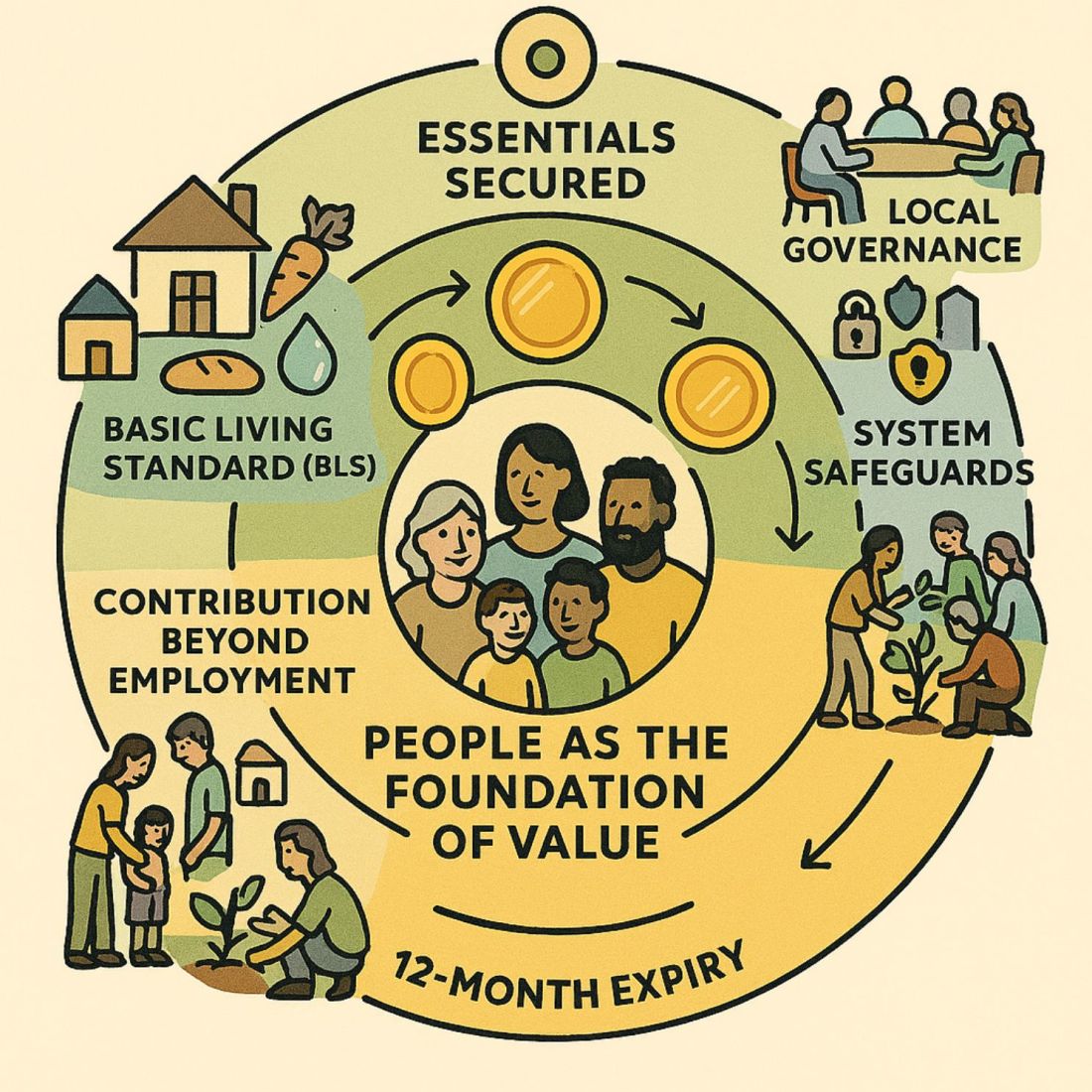
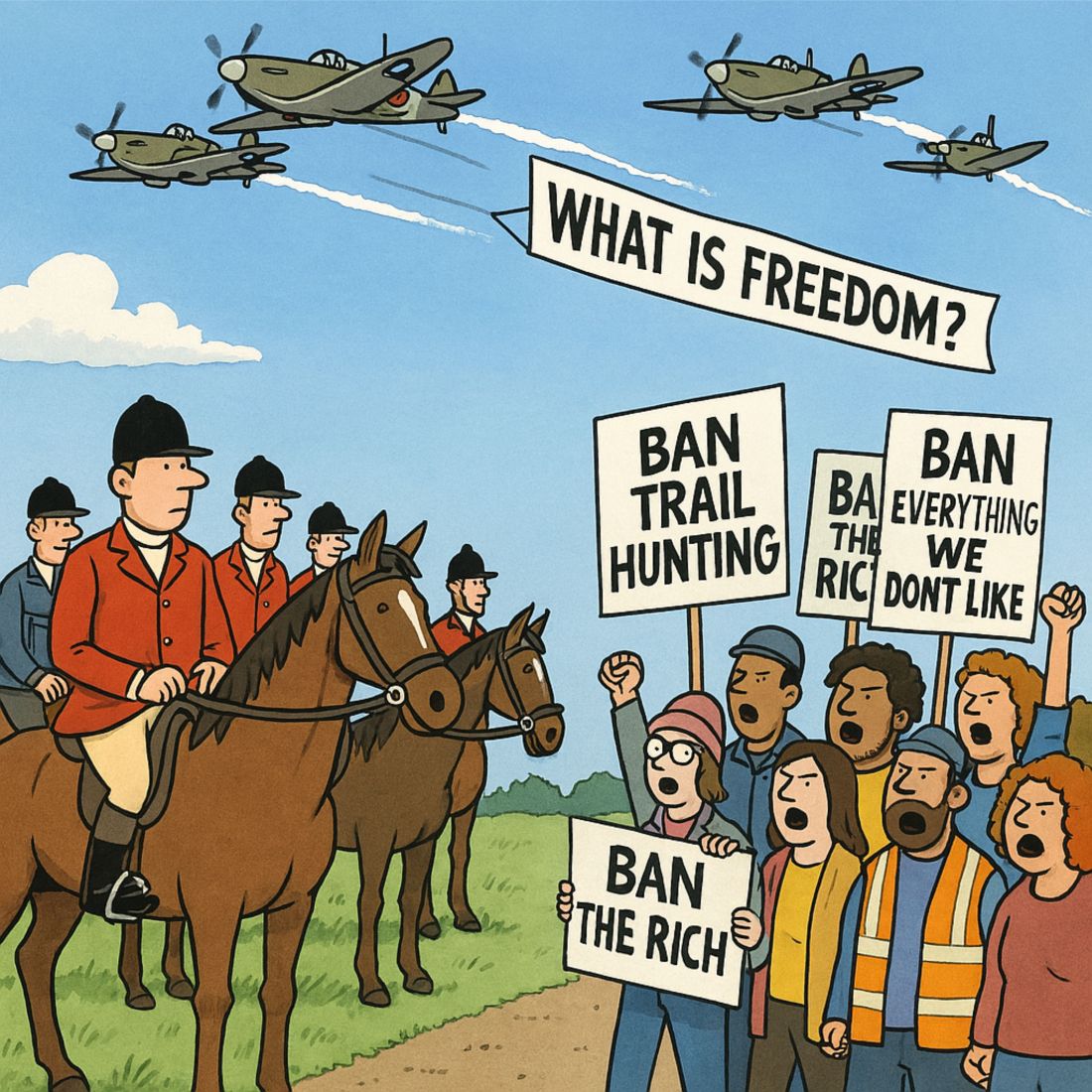


 Adam Tugwell