Thanks for following if you are a subscriber to my Blog and a very big welcome if you are a guest and have found me as you have been having a look on the net.
I’ve been writing blogs and publishing books for around 12 years now, since I was still sitting as a local councillor in Gloucestershire and started off writing about some of the issues that were important for my constituents near Tewkesbury. You can find these on their own Blog HERE.
As technology has moved on, anyone who writes regularly will have become increasingly aware that beyond the people who are already attuned and looking for whatever it may be that we have to offer, our potential audience is increasingly likely to prefer watching a video that shares our messages, rather than reading through our missives, no matter if it were easy for them to be found.
About 2 years ago, I picked up a DJI Mini camera to see if I could make the transition or rather expand my online offering to YouTube and video platforms beyond.
To be honest, it didn’t feel that easy and although I published a few films on another channel, it just seemed easier to keep writing – especially as my focus seemed to be driven by creating and publishing what has now become a long list of books.
Reaching the point where it felt like I have covered all the things that I didn’t originally realise that I had set out to say, I recently found myself going back and beginning to review my books.
Now any of you who self-publish and don’t have the luxury of editorial help or that second pair of eyes when you first publish will understand what a traumatic experience this can actually be! I am however comforted by the reality that anyone who is genuinely interested in the content will not be looking at grammar and long sentences – no matter how unforgiving the general inhabitants of the online universe can be!
Going through this process made me appreciate that the books are all well and good and once people want to understand the topics better – as I remain confident that in time they will, it might be time to dig out that rather cool DJI and see what a refocus of my creative and publishing efforts might make of it all now.
About a fortnight ago, I set up @TugsRamblings as a new YouTube channel and quickly got to work.
The idea being that as a rule, I will film a talk as I walk or ‘ramble’ in potentially more ways than one, and that the film will hopefully come across as if the viewer is walking alongside.
Not the easiest thing to imagine for me, when the best angle from the camera is looking down and I am 6’5”!!!
All the same grumbles quickly came back to the surface, ranging from ‘I ummmm too much’, to ‘What the hell do I do if people keep appearing and I have to stop and can’t edit the film?’ and of course, ‘Will I be able to remember all the things that I need to say?’
As I write this blog to share what I have been doing so far, I’ve just uploaded video number 14 and am hopeful that they are improving all the time.
The good thing about all of this is that video creation is a learning experience at every step of the way. I’ve already learned a lot more than I knew two weeks ago and I feel sure that my knowledge can only improve!
Please drop by and take a look. Your support with likes and subscribes would be greatly appreciated, as would any questions you might have where answers could help you or might help others in respect of the topics and issues that I generally cover.
Best wishes,
Adam ‘Tugs’ Tugwell
PS. Please find a link to my first video on @TugsRamblings below!
There’s no such thing as a free lunch. So, when it comes to giving away money, anyone who thinks that a Universal Basic Income is going to help anyone and in particular our farmers, either has an agenda they aren’t sharing, or they don’t have any real understanding of the true cost of making UBI work.
UBI is certainly well intended. A lot of research and thinking has gone into the trials and projects where a localised equivalent of a guaranteed basic income has been tried.
The problem is UBI is a solution that uses the creation or printing of money to enable it to work.
Money creation or printing is an essential part of the FIAT monetary system that we have today. The same system that is the root cause of all the money related and inflationary problems that we and our farmers are facing.
It is ironic that giving cash handouts to farmers would only build upon the culture of dependency that now exists, where the conditioned over reliance on subsidies and guaranteed contracts have made farmers vulnerable to the greed underpinning big money and profiteering retailers. Corporate interests that are not only taking all the profit that would be available from the food chain if it were accurately priced, but they are also using their market positions to inflate prices even further so that they can continue to take even more, without giving a damn about the impact and consequences for us all.
Minded that every one of us needs food every day in pretty much the same way that we need water and the air that we breathe, it defies sense or logic that British Farmers should be in a situation where they cannot have a secure, financially sound and fair-income-paying business, in return for providing a service which really should be considered a public good.
That farmers cannot survive and there are now organisations suggesting that UBI is the answer makes very clear that the working model or operational platform for British Agriculture is broken.
This reality is all the more alarming given the fact that in a time of growing world crisis, we only grow the equivalent of around 52% of our own food in the U.K.
Regrettably, the farming problem isn’t one that good politicians would be able to fix in isolation. Because the issues farmers are facing are interconnected with many other areas of public policy that are breaking down today. All for no bigger reason than we have now had decades of politicians and the political parties they represent that have become increasingly poor.
If good politicians were representing us all as they should be today, the focus on farming would be to use legislation to immediately end the profiteering, price manipulation and speculation taking place that keeps taking money from the food chain without adding any form of value.
The next step would likely be to provide financial support and other legislation to help farmers transform food production and the pathway to retail to a system which is a contemporary version of what we had historically, where food was produced and consumed locally and in much more original, unprocessed and therefore healthier forms.
However, we don’t have good politicians and when the eagerly anticipated General Election comes, we will not have the option of good politicians to choose from even then.
This leaves farmers with a very difficult choice. To remain at the mercy of poor politicians who say lots but do very little. Or step back from conformity with the current broken system, take the risk of funding change themselves and then taking the lead and working closely with consumers who are the other key stakeholders in the food chain, so that food security, healthy nutritious food, and viable food producing businesses supplying every one of our local communities are brought back.
There is nothing in life that everyone shares the same need for, whilst having such individual, specific or idiosyncratic approaches to, as food and what we eat.
Minded that to be healthy, we should all have access to at least 2 nutritious meals per day, it is amazing that so many of us think so little about the food that we eat. Where it comes from. What it consists of. And whether the food we are eating is actually benefiting or harming us, despite the fact that eating continues to be a socially shared activity, and what we put in our mouths is just as important as the air that we breathe.
The lack of interest or ‘taking food for granted’ of those who aren’t really thinking about the food that they eat, regrettably makes the issues that surround food and how it can be used to further the interests of those who are aware of that disconnect, very easy to exploit.
In times like those we are experiencing and with the very uncertain future that we currently have, this means we are quite literally in a situation where food cannot only be used to control us. Food can also be used as a way to hurt us both physically and emotionally, whilst Food Security and access to the supply of food is and can continue to become less safe, as it is progressively taken away from us as consumers and from the people who grow and produce it.
Food Complacency
On the face of it, too many of us are happy to accept the idea that if we have eaten and therefore, we are not hungry, it doesn’t matter what we actually eat.
Take that one step forward again. Many have an increasingly restricted choice about what they eat, because the priority of what they eat isn’t based on a decision between what might be on offer. It is based solely upon what the person or family can afford.
Whilst there are many who would happily debate the questions of whether food is a fundamental right or whether food is a public good, the fact is that we are only in a position where we can even have such a debate or that it is possible for these questions to exist, because there are other cultural, legal, ethical and many other manmade ‘rights’ that place some of us in a position where we can control what anyone or indeed any living thing on the planet can have access to.
Meanwhile, the questions that we should be asking but are not is whether it is right and proper within any part of Food Production and the supply chains around food, that any parts of it can or should be privately owned, and where they are, what those interests should allow them to do to food and how we access it.
The absence of ethics in profit-driven Food Production and Supply
Food is a basic requirement for life that we all share. Yet the processes, issues of ownership and what food can be used to achieve for anyone with the power to do so, have now become all that food is really about.
The entire food supply now revolves a global system that quickly moved way beyond improved methods for feeding larger numbers of people and became all about the money that can be made by those who are in control instead.
The creation of large food chains, where so little can be seen has meant that the real truths that have increasingly underpinned all parts of food production for so long can easily be hidden.
When so much of the food chain processes has been hidden and maximised for the profit that it can provide to vested interests, the next step for those who are driven by greed is to then manipulate and change the content of food so that every bit of profit that it contains from every ingredient that can be added, can then be exploited and profited from just the same.
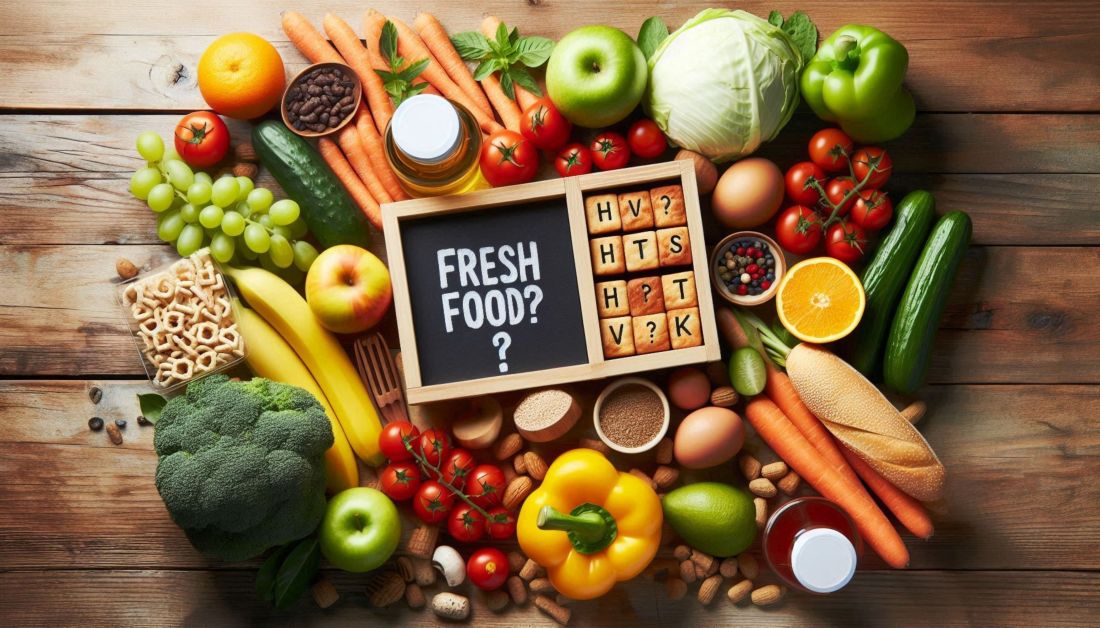
Food in its most basic or natural forms is the healthiest for all of us that it is possible for it to be
Whilst basic processes such as milling, pasteurisation, cheesemaking, baking, hanging, smoking and all those things that are ancestors have been doing to store, preserve and create meals from basic, natural ingredients have done for centuries, it stands to reason that adding anything to food that isn’t readily available to us in some natural or hand-processed way, isn’t going to help anyone who eats it, because our digestion is designed to work naturally with foods that we eat in natural forms.
It’s an equation that doesn’t require us to understand science for us to make sense of. Because it really is common sense that we all eat food in its most basic or unadulterated forms.
The Taste Trap
Before reaching any conclusions, it’s also important to understand the role that sugar and salt, and more recently, anything that appears to improve the taste or feeling that we have from eating food that contains it has had, and the genuine take-away that we should be having from it.
It is thought that sugar was first recognised for its sweet properties around 8000 years ago. However, sugar didn’t come to Western attention until the time of The Crusades in the 11th century, and even then was a luxury until at least the 16th century when the first industrialised sugar processing began.
Although it ultimately comes from natural source, Sugar must be processed to be used in the way that we use it as a food ingredient and in the refined forms that we add it to drinks like coffee and tea.
Sugar in its modified or rather in its changed form is highly addictive. And if you understand the role that excess sugar plays in health-related conditions such as diabetes and obesity, it is also much easier to see the relationship that exists between eating any kind of food or ingredient that doesn’t resemble its original or natural form, and the impact that it can have on the human body.
The body is effectively tricked by unnatural ingredients and responds in what often end up being very destructive ways when those harmful ingredients are consumed regularly or in quantities that are simply too much for the very clever system that our bodies have to deal with.
In these modified forms, these artificial ingredients are no better than being a poison that becomes more and more dangerous in its cumulative forms.
In respect of the ingredients that are added to foods to enhance the taste and hide many other ingredients within processed foods and the UPFs that we wouldn’t otherwise consider eating, the line in the Savage Garden hit song ‘Affirmation’ – “junk food tastes so good, because it’s bad for you” is absolutely correct.
We are being conned into eating foods that we shouldn’t, so that those who make and sell them can continue to make a profit – with the true cost always being at the expense of our own health and wellbeing.
Whether we like it or not; whether we believe we have a choice of what we eat or not, as a nation, the UK is addicted to foods that are actually harming and, in some respects, killing us.
The people who are pushing us in this direction and want us to become even more reliant on manufactured food, rather than the fresh food that can only come from a local garden, field or farm, are very happy to exploit that addiction so that they can keep benefitting. Whilst the whole process is doing each of us and the whole of the UK more and more harm.
The Ethics of Food are about Taste all the same
The odd thing about taste is that it manifests as both a physical sensation and also in the way that we think. That’s how addictions generally work, after all.
So, when anyone becomes obsessed by a particular way of eating, because of the way that they think, the rules of addiction – and the need to force others to join us in that same addiction so that they can share that particular form of guilt, inevitably also play out, no matter how clever or compelling their arguments might be.
When people are at peace with their eating habits or indeed anything else that defines them as the person or the individual that they are, they will not experience any need to force their own approach into the lives of anyone else, no matter what the habits of those other people are, or indeed, what it might be that they eat.
It really shouldn’t matter what anyone else eats. The only thing that we should all be concerned with is that each and every one of us has access to natural, healthy and fresh food in an adequate quantity from which we can then exercise any health-related, ethical or other form of choice that doesn’t impact upon the choices of anyone else.
The Food Hangover is just one way we know that the food we eat isn’t good for us
Whilst few who drink alcohol would relate their drinking habits to being an addiction at any level, it is unlikely that anyone who has ever had more than a few sips and done so on a regular basis, hasn’t had a hangover at some point afterwards. Before they find themselves back in a place where they feel physically the same as they did previously.
Headaches, sickness, insomnia, feeling ‘groggy or lethargic’ or generally not feeling anything like ourselves, are typical post-alcohol reactions that we class as hangovers – because we have been drinking ethanol, which is a poison.
When we have been eating foods that are processed and are filled with many additives and manufactured ingredients, the results for any of us taking note, can be similar if not exactly the same.
Food that is natural or in forms that we can recognise in their original form when we eat them very rarely make us feel unwell. Unless we eat too much of them, or they haven’t been prepared in a way that removes any bacteria or anything else that can harm our bodies in some way.
The direction of UK Farming and Food Production is all about a greed-driven reliance upon manufactured food
It is at this point that it is time to recognise just how important the problem that UK Farmers are facing really is, for us all.
There isn’t some great conspiracy at work in the way that conspiracy theorists are increasingly presenting it.
However, there are people who for one reason or another have gained significant power and responsibility over the lives of others. They see it as being imperative that the whole world is changed so that everyone behaves in ways that they have decided that the world can sustain, which at the same time will coincidentally ensure that those same elites can continue making obscene profits, being quite literally ‘baked in’.
Everyone making money out of the masses eating manipulated ingredients that will cause increasing levels of health problems and in all probability lead to early deaths, isn’t worried about the nutritional value of the food that people eat.
The most important thing to all of them is ensuring that the masses can never make the argument that they are going hungry. In that way, no matter how bad the food may be for anyone, if its tasty and available, the elites will always remain in control.
Today, UK Farmers still have choices over what they grow and how they grow it. Even though many are tied into contracts that are ultimately controlled by a very small number of companies who control the food supply and whose longer-term profit-making interests will benefit if independent Farmers go out of business, so that they can control even more of the food supply.
Those with roles that are there to help, don’t help anyone at all
The useful idiots that we now have in government and running policy and services across the public sector don’t help matters at all.
Whilst very few can accept this truth at first glance, the reality is that decades of farm and food production related subsidies have only served to move more and more of the power that our Farmers and Food Producers once had towards the big companies that incentivise and control politicians.
Meanwhile, Agriculture has become more and more dependent upon the political lead. Whilst local infrastructure and everything that supports local and independent food production has been progressively destroyed, either legislatively or in direct physical form.
If we can accept this – and that’s by no means an easy thing to do, we can also then accept that UK Farming and Food Production needs to go in the completely opposite direction, embracing much more traditional methods of food production and returning Farms, Farming and Food Production so that they are providing everyone with the basic, natural, healthy, nutritious and fresh forms of foods that we all actually need.
For us all to have and benefit from this, means that Agriculture and growing food must be right at the heart of our communities once more.
Mindful eating
The battle to save natural food production in the UK (and in other areas of the world too), only exists today, because so many of us take for granted the lives that we have and the continued access to food and everything else that makes life seem so easy. All without being conscious of the real cost to us, or without recognising that we do have a choice.
Greedy profiteering companies only produce foods that can harm us on the scale that they do so, because we keep on buying and eating them, without ever giving any thought to anything that these companies and the people behind them are doing.
If we all began looking at the ingredients of foods and take note of where the food or where the ingredients actually come from, we would very quickly see the difference between ‘natural’ food that we can recognise because it usually resembles its original form, and everything else which doesn’t look like or resemble anything that we could recognise in nature.
This is a very quick and effective way of being able to tell if eating or drinking anything, is likely to end up harming us in some way.
Changing the way we eat is how we keep our freedom to be who we are
The harsh truth that we all need to face:
The control of food is power and the power behind food is a way that those dependent on someone else’s food supply be controlled.
Whilst the UK Farming and Food Producing communities now have a massive fight on their hands to regain control of their own destiny – not least of all within that community, the fact remains that we can all help change the direction of UK (and World) Food Production by changing the way that we approach the food that we eat.
By doing so, we will ultimately help ourselves.
The smallest steps are the biggest when it comes to change of this kind. And if we all start to do what we can to reject processed foods and UPFs wherever and in any way that we find them or that they come into our lives, the impact that we can collectively have upon the food chain and the way that food is produced would become meaningful in no time at all.
Changing the eating habits that we have is not easy for anyone. Not least of all, because our habits are the truth we have chosen to believe.
However, the truths that we believe about food today are not truths that we can call or should be prepared to accept as our own.
Good, healthy, nutritious, locally produced fresh food IS a public good and we all deserve to be able to access enough of it every day and at prices that we can all easily afford.
We can only make this possible if each and every one of us exercises what still remains of our freedom of choice to change the world for the better, one choice at a time.
The pernicious irony of all this is that the people who have created or played key roles in the creation of the cost-of-living crisis are the same people who are setting the terms and requirements of credit and loans.
As a society that overtly prides itself on fair play (or historically has done so), we recognise that balance and fairness is not normally achieved when the beneficiaries of a system are also the managers of that system, and the rules have been developed so that it appears to be legitimate for them to ‘self-police’.
When we have reached the point where money is the only thing that is important, it naturally follows that whoever controls money, the rules that govern money and the supply of money itself, will be the person or the people who are ultimately in charge of EVERYTHING – right down to what we do, think and say.
Because we revere money and wealth in the ways that we do today, the very democratic system that we believe to be in place to serve our best interests, doesn’t really exist.
Contrary to conspiracists talk and views, there is not some hidden world power that lies at the heart of everything and all public policy decision making, with someone sat in a bunker on a mountainside pulling every world leader’s strings.
Yes, a simple look at the way money rules everything, does make it seem logical that such a power exists. But the real power and influence that now lies in the hands of others who have or control money, and therefore have control over us all comes down to the way that we ALL think about money.
It is the way we think about money that surrenders our own power and control over life and everything else.



 Adam Tugwell